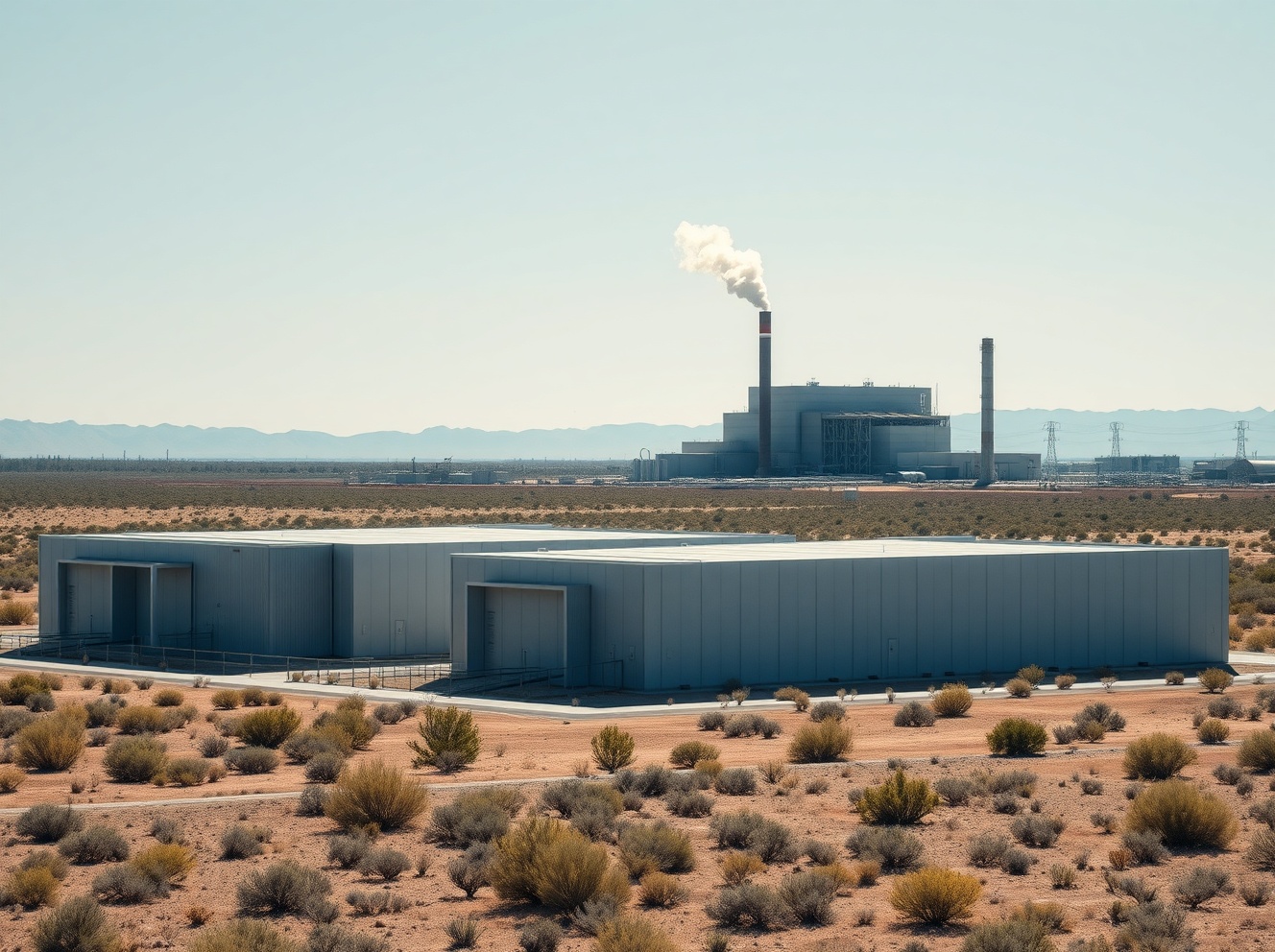
The Unprecedented Scale of Amazon's Texas Project
Amazon is moving forward with plans for a massive data center in Pecos County, Texas, which includes the construction of an on-site natural gas power plant. This plant is permitted to release an astonishing 33 million tons of carbon dioxide into the atmosphere each year, a figure that would make it the largest single source of climate pollution in the entire United States, surpassing even the nation's biggest coal power plant. The sheer scale of this proposed facility highlights the immense energy demands of modern data centers, particularly those supporting artificial intelligence operations.
The new gas-burning plant is designed to provide reliable, on-site power for Amazon's data center, a strategy increasingly adopted by tech giants to avoid potential delays in connecting to existing electrical grids. While Amazon asserts this approach will not increase electricity costs for Texas families, the environmental implications are substantial. The project has already seen land clearing commence, with Amazon filing three construction permits for data center buildings.
Contradictions with Amazon's Climate Pledge
This ambitious data center project stands in stark contrast to Amazon's public commitment to achieve net-zero carbon emissions by 2040, a pledge the company co-founded. In 2025, Amazon's absolute carbon emissions rose by 16%, reaching 80.9 million metric tons of carbon dioxide equivalent, an amount greater than the entire country of New Zealand's reported output in 2024. A significant portion of this increase, including a 34% jump in purchased electricity emissions, is attributed to the growing energy demands of AI infrastructure.
Despite these rising emissions, an Amazon spokesperson stated that while "the world looks different now than when we co-founded the climate pledge," their "commitment hasn't changed." However, critics argue that investing in a fossil-fuel-powered plant of this magnitude moves the company further away from its sustainability goals. This tension between rapid growth in AI and environmental responsibility presents a significant challenge for the tech industry.
The Broader Environmental Impact of Data Centers
The environmental concerns surrounding Amazon's Texas data center are not isolated. Data centers, in general, consume vast amounts of resources, including immense quantities of energy and water. Beyond the direct emissions from power generation, these facilities also rely on backup diesel generators that can pump hundreds of tons of pollutants into surrounding communities. For instance, Amazon holds permits in Northern Virginia allowing its backup generators to emit 4,400 tons of nitrogen oxides (NOx) annually, comparable to a four-decade-old coal plant.
The rapid expansion of AI is driving a dramatic worldwide increase in natural gas-fired power generation, with planned gas-fired capacity in the U.S. tripling in 2025 alone. This trend jeopardizes climate targets and undermines efforts to limit global warming. While Amazon states it has 10 gigawatts of carbon-free energy across 40 projects for its existing Texas data centers and plans to use brackish groundwater for the new facility, public opposition to data centers is growing across the country due to concerns about pollution, increased utility rates, and limited local economic benefits.