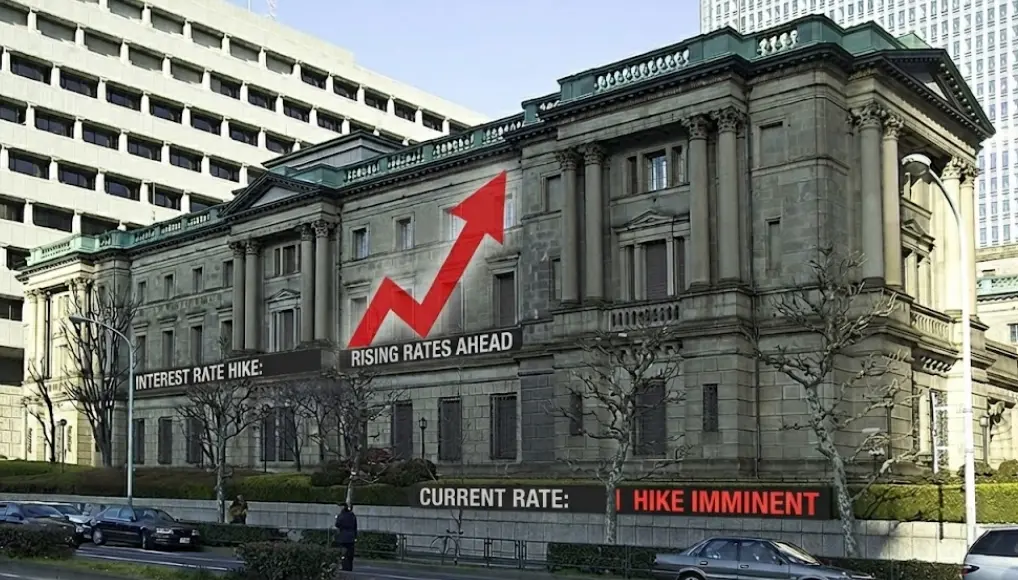
A Strategic Shift in Japan’s Monetary Policy
As of 03:13 PM WIB on Tuesday, December 09, 2025, the Bank of Japan (BOJ) is making headlines with a significant policy announcement. Governor Kazuo Ueda has pledged to increase purchases of Japanese Government Bonds (JGBs) in response to sudden fluctuations in long-term interest rates. This move comes as Japan’s 10-year JGB yield surged to 1.917%, the highest in 30 years, fueled by market speculation of an impending rate hike to 0.75% at the BOJ’s December 18–19 meeting.
This intervention mirrors the BOJ’s historical reliance on quantitative easing, signaling a cautious yet proactive approach to balance market stability with its gradual exit from ultra-loose monetary policy.
Context Behind the Decision
The decision follows a period of economic recalibration for Japan. After ending a decade-long stimulus program last year and raising rates to 0.5% in January 2025, the BOJ has held steady through three consecutive meetings. However, persistent inflation—exacerbated by a weak yen and rising import costs—has intensified pressure for further normalization. BOJ board member Junko Koeda recently emphasized the need to adjust monetary accommodation based on economic data, a stance echoed by Ueda’s latest comments.
Recent web reports highlight additional context:
- Nikkei Asia (June 17, 2025) noted the BOJ’s decision to slow JGB purchase tapering, prioritizing market stability.
- TradingEconomics (December 08, 2025) reported the 10-year JGB yield climbing to 1.97%, reflecting market anticipation of a rate hike.
- CNBC (December 04, 2025) warned of a policy dilemma as rising yields and global carry trade dynamics challenge Japan’s financial outlook.
Market Reactions and Global Implications
The yen experienced a temporary strengthening post-announcement but has since stabilized, reflecting investor uncertainty. Globally, the narrowing Japan-U.S. yield gap is reducing the allure of yen-funded carry trades, a trend that could reshape international investment flows. Analysts from HSBC and Kotak Securities suggest that increased JGB purchases might weaken the yen further if paired with a return to yield curve control (YCC), potentially fueling imported inflation.
Prime Minister Sanae Takaichi’s government appears aligned with the BOJ, with Finance Minister Satsuki Katayama affirming no divergence in economic assessments. However, expansive fiscal plans could complicate the central bank’s efforts to manage yields and inflation.
What’s Next for the BOJ?
Ueda’s pledge underscores the BOJ’s readiness to intervene as it navigates the delicate transition from decades of low-rate policy. The upcoming December meeting will be pivotal, with markets pricing in 1–2 additional rate hikes in 2026. For now, the focus remains on stabilizing long-term rates while monitoring global and domestic economic indicators.