
Major online retailers have initiated widespread price cuts on Apple's most accessible tablet, dropping the entry-level 11-inch iPad to $399.99. The move, tracked across platforms including Amazon and Target, slashes roughly $50 off the standard $449 sticker price for the 128GB Wi-Fi configuration. The timing offers immediate relief for consumers shopping during late back-to-school promotions and heading into fall sales events[4] [5].
The discount arrives at a critical juncture for personal tech hardware. After corporate pricing shifts drove the baseline cost of iPads higher earlier this summer, market analysts and retail trackers noted a cooling effect among price-sensitive buyers. By pushing the base 11-inch slate below the psychologically significant $400 threshold, retailers are testing whether modest price concessions can jumpstart high-volume consumer demand before holiday inventory fills warehouses[7].
Retailers Soften the Sting of Summer Price Hikes
According to retail tracking reports published by Tom's Guide, Apple raised tablet prices across the board earlier in 2026, implementing increases of $100 to $200 on various configurations and bumping the standard entry-level baseline to $449. That sudden uptick disrupted the long-standing value proposition of the entry slate, which had previously hovered around lower price points during seasonal discount cycles.
As Mashable reported when logging the current price action, the 11 percent price cut brings the entry unit back down to accessible territory. Similar markdowns have rippled out across merchant storefronts. AppleInsider observed parallel inventory movements where retail outlets lowered prices across the broader ecosystem, including modest trims on the iPad Air and iPad mini, but singled out the entry-level configuration as the centerpiece deal for mass-market users[8].
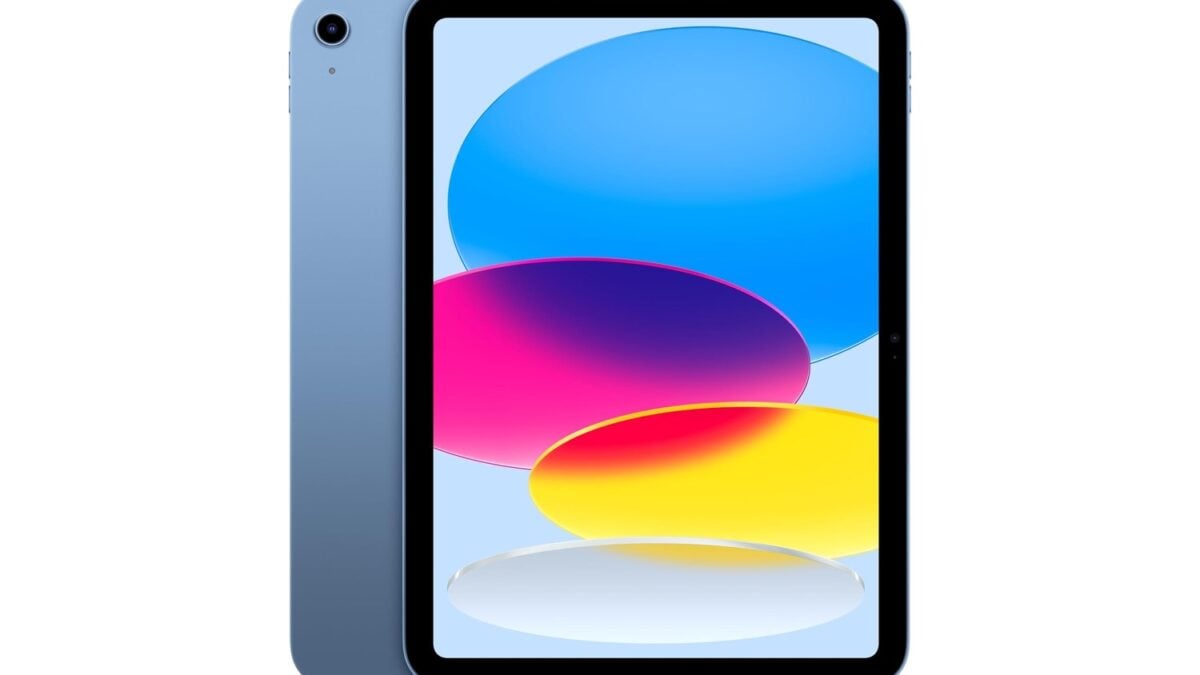
The iPad A16 is the most affordable model in its lineup. In addition to a stunning 11-inch Liquid Retina display, it features Wi-Fi 6, a 12-megapixel camera and an impressive 10-hour battery life.
CNET
The $399 pricing is not confined to one merchant. Listing audits show Target matching Amazon on base Wi-Fi units, while big-box competitors like Best Buy have refreshed inventory clearances to capture residual shoppers. While the price has dropped lower in past holiday flash sales, reviewers at Tom's Guide noted that post-price increase, this cut represents the most aggressive markdown available from major suppliers.
Hardware Value in the Modern iPad Lineup
Under the chassis, the discounted baseline unit pairs an A16 Bionic processor with 128GB of base storage, doubling the internal capacity seen in earlier generations. The display provides a 2360 by 1640 resolution at 264 pixels per inch, achieving up to 500 nits of brightness alongside Apple's ambient True Tone color adjustment. Physical security and navigation rely on Touch ID embedded directly into the top edge button, while charging and data transfer run over standard USB-C[7].
An overview of the current consumer iPad landscape illustrates how the price drop positions the tablet within the wider hardware spectrum:
| Device Model | Processor | Base Storage | Retail Price | Sale Price |
|---|---|---|---|---|
| iPad (11th Gen) | A16 Bionic | 128GB | $449 | $399 |
| iPad mini (7th Gen) | A17 Pro | 128GB | $599 | $569 |
| iPad Air (11-inch) | M4 | 128GB | $749 | $649 |
| iPad Pro (11-inch) | M5 | 256GB | $1,199 | $1,139 |
The pricing spread highlights the distinct gap between mass-market hardware and specialized creative workhorses. For users primarily focused on schoolwork, video calls, document management, and streaming media, the performance headroom of Apple's in-house silicon maintains fluid app operation without demanding premium investment.

The Counterpoint: Missing the Apple Intelligence Wave
Despite the appealing entry tag, technology analysts emphasize a substantial limitation inherent to the cheaper architecture: the absence of Apple Intelligence. Apple has restricted its deep platform-level generative AI features to silicon sporting desktop-class performance, specifically M-series chips and the A17 Pro or newer architectures. As ZDNET observed in its seasonal hardware buyer guides, shoppers prioritizing emerging software automation and on-device machine learning tools will find themselves locked out if they opt for the base model[6].
Hardware purists also point out physical compromises that preserve the price floor. Unlike the laminated displays on the Air and Pro families, the base screen retains a small air gap between the outer glass panel and the underlying display element. As hardware comparisons highlight, this air separation produces a slight hollow sensation when using a digital stylus, which can detract from precision sketching or rapid note-taking. Furthermore, refresh rates remain locked at 60Hz, leaving smoother 120Hz ProMotion viewing exclusively in higher tiers.
Who Should Buy and What to Expect Next
Industry watchers suggest that consumer behavior around this price drop will dictate retail strategy into the final quarter. With consumer electronics spending facing broader macroeconomic hesitation, the entry slate acts as an essential gateway to Apple's digital subscriptions, iCloud infrastructure, and App Store revenue streams.
For parents, students, and everyday tablet users, the $399 price point offers a dependable tablet experience without stretching into luxury pricing. Whether secondary retailers will push discounts even deeper during holiday promotional events remains uncertain, but for buyers needing functional hardware today, the current cut eliminates the sting of recent manufacturer price increases[7].
Video