An international aviation crisis erupted over the Arabian Peninsula after a co-pilot aboard a Boeing 737 MAX 8 attacked the captain mid-flight, sending the Tel Aviv-bound passenger jet into a violent dive. The commercial flight, carrying roughly 180 passengers and crew, averted catastrophic disaster only after the wounded captain unlocked the cockpit door, allowing travelers and off-duty crew members to storm the flight deck, overpower the assailant, and regain control of the aircraft[1] [2].
As security agencies across the Middle East piece together the harrowing September 30 ordeal, startling intelligence findings have emerged. The Associated Press reported that the first officer had previously been barred from flying by authorities in his native Oman over suspected extremism. The revelation that a pilot flagged for ideological radicalization managed to secure a flight deck role on an airline operating sensitive regional routes has exposed alarming vulnerabilities in vetting, background checks, and cross-border intelligence sharing.
Terror at 34,000 Feet
Flydubai Flight FZ1073 took off from Dubai International Airport on Wednesday morning bound for Ben Gurion Airport in Tel Aviv. Approximately two hours into the flight, near the border of Saudi Arabia and Jordan, an unexpected struggle broke out in the cockpit. Witnesses said heavy banging echoed from behind the armored flight deck door before the aircraft suddenly pitched into a steep descent.
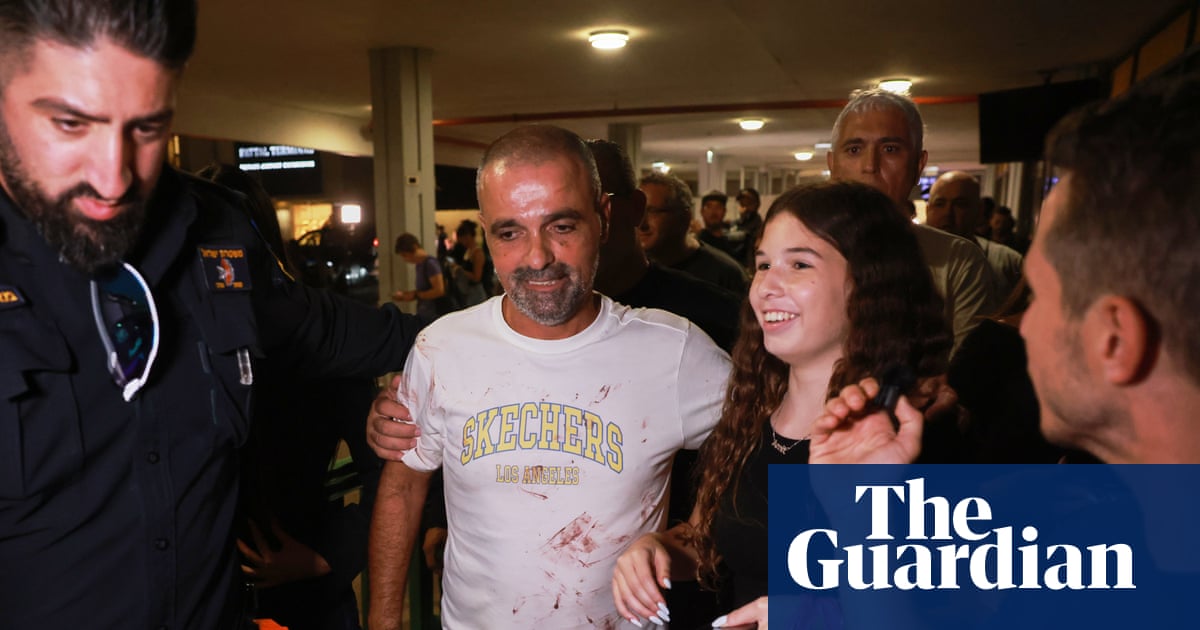
Flight-tracking data corroborated the rapid plunge, showing the aircraft dropped roughly 17,000 feet in under two minutes. In an interview with Israel's Channel 12, passenger Tali Manes described alerting flight attendants before the badly wounded captain, an Indian national named Smit Machchhar, managed to release the cockpit door lock while defending himself from repeated stab wounds[9].
Inside the cockpit, blood was splattered across the bulkheads, and the attacker was attempting to sabotage flight instruments rather than sit at the controls. Multiple passengers rushed forward to tackle the co-pilot. Among them, passenger Yaniv Hayun later recounted to Israeli media and CBS News that he pulled back on the flight yoke, drawing on recollections from aviation crash documentaries to pull the plane out of its freefall. Two off-duty pilots traveling as passengers assisted in leveling the plane, which had reached speeds so extreme that sections of the aircraft rudder suffered severe damage[3] [7].

The Oman Pilot Ban and Radicalization Clues
Following an emergency landing at Prince Sultan bin Abdulaziz Airport in Tabuk, Saudi Arabia, the suspect was taken into custody. U.S. media outlets, citing law enforcement sources, identified the 29-year-old Omani first officer as Hamam al-Hammani.
Sources familiar with the investigation told CBS News and ABC News that al-Hammani had previously been identified as a security risk by Oman Air as early as 2024. Government surveillance in Oman reportedly caught the pilot accessing extremist websites, which prompted the national carrier to ground him from flight status and assign him to administrative desk duty. He eventually resigned, moved to the United Arab Emirates, and secured employment with Flydubai[13].
The core systemic failure under review is whether Omani security agencies ever transmitted their extremist watchlist alerts to Emirati civil aviation regulators or airline vetting teams. Sources confirmed to reporters that Flydubai hired the pilot without receiving background red flags from the Omani government. Furthermore, Israeli Prime Minister Benjamin Netanyahu claimed the co-pilot had recently undergone radical Islamist indoctrination and posted extremist rhetoric online expressing intent to kill Jews.
It is important that we allow this process to establish the facts.
Ghaith Al Ghaith, Chief Executive Officer, Flydubai
Regional Security Ramifications
The mid-air attack has immediate geopolitical and aviation fallout across the region, where diplomatic relations remain delicate. Investigators in Saudi Arabia, the UAE, Israel, and the United States are currently participating in coordinated forensic probes. Saudi officials subsequently transferred the detained suspect into the custody of the United Arab Emirates for prosecution and counterterrorism debriefing[17].
Airlines and security regulators are reviewing two primary procedural breakdowns highlighted by the incident:
- Vetting Disconnects: Internal pilot blacklists maintained in one Gulf state did not trigger disqualification in neighboring jurisdictions, allowing a flagged individual access to commercial cockpits.
- Destination Nationality Protocols: Israeli aviation guidelines strictly limit aircrews from countries lacking diplomatic relations with Israel from landing at Ben Gurion Airport, a rule that was apparently bypassed when assigning an Omani national to the Tel Aviv schedule.
In response to the near-catastrophe, Flydubai temporarily suspended all scheduled passenger services to Israel while flight deck security protocols are reassessed[5].

Cockpit Fortress Paradox
The Flight 1073 incident has brought renewed scrutiny to global cockpit defense architectures implemented worldwide after the September 11 terrorist attacks. Hardened cockpit doors with complex electronic access codes were designed to seal off the flight deck from bad actors in the passenger cabin. In this instance, that very fortress mechanism nearly sealed the fate of all 180 people aboard.
Aviation security analysts point out that had Captain Machchhar succumbed to his injuries before unlocking the flight deck door, passengers and reserve crew would have remained locked out while the plane plunged toward the ground. While Flydubai stated that internal investigations are underway and cautioned against speculative conclusions, the harrowing flight has demonstrated that post-9/11 safety designs remain deeply vulnerable when the pilot in command becomes the threat[18].