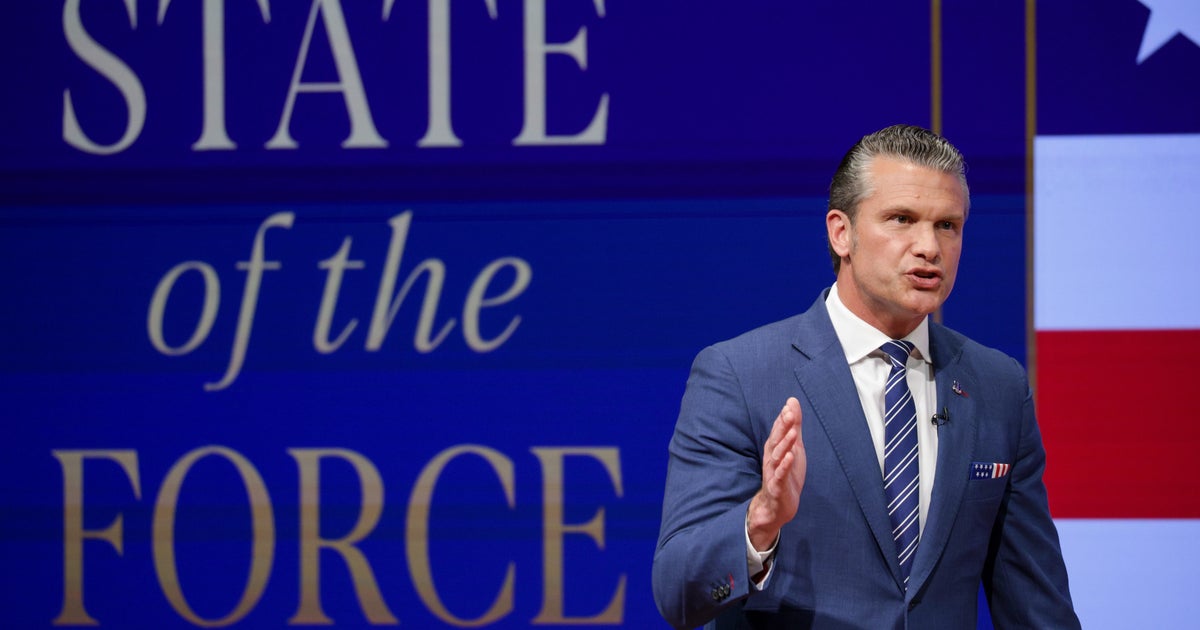
Speaking before an auditorium of junior officers and enlisted personnel at Marine Corps Base Quantico in Virginia, Defense Secretary Pete Hegseth confirmed that the Pentagon is slashing the ranks of American generals and admirals by 20 percent. Hegseth portrayed the downsizing as a necessary strike against institutional bloat and political ideology, delivering a combative speech that doubled down on his drive to reshape military culture under the second Trump administration[3].
The aggressive personnel retrenchment doubles a previous 10 percent target set last year, pairing structural billet eliminations with the outright firing of senior commanders whom Hegseth accused of resisting civilian authority or clinging to diversity initiatives. Fox News first reported the planned cuts ahead of the address, and defense officials confirmed that the armed services have been instructed to finalize the command restructuring by the beginning of 2027.
Accountability or Purge: The Arithmetic of the Drawdown
The Defense Department currently maintains approximately 850 active-duty flag and general officers across the Army, Navy, Air Force, Marine Corps, and Space Force. Under Hegseth's newly announced mandate, that total will contract sharply through a combination of accelerated dismissals, early retirements, and the downgrading or dissolution of commands[6].
The number crunchers say we fired 10% of the generals and admirals across the force, and that number sounds about right. And I know because I directed it that we have also reduced the overall number of general officer slots by an additional 10%. So yes, 20% reduction across the board. Now the media calls that a purge. I call it accountability, and long overdue.
Pete Hegseth, U.S. Secretary of Defense
Hegseth told the assembled troops that top officers who failed to embrace the administration's vision no longer had a place in the armed services. The Washington Times reported that Hegseth approved the directives in a mid-September memo addressed to service leaders. The announcement cements an upheaval that has seen high-ranking uniformed leaders dismissed, including officers serving on the Joint Chiefs of Staff appointed under the previous administration.
Culture War Rhetoric and Institutional Overhaul
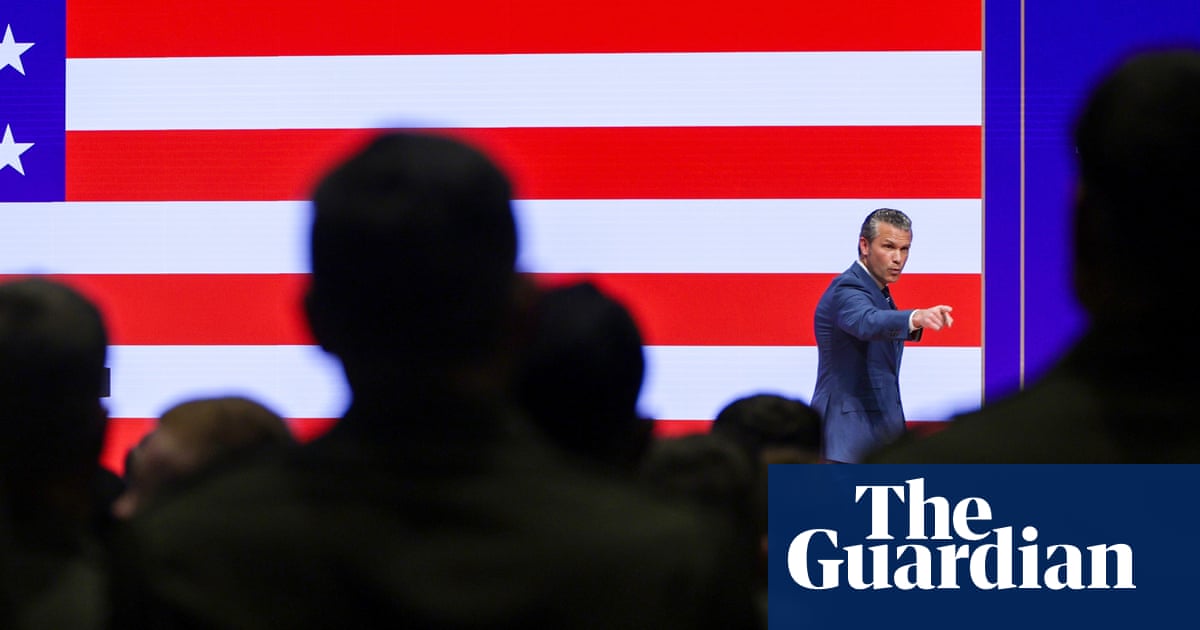
Rather than framing the restructuring as a standard bureaucratic trim, Hegseth explicitly paired the command drawdown with an ideological crusade. As The Guardian and the Financial Times reported, Hegseth used his second annual State of the Force speech to declare that the Pentagon had abandoned diversity, equity, and inclusion programs in favor of raw lethality. Hegseth promised the junior officers that he would prioritize fighting spirit over institutional convention, telling the crowd that ideological conformists had been replaced by warriors[3].
The Pentagon chief also took direct aim at traditional military pipelines, deriding elite universities as progressive indoctrination hubs and announcing plans to establish officer candidate programs at conservative-aligned colleges, including Liberty University and Hillsdale College, according to reporting by The Guardian.
The address went beyond cultural rhetoric to announce organizational restructuring, including the creation of the Autonomous Warfare Command, a four-star combatant command dedicated to unmanned systems and drone warfare. The Associated Press reported that the initiative will tap high-profile private-sector figures, including tech entrepreneur Elon Musk, to help steer advanced defense acquisitions and future warfare planning[11].
Congressional Pushback and Civil-Military Tensions
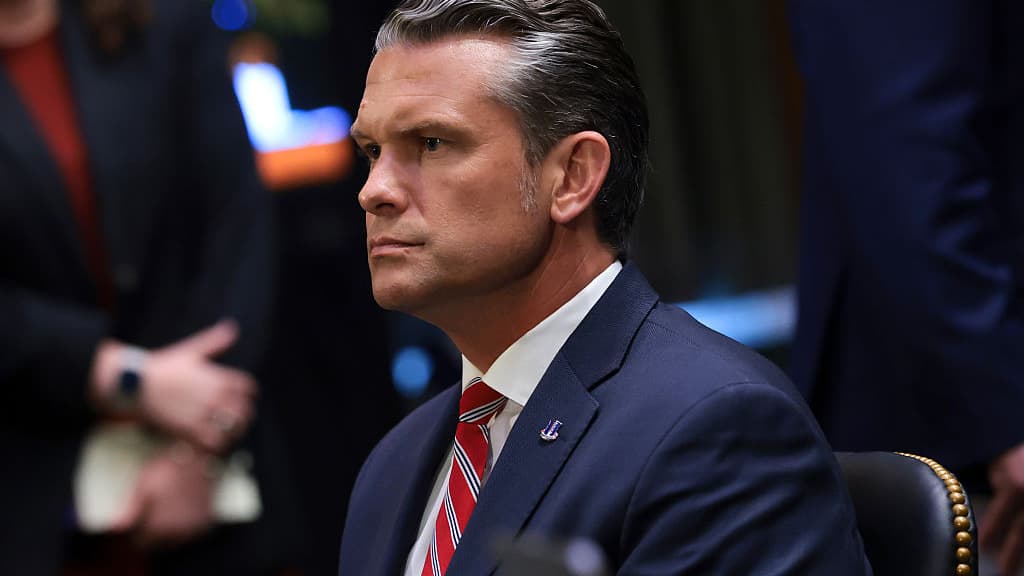
The aggressive culling of senior officers has generated sharp bipartisan alarm on Capitol Hill. Democratic lawmakers and military analysts argued that the targeting of experienced leaders damages institutional continuity and risks politicizing the nonpartisan character of the armed services.
Rhode Island Senator Jack Reed, the ranking Democrat on the Senate Armed Services Committee, condemned the cuts, warning that Hegseth has repeatedly dismissed seasoned leaders without justification. In a formal statement, Reed said that throughout his tenure, the secretary has taken reckless, partisan actions that damaged the military, ending the careers of dozens of accomplished senior officers while refusing to explain why[8].
The disruption has extended into senior defense leadership. Army Secretary Dan Driscoll resigned in September after extended friction with Hegseth over the dismissal of top officers, including former Army Chief of Staff General Randy George, according to reporting cited by The Washington Times. Driscoll reportedly viewed the removal of career commanders as a driver of command chaos at a time when U.S. forces are stretched across multiple regional theaters.
Strategic Necessity Versus Operational Risk
Defense scholars point out that complaints regarding top-heavy flag officer ranks are not new. Over decades of counterinsurgency campaigns, the proportion of general officers relative to the total active-duty enlisted force climbed noticeably[2].
| Element | Pentagon Administration Goal | Critic and Congressional Concerns |
|---|---|---|
| Flag Officer Ranks | Cut active roster by 20% to strip away bureaucracy | Depletes experienced operational leadership rapidly |
| Command Philosophy | Decentralize authority to tactical O-3 and E-6 ranks | Bypasses intermediate operational coordination |
| Promotion Standards | Focus solely on traditional lethality and combat metrics | Risks ideological purges and harms diversity retention |
| Civil-Military Norms | Enforce strict ideological alignment with executive policy | Erodes traditional nonpartisan military ethos |
Duke University political science professor Peter Feaver, a specialist in civil-military relations, told TIME that while defense experts generally agree the military could absorb a measured trimming of senior ranks, executing deep reductions alongside politically charged dismissals presents severe risks. Without careful structural management, removing seasoned four- and three-star leaders while prosecuting complex overseas operations could hollow out operational planning at the highest levels of the Pentagon.
Video
Hegseth announces 20% reduction to military generals and admirals, calls it 'accountability' →