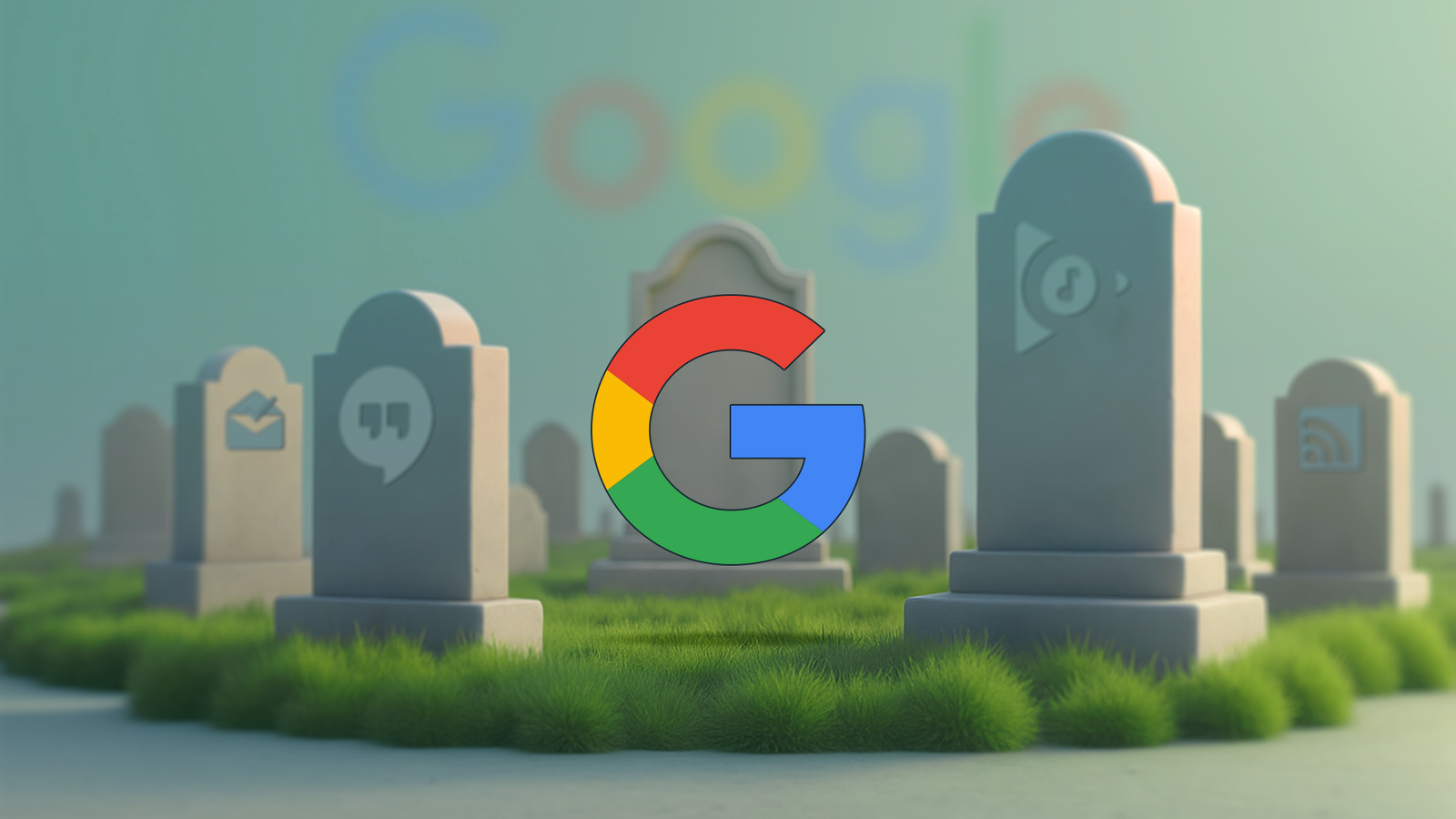
For millions of internet power users, the digital landscape is littered with the ghosts of applications cut down in their prime by Alphabet subsidiary Google. What began as an internal culture of rapid experimentation has evolved into a notorious product lifecycle strategy where beloved platforms are unceremoniously retired. Over the years, the community-maintained tracking database known as Killed by Google has cataloged close to 300 discontinued projects, turning software shutdowns into a grim running joke across technology forums[2] [3].
While executives often frame these choices as necessary housekeeping to concentrate engineering talent on foundational systems like Search, Android, and YouTube, the human cost of these decisions hits hard. Passionate user bases wake up to find their daily routines erased, migration tools that barely function, and a lingering hesitation to trust any new tool bearing the corporate brand. Examining the casualties of the Google Graveyard exposes a stark philosophical divide between what users value and what a multi-hundred-billion-dollar ad machine demands to stay satisfied[5].
The Loss of Google Reader and the Rise of Algorithmic Feeds
Long before social media algorithms dictated daily information diets, Google Reader served as the central nervous system for news junkies, bloggers, and journalists. Launched as a web-based RSS aggregator, it funneled dozens of distinct websites and feeds into a clean, distraction-free stream controlled entirely by the user. When Google announced its closure in 2013, it triggered fierce public outcry, drawing more than 150,000 signatures on petitions begging the company to reconsider.
Industry retrospective analysis frequently points to the death of Reader as a critical turning point for the open web. As noted in historical retrospectives covering the platform's demise, the cancellation did not stem from technical failure or broken code, but rather from a corporate desire to focus resources elsewhere as user growth flattened. Without an RSS dashboard putting chronological power back into human hands, the web accelerated its slide toward opaque, engagement-obsessed algorithmic feeds. Devotion and daily utility, it turned out, could not compete against metrics that aligned with ad-serving imperatives.

Stadia and the Anatomy of Cloud Gaming Ambition
Few shutdowns match the high-stakes abruptness of Google Stadia, the ambitious cloud gaming service that promised console-quality performance streamed directly from data centers to any browser or screen. When the platform debuted, it boasted custom architecture and high-end streaming capabilities. Yet, as Stadia vice president and general manager Phil Harrison acknowledged in a corporate blog post announcing the wind-down, the service ultimately failed because "it hasn't gained the traction with users that we expected"[7].
The post-mortem of Stadia revealed a pragmatic corporate ruthlessness. While consumer-facing game sales and hardware purchases were eventually fully refunded, subscriptions like Stadia Pro saw no money back, drawing sharp criticism from early adopters. More revealingly, the underlying streaming technology did not vanish. As Google noted at the time, the core streaming infrastructure was immediately harvested and repurposed inside YouTube, Google Play, and corporate augmented reality initiatives. The consumer product was left to die, while its technological skeleton was digested back into the parent company's most lucrative core pillars[5].

The Metrics That Matter Versus Consumer Sentiment
Mapping the historical trajectory of the Google Graveyard reveals distinct clusters of carnage tied directly to leadership transitions and shifting strategic mandates. Data analysis of the Killed by Google project indicates that dozens of products were purged during executive shakeups, demonstrating how incoming management teams routinely sweep away legacy experiments to clear the runway for their own initiatives.
The strongest counterpoint defense from corporate defenders is straightforward: maintaining hundreds of stagnant apps creates unmanageable security liabilities, drains engineering resources, and fragments user focus. Industry commentators suggest that sunsetting underperforming experiments allows engineering teams to pivot toward scalable modern solutions. Even so, the sheer velocity of these cancellations breeds a pervasive user anxiety. When communication tools like Google Hangouts, Inbox by Gmail, and Google Play Music are regularly ushered off the stage, they take precious user data histories and customized workflows down with them[13].
Why it matters
The chronic purging of popular applications shapes consumer trust across the entire technology sector, serving as a warning against building personal or professional workflows on rented digital ground. Alphabet's readiness to terminate working software proves that in a corporate structure driven by massive ad revenues, user affection is never enough to save an app that fails to achieve hyper-scale.