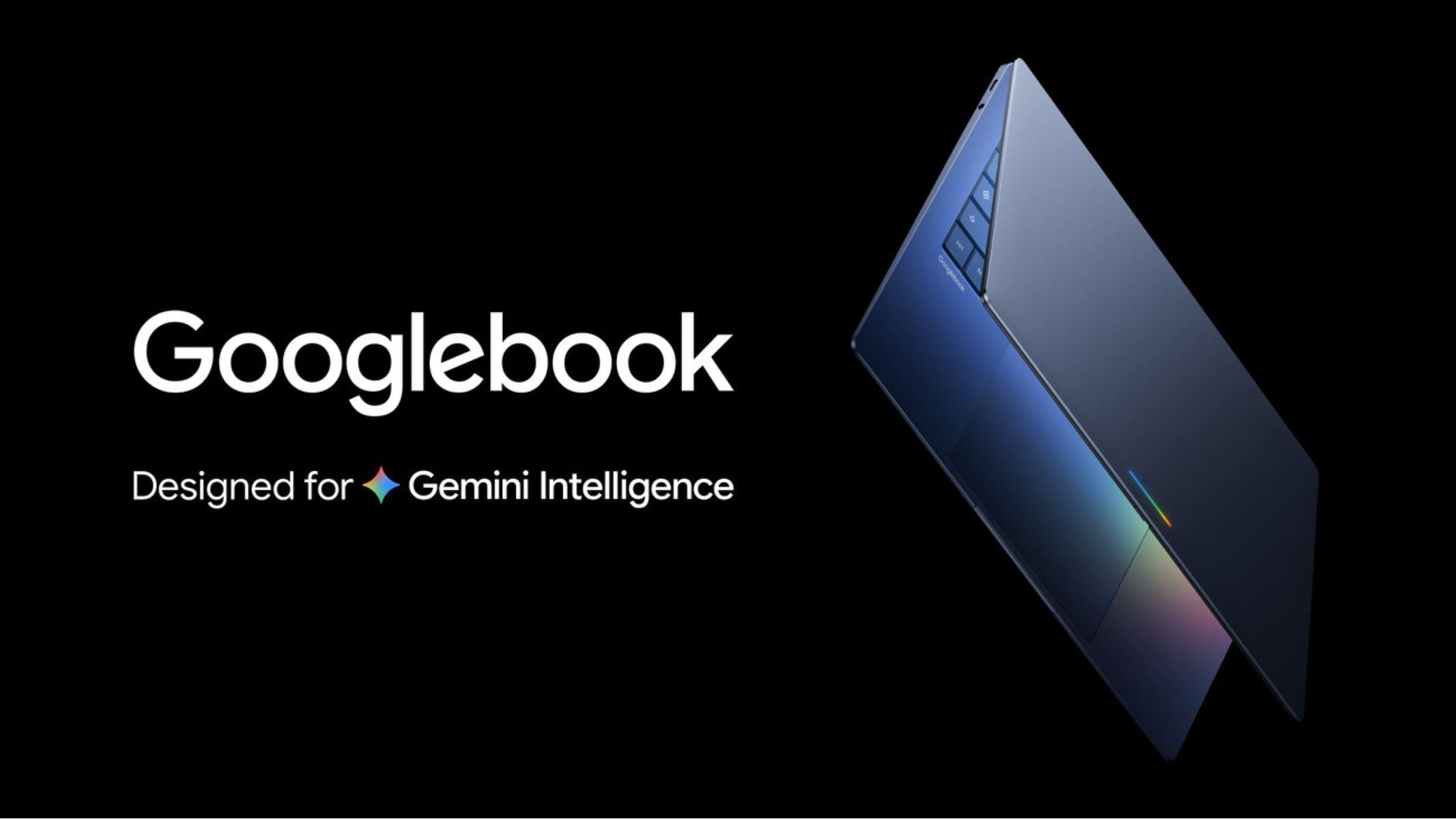
Google has officially confirmed that pre-orders for its new class of personal computing hardware, dubbed the Googlebook, will begin on September 21 at 9:00 a.m. Eastern Time. The announcement marks the tech giant's most aggressive push yet to graduate beyond lightweight education hardware and directly challenge the supremacy of the Apple MacBook in the premium portable computing sector[1].
Rather than relying on the traditional browser-centric architecture of standard Chromebooks, the forthcoming Googlebook lineup introduces a hybrid operating system built on an Android foundation that deeply integrates desktop-class multitasking with Google's generative artificial intelligence platform, Gemini. By opening direct pre-orders ahead of an industry launch celebration in New York City, Google is betting that deeply unified mobile software and on-device machine intelligence can convince mainstream consumers and creative professionals to leave macOS behind.
The September 21 Pre-Order Rollout and Hardware Partners
The pre-order timeline emerged after Google updated its official portal and distributed direct notifications to registered users, as first reported by Android Central and 9to5Google. Pre-orders will launch through the Google Store and partner channels, though Google has withheld full retail pricing and definitive delivery schedules beyond confirming that physical units will begin reaching buyers later this fall[6].
Unlike previous hardware experiments such as the original Pixelbook, Google is not launching this generation alone. According to reports from TechPowerUp and Hot Hardware, the initial launch relies on an established roster of original equipment manufacturers, with Acer, ASUS, Dell, HP, and Lenovo producing the first wave of branded Googlebook laptops.
Leaked specifications suggest these devices will not carry the budget internals associated with early ChromeOS releases. Reporting from Gizmodo indicates that upcoming models, such as the Lenovo Googlebook 15, will feature Intel Core Ultra 5 processors, up to 32 gigabytes of LPDDR5X memory, haptic touchpads, and high-resolution 120Hz OLED displays. The chassis will also incorporate Google's signature multi-color Glowbar exterior light strip and a dedicated hardware key for launching Gemini.
Android Integration and Gemini at the Core
The defining technical pivot of the Googlebook is its underlying software stack, internally referenced during development as Aluminum OS. For years, traditional Chromebooks struggled to run mobile apps via containerized translation layers that frequently suffered from erratic scaling and performance hiccups. The new platform runs native Android at its foundation while maintaining full desktop Chrome browsing[4].
Google explained its broader design strategy in marketing materials shared on its launch portal:
a new category of laptops built with Gemini's helpfulness at its core, designed to work seamlessly with the devices in your life and powered by premium hardware.
Google official statement
As documented by Tom's Guide and Engadget, this operating model introduces several user-facing machine learning tools designed to streamline everyday work[10]:
- Magic Pointer: A contextual cursor tool activated by a slight wiggle of the trackpad, enabling users to circle, identify, and query on-screen text or imagery using Gemini multimodal search.
- Generative Interface Widgets: The ability for users to generate personalized system widgets and workflow dashboards dynamically through natural language prompts[2].
- Cross-Device Ecosystem Parity: Seamless continuity between Android mobile devices and laptops, mirroring the unified experience Apple offers across iOS and macOS.
Head-to-Head: Googlebook Versus Apple MacBook
To capture market share from Apple's popular MacBook Air and MacBook Pro, the Googlebook must overcome a high bar for performance efficiency and software cohesion. While Apple has relied on its custom Apple Silicon architecture to dominate battery life benchmarks, Google is banking on AI fluidity and extensive mobile app compatibility[1].
| Feature Dimension | Googlebook Platform | Apple MacBook |
|---|---|---|
| Operating System | Android-based OS (optimized for desktop multi-windowing) | macOS (Unix-based desktop platform) |
| Primary Silicon | Intel Core Ultra 5 Panther Lake architecture | Apple Silicon M-Series processors |
| Artificial Intelligence | Deeply native Gemini integration with dedicated physical key | Apple Intelligence platform integrated across macOS |
| App Ecosystem | Native Android application library alongside desktop Chrome | Native Mac applications and ported iOS/iPadOS software |
| Hardware Partners | Multi-vendor ecosystem: Lenovo, HP, Dell, Acer, ASUS | Proprietary Apple hardware manufacturing |

Ecosystem Hurdles and Enterprise Adoption
Despite the high-profile specifications and aggressive partner rollout, industry analysts note that Google faces deep-rooted adoption hurdles. Over more than a decade, ChromeOS secured dominance in K-12 education through cloud management simplicity and rock-bottom device pricing. Premium consumer laptops command higher price points where Apple remains the entrenched default.
Community analyses tracked across Reddit computing forums point out that Googlebooks will initially lack the enterprise device-management suites that IT departments rely upon to administer fleet hardware. If priced too close to mid-range productivity laptops without enterprise tools in place, early adoption may remain confined to Android enthusiasts rather than business organizations[3].
Furthermore, Google has historically struggled with maintaining sustained consumer hardware platforms, having retired previous premium initiatives like the original Chromebook Pixel line. Whether software makers will optimize complex creative tools for Android-based desktop environments remains an open question that Google must answer as retail units begin arriving in consumers' hands.