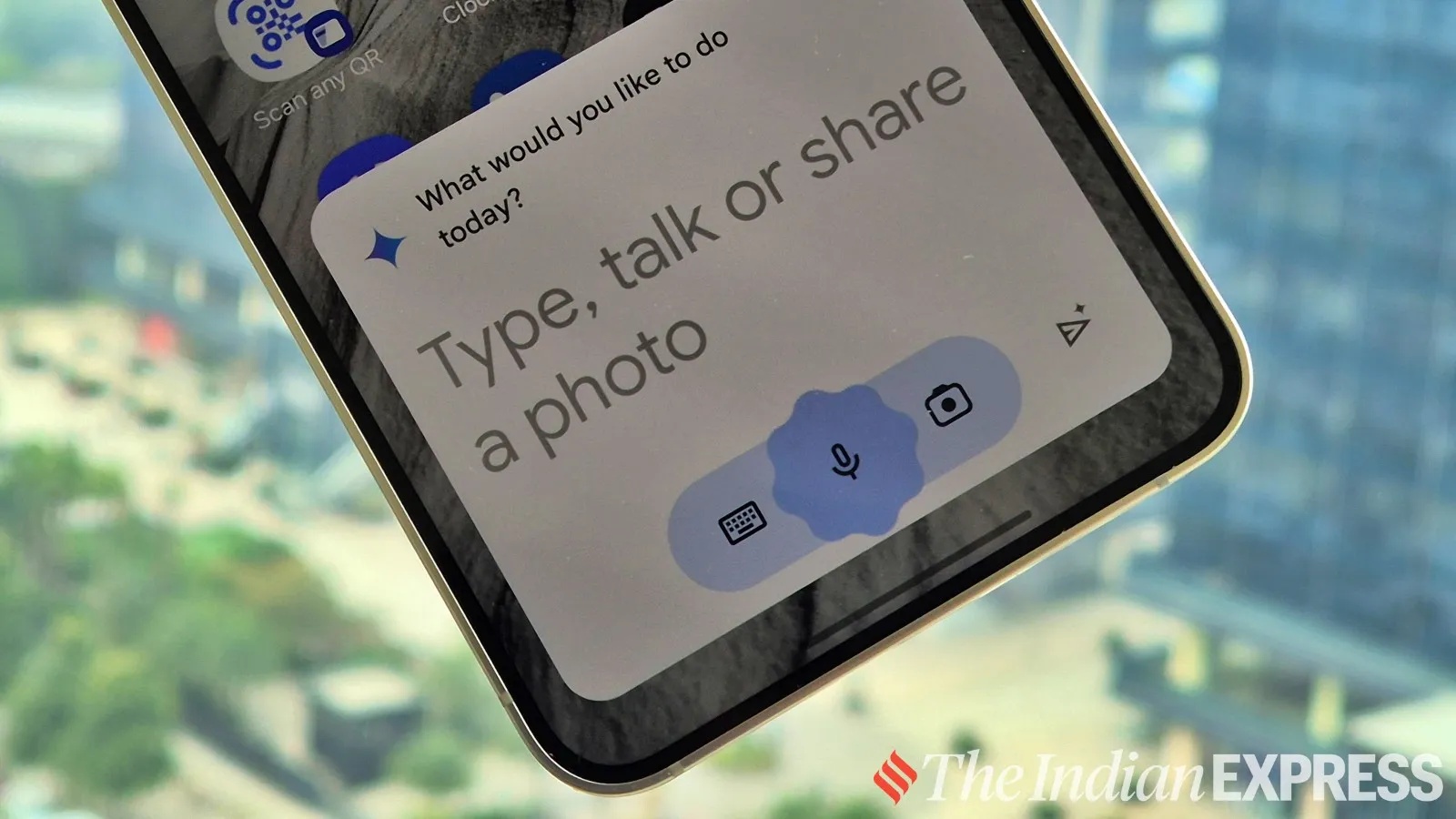
Google has begun testing an integrated checkout capability in India that enables consumers to purchase items from Walmart-owned Flipkart directly inside Google Gemini and AI Mode in Google Search. Instead of redirecting users across external tabs to finish an order, the pilot lets select shoppers tap an in-line purchase option to trigger a checkout flow without leaving the conversation[1].
The feature represents a pivotal operational leap for Google's artificial intelligence interfaces, bridging the gap between product discovery and financial settlement. The initial trial focuses on high-demand retail segments, including smartphones, consumer electronics, and mobile accessories, ahead of a scheduled expansion planned for October to capture India's competitive festive shopping season.
From Discovery to the Cash Register
Google has spent recent years developing its Shopping Graph, an indexed commerce database tracking tens of billions of product listings worldwide with real-time price updates. While previous iterations allowed Gemini and AI Mode to present comparative tables, reviews, and external links, the software still required users to visit an external merchant portal to complete payment.
According to reporting from TechCrunch, this new test introduces a dedicated "Buy" button on qualifying Flipkart listings inside the chat window. Activating the button calls up a Flipkart-branded checkout interface directly within Google's AI interface, allowing users to review purchase terms and finalize transactions on the spot.
A Google spokesperson acknowledged the operational testing in a statement to TechCrunch, emphasizing that the company regularly experiments with mechanisms to help users connect with retailers[6].
always testing new features and experiences to help people discover and connect with businesses more easily
Google spokesperson, in a statement to TechCrunch
Architecture of the In-Chat Checkout Flow
The technical underpinning of the test aligns with Google's broader rollouts around the Universal Commerce Protocol, an open standard introduced earlier in 2026 designed to standardize how AI agents exchange transaction details, inventory counts, and fulfillment parameters with digital storefronts. However, the Flipkart experience departs somewhat from Google's domestic demonstrations in the United States.
While U.S. demonstrations of the protocol highlighted Google Pay and Google Wallet managing unified checkout records, the Indian test presents a merchant-specific, Flipkart-branded overlay. This structural nuance preserves Flipkart's identity as the seller of record, keeping account credentials, customer service obligations, and order fulfillment anchored in Flipkart's existing logistics stack[8].
| Interface Component | Standard AI Mode Search | Gemini Flipkart Test Flow |
|---|---|---|
| Product Exploration | Conversational summaries, spec tables, web comparisons | Contextual recommendations via Shopping Graph |
| Listing Action | Outbound hyperlinks to merchant storefronts[3] | Direct "Buy" button embedded on listing cards |
| Transaction Process | Handed off entirely to merchant external site | In-line, Flipkart-branded checkout inside AI environment[1] |
| Initial Product Scope | Global web catalog across participating vendors | Smartphones, electronics, and mobile accessories |

E-Commerce Power Struggles in India
The geographic focus of the test highlights the strategic value of India, which boasts more than one billion internet subscribers and serves as one of the fastest-growing digital marketplaces on the planet. Corporate relations between the two companies are already tightly bound: Google completed a $350 million minority investment in Flipkart in 2024[6].
The timing is equally critical, aligning with the approach of India's annual festive retail rush in October, anchored by major discount events such as Flipkart's Big Billion Days. During this window, tens of millions of Indian consumers purchase high-ticket consumer goods, offering Google an ideal real-world proving ground to test conversion rates under heavy query volume.
The deployment also exposes immediate platform rivalries. During the current trials, product listings from chief rival Amazon India can still appear within Gemini comparison queries, yet those listings lack an in-line purchase option, directing users outward instead. This asymmetry illustrates how commercial equity stakes and bespoke partner integrations could reshape user experiences across conversational search.
Agentic Commerce and Platform Neutrality Questions
The race to monetize generative AI assistants has intensified across Silicon Valley, as rivals like OpenAI and Meta seek sustainable income models beyond enterprise API billing and consumer subscriptions. By embedding transaction hooks into AI responses, Google transforms Gemini from a helpful research assistant into a lucrative digital point of sale[1].
Yet this transition brings thorny strategic and regulatory questions regarding platform neutrality. As AI Weekly and other industry trackers observed, when discovery takes place inside a language model and checkout is tightly coupled to select commercial partners, traditional web search parity begins to fray. Questions remain over whether competing retailers will receive identical transaction hooks or whether minority investments will dictate checkout placement.
There are also unanswered questions concerning consumer dispute resolution, warranty registration, and customer data custody when shopping across an agentic boundary. Although the October expansion will offer broader access across India, Google must balance commercial exclusivity against antitrust scrutiny as its AI assistants move from answering questions to processing payments.