As President Donald Trump prepared to deliver an elaborate planeside greeting and White House state dinner for Chinese leader Xi Jinping, Capitol Hill defense leaders delivered a rare public rebuke of the administration's diplomatic overtures. The planned pageantry for the high-stakes bilateral summit in Washington has exposed sharp divisions within the Republican Party over how to confront Beijing[2].
The resistance crystallized on the Senate floor when Senator Roger Wicker, the Mississippi Republican who chairs the Senate Armed Services Committee, declared that the White House should not have extended an invitation for such a ceremonial reception in the nation's capital. The public friction between the Senate's top defense policymaker and the president underscores deep skepticism among congressional national security leaders as the administration attempts to broker commercial and technological arrangements with Beijing[4].
An Unusually Pomp-Filled Reception at Joint Base Andrews
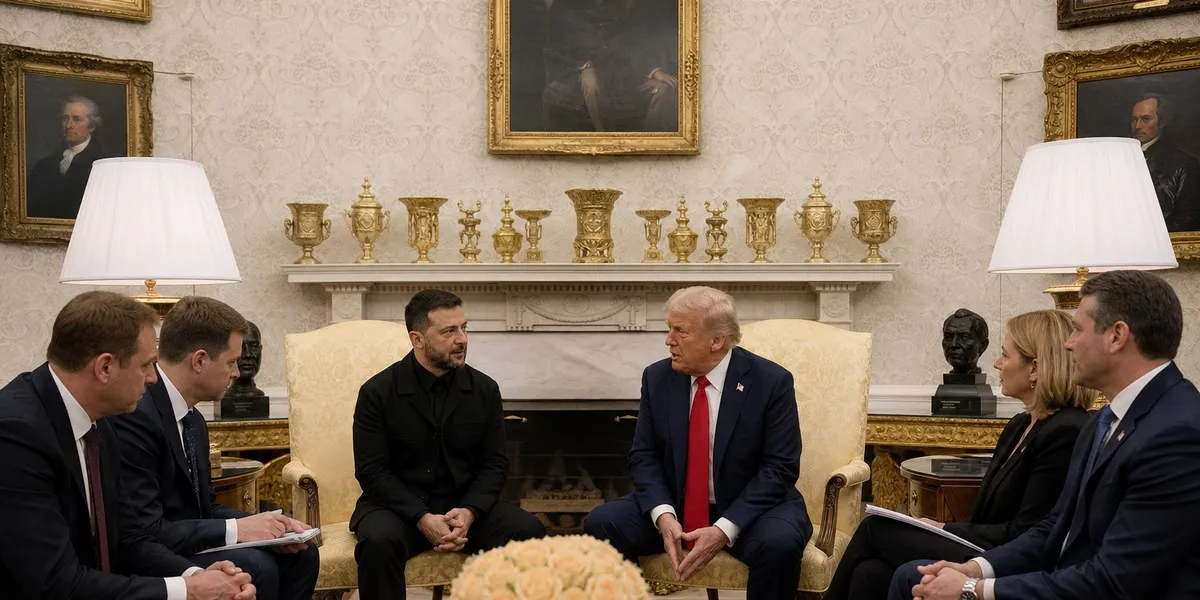
The White House designed an itinerary heavy on ceremonial honor. According to reporting from The Associated Press, Trump arranged to meet Xi directly on the tarmac at Joint Base Andrews rather than waiting at the executive residence, a rare protocol concession marking Xi's first full state visit to Washington in over a decade. Trump and First Lady Melania Trump are hosting Xi and his wife, Peng Liyuan, for a formal state dinner at the White House on Thursday.
The administration views the summit as reciprocation for the ceremonial grandeur accorded to Trump during his state visit to China earlier this year. The bilateral meeting is the first face-to-face encounter between the two leaders since May, coming at a fraught diplomatic crossroads. Negotiators face a ticking clock, with a temporary trade truce between the world's two largest economies scheduled to expire on November 10. Speaking to CNBC, Treasury Secretary Scott Bessent signaled that both nations have explored reducing tariffs on goods outside critically sensitive categories[4].
The Armed Services Pushback on the Senate Floor
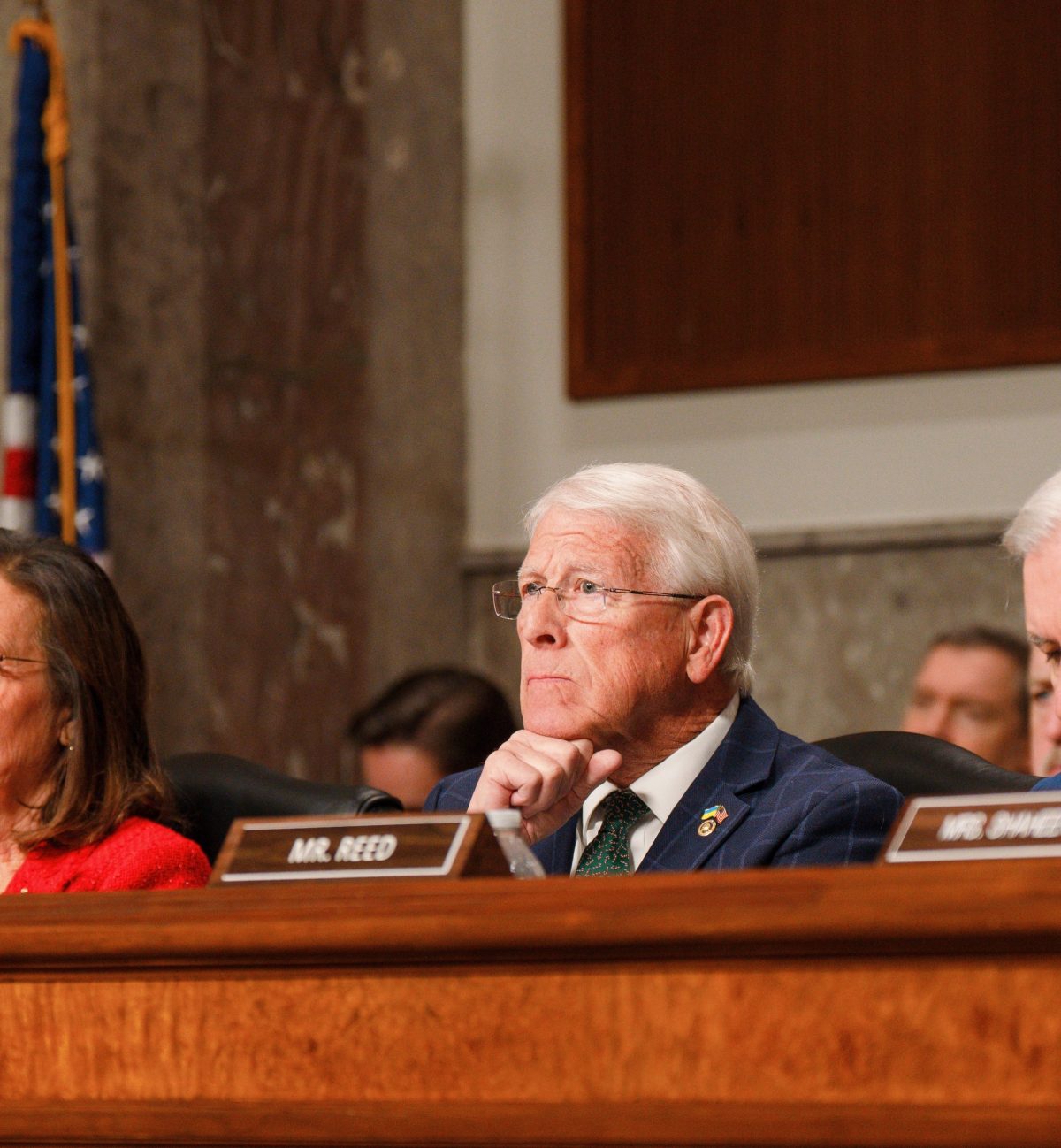
While the administration focused on economic diplomacy, Wicker took to the Senate floor to express fundamental objections to rolling out the red carpet. The Mississippi Republican made clear that he would have counselled against the entire event.
Quite frankly, had the White House asked me for advice, I would've suggested the president not invite Xi Jinping to Washington for such a lavish welcome.
Sen. Roger Wicker, Chairman of the Senate Armed Services Committee
Wicker argued that the administration cannot afford to prioritize commercial goodwill over pressing security threats. The committee chairman urged Trump to use every minute of dialogue to confront Beijing directly on its geopolitical interventions, notably China's alleged backing of Tehran during recent conflicts. As The Washington Post reported, Wicker cited reports indicating Chinese intelligence assistance directly damaged American operational security.
The president might inquire about the purposes of China's massive military build-up, or about China's clear support for Iran. This summer, it was all over the press that China gave Iran satellite imagery intelligence, and that intelligence led to the death of American troops.
Sen. Roger Wicker, Chairman of the Senate Armed Services Committee
Wicker also insisted that human rights violations cannot be sidelined for transactional victories. He demanded that Trump advocate on behalf of jailed Hong Kong publisher Jimmy Lai, raise the detention of more than one million Uyghurs in Xinjiang concentration camps, and confront the ongoing persecution of Christians, Tibetan Buddhists, and Falun Gong practitioners[5].
Trade, Artificial Intelligence, and Conflicting Mandates
The collision of perspectives between the White House and congressional defense committees mirrors a wider tactical split across Washington over how to manage strategic competition. The administration has sought to isolate immediate commercial and technological questions, pursuing potential guardrails around artificial intelligence while attempting to stabilize consumer supply chains[4].
| Issue Domain | White House Summit Objective | GOP Armed Services Priority |
|---|---|---|
| Trade and Tariffs | Extend commercial truce before Nov. 10; selective tariff reductions | Maintain leverage; penalize predatory economic aggression |
| Artificial Intelligence | Bilateral safety protocols and strategic risk reduction | Strict tech export curbs; prevent military AI parity |
| Regional Security | Preserve bilateral stability and direct personal channels | Deter Taiwan invasion; confront China-Iran satellite intelligence sharing |
| Human Rights | Subordinated to economic and technology pacts | Demand release of Jimmy Lai and accountability for Uyghur camps |
Wicker acknowledged on the Senate floor that discussions covering trade agreements and artificial intelligence safety carry legitimacy and could produce progress. Yet he warned that the commander-in-chief must never lose sight of the regime's core strategic intentions. During his floor remarks, Wicker cautioned that Trump's guest remains an oppressive ruler whose expanding military forces directly target the United States and its regional allies.
Capitol Hill Defense Doubts Over Indo-Pacific Deterrence
The sharp language from a senior Republican committee chairman reflects mounting anxiety over deterrence across the Indo-Pacific. As Politico reported, Wicker has consistently advocated for a rapid expansion of naval shipbuilding and munitions stockpiling, frequently arguing that the Pentagon remains under-resourced to match China's swift naval and nuclear expansion. Earlier committee reviews into atomic capabilities highlighted Beijing's rapid construction of hundreds of new missile silos and ballistic missile submarine platforms[7].
Congressional defense panels worry that lavish imagery and diplomatic concessions risk projecting American indecision, unsettling allies such as Taiwan, Japan, and the Philippines. While Trump has repeatedly argued that his personal rapport with foreign leaders establishes effective deterrence without entanglement, defense hawks argue that personal summits without concrete security concessions only provide authoritarian adversaries with strategic breathing room.