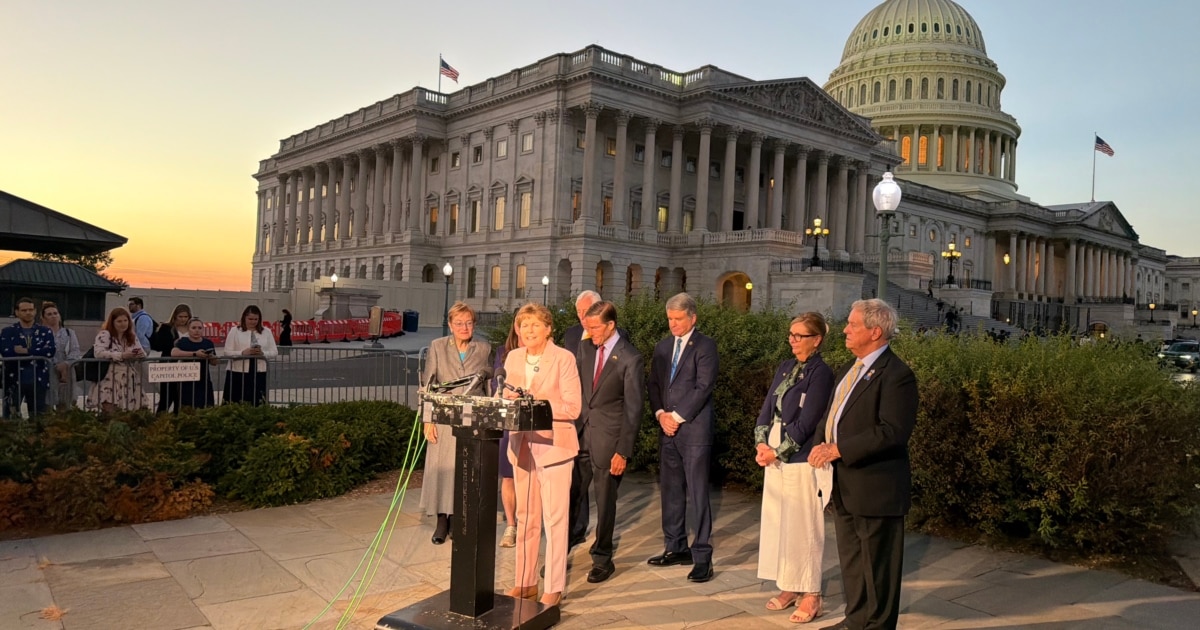
The House of Representatives on Wednesday passed a massive penalties package targeting the Kremlin and Tehran, sending to President Donald Trump a measure intended to choke off financing for Russia's war in Ukraine. Approved by a 262 to 159 vote on lawmakers' final day in session before the fall congressional recess, the bill arms the executive branch with unprecedented secondary tariff authorities against foreign purchasers of Russian fossil fuels[2].
Formally titled the Lindsey O. Graham Sanctioning Russia and Iran Act of 2026, the bill honors the late Republican senator from South Carolina who spent more than a year orchestrating its framework before his sudden death in July. Its approval marks the most consequential bipartisan congressional action on the conflict in Ukraine since 2024, but the contentious debate exposed deep fissures across party lines over the expansion of unilateral trade powers[2].
Sweeping Secondary Tariffs and Maritime Bans
The core mechanism of the bill strikes directly at Moscow's fiscal lifeline: global hydrocarbon exports. According to the legislative text approved by the House, the president is authorized to impose tariffs of up to 100 percent on goods imported from the top five purchasers of Russian crude oil or natural gas, as well as the five leading nations deemed to be facilitating evasion of energy penalties. Data compiled by the Centre for Research on Energy and Clean Air identifies China and India as the primary buyers of Russian crude, placing both nations squarely in the crosshairs of potential retaliatory duties.
Beyond third-country trade, the legislation raises permissible direct tariffs on Russian-origin goods to as high as 500 percent. It additionally institutes mandatory prohibitions designed to cripple the maritime logistics network supporting the Russian energy trade. Representative Brian Fitzpatrick, a Pennsylvania Republican and co-chair of the Congressional Ukraine Caucus, detailed in a public statement that the measure explicitly blocks Russia's shadow fleet of tankers. The statute penalizes vessel owners, operators, insurers, and ports facilitating clandestine oil transfers, while prohibiting United States citizens from purchasing Russian sovereign debt or investing in the Russian energy industry[4].
To ensure continuity in Middle Eastern containment, the statute extends the Iran Sanctions Act of 1996 through 2031. As reported by CBS News, this five-year extension guarantees that federal authority to disrupt foreign capital flowing into Iran's ballistic missile, weapons development, and energy infrastructure does not lapse.
Democratic Revolt Over Tariff Powers
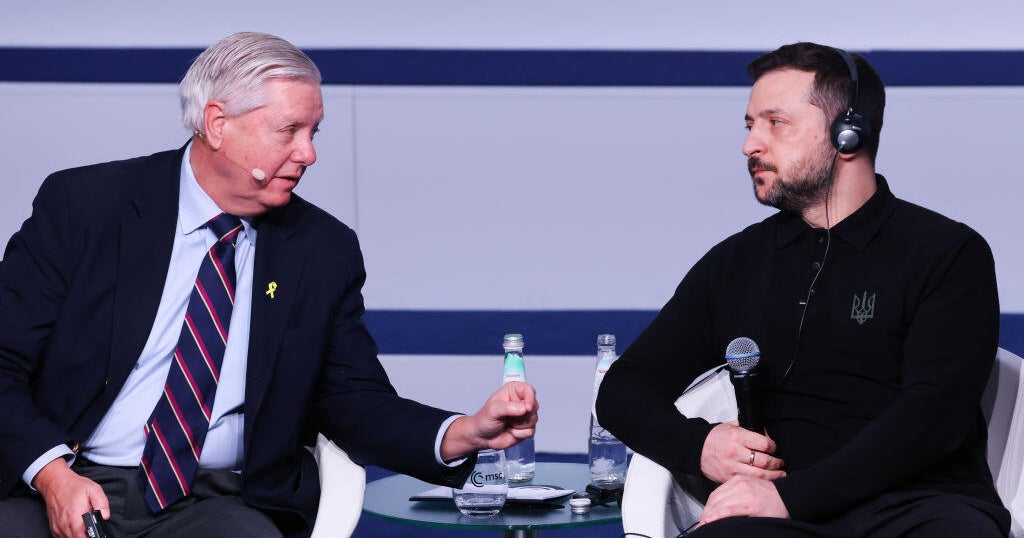
Although the Senate approved the measure in August by an overwhelming 86 to 11 vote, the bill ran into fierce headwinds in the House. House Minority Leader Hakeem Jeffries of New York spearheaded opposition within his caucus, warning that the bill transferred staggering economic leverage directly into the hands of the executive branch without sufficient legislative oversight[1].
In floor debate reported by NPR, Democratic opponents pointed to language that gives the White House wide discretion to designate countries as facilitators of sanctions evasion. Representative Don Beyer, a Virginia Democrat, argued that the provision contains dangerous loopholes.
This bill has a loophole that would allow him to define basically any country as a facilitator of evading Russian sanctions. He could then hit them with tariffs of up to 100%, with no guardrails or oversight, and no expiration.
Rep. Don Beyer, Democrat of Virginia, via NPR
The procedural showdown brought the chamber to the brink earlier in the week. A rule vote to bring the Senate amendments to the floor squeaked through by a razor-thin 214 to 211 margin when moderate Democrats broke ranks. On final passage, 58 Democrats joined 203 Republicans and one independent to send the measure across the finish line, while seven Republicans and 152 Democrats voted against it. The conservative defectors included Representatives Chip Roy of Texas and Thomas Massie of Kentucky.

Key Provisions of the Sanctions Act
| Target Area | Statutory Mechanism | Exceptions and Scope |
|---|---|---|
| Secondary Energy Buyers | Tariffs up to 100 percent on top five purchasers of Russian oil and gas | Exempts nations importing under 15 percent of gas from Russia if reducing intake |
| Direct Russian Trade | Discretionary tariffs up to 500 percent on Russian-origin goods | Prohibits new U.S. investment and purchases of Russian sovereign debt |
| Maritime Transport | Full sanctions on the shadow fleet of oil tankers | Applies secondary penalties to insurers, port operators, and vessel logistics |
| Iran Counter-Proliferation | Extends the Iran Sanctions Act through 2031 | Prevents expiration of energy and conventional arms sanctions authorities |
A Legacy Codified Amid Diplomatic Uncertainty
House Foreign Affairs Committee Chairman Emeritus Michael McCaul, a Texas Republican who championed the legislation alongside former Democratic Majority Leader Steny Hoyer of Maryland, framed the vote as a pivotal moral turning point. During a bicameral press conference after the vote, McCaul hailed the legislation as the definitive realization of Graham's strategic vision[3].
This bill will cripple Russia's war machine and finally bring Putin to the negotiating table. It will ensure America's adversaries, not only Russia, but also China and Iran, suffer for their coordinated campaign of aggression.
Rep. Michael McCaul, Chairman Emeritus of the House Foreign Affairs Committee
The push to clear the legislation gained decisive momentum following Graham's passing, shortly after his return from a high-stakes trip to Kyiv where he brokered White House alignment. His sister, Senator Darline Graham, who was appointed to fill his Senate seat, celebrated the House vote on social media as a foundational step toward ending hostilities in Eastern Europe. Senator Katie Britt, an Alabama Republican who helped shepherd the companion bill through the Senate, told reporters that the legislation equips the presidency with indispensable negotiating leverage[6].
Yet foreign policy analysts at the Atlantic Council emphasize that the ultimate impact of the Graham Act depends entirely on executive implementation. While the White House announced that presidential advisers will recommend signing the bill into law, the statutory framework creates diplomatic minefields. The executive branch possesses the latitude to either utilize the 100 percent tariff threshold as an aggressive hammer against commercial giants like Beijing and New Delhi, or employ statutory national interest waivers to dilute the penalties during delicate peace negotiations. Under the text of the statute, sanctions can only be permanently lifted if the president certifies that Moscow has concluded an internationally recognized peace pact accepted by a sovereign, independent Ukrainian government.
Video
McCaul Speaks After House Passes the Lindsey O. Graham Sanctioning Russia and Iran Act →