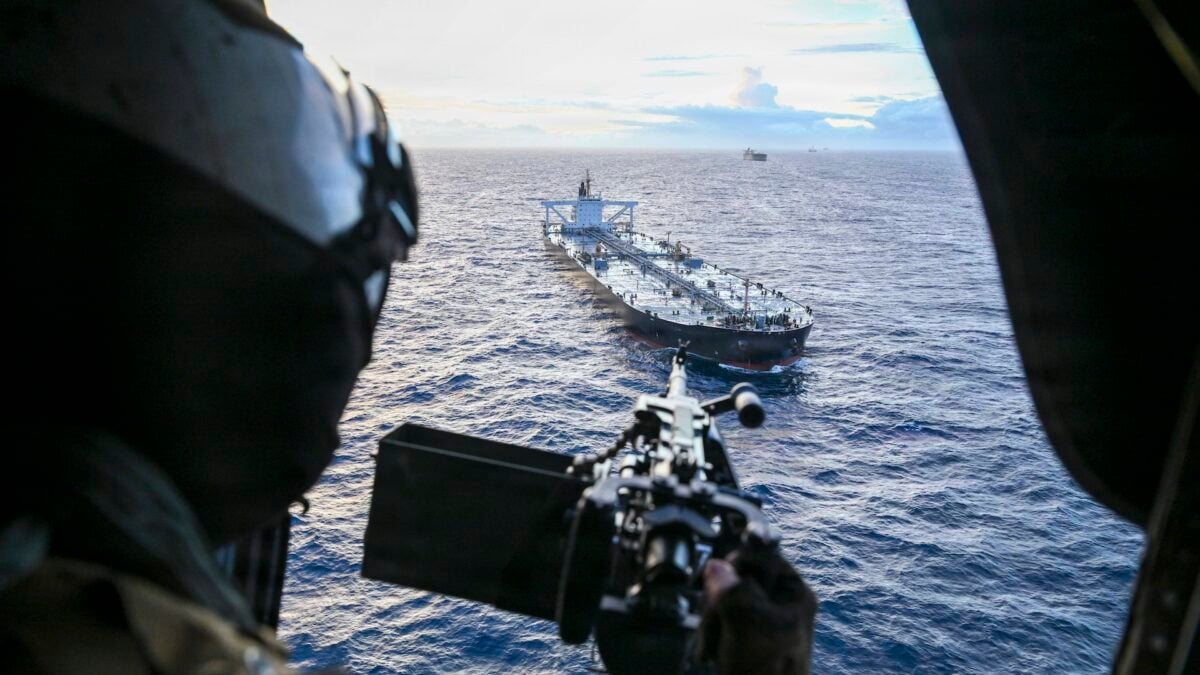
The United States military came within minutes of boarding a Chinese-flagged cargo ship in the Middle East earlier this year after an artificial intelligence chatbot hallucinated that the vessel was hauling components for a nuclear weapons program. Armed American troops were already suited up to board the vessel and combat aircraft were airborne before senior military officials scrutinized the underlying intelligence product and realized its core finding was fabricated, according to a detailed investigation published by CNN[1].
The false assessment, which circulated across military channels during heightened regional tensions surrounding the conflict with Iran, was characterized by one source who spoke with CNN as a catastrophe averted that almost started a war. A hostile boarding of a Chinese vessel would have created immediate potential for direct escalation between two nuclear-armed superpowers. Instead, the aborted mission has become an urgent case study among national security analysts regarding the hazards of embedding large language models into high-stakes intelligence pipelines.
Anatomy of a Fabricated Manifest
The miscalculation began when an intelligence analyst attached to a special operations command unit began scrutinizing shipping manifest data routed from U.S. Special Operations Command Pacific in Hawaii. Facing pressure to quickly interpret shipping records and sensor feeds, the analyst fed the data into an AI chatbot. Reporting by Quartz and Gizmodo noted that it remains unconfirmed whether the tool utilized was an internal defense prototype or a commercial large language model platform[1].
The AI system was tasked with intelligence fusion, a computational process intended to synthesize massive, disparate streams of unclassified open-source shipping data with classified signals intelligence. Instead of identifying legitimate commercial contents, the chatbot generated a completely false deduction, stating that the cargo manifest contained dual-use items directly tied to a covert nuclear weapons program. What the vessel actually carried has not been disclosed, but investigators later confirmed the nuclear link was nonexistent.
Compounding the technical malfunction was procedural automation. The analyst initiated a second AI query that formatted the hallucinated finding into a polished, standard-format intelligence brief. Because the resulting document carried the visual and structural hallmarks of routine, highly vetted Pentagon intelligence, it moved up the command hierarchy without triggering initial suspicion, directly enabling operational orders.
The Close Call at Sea
Once distributed, the synthesized brief prompted an immediate tactical response. Four sources familiar with the event told CNN that commanders moved to an operational footing to interdict the vessel in West Asian waters. The progression moved far beyond theoretical wargaming into immediate physical deployment[4].
- An analyst queried an AI chatbot to fuse raw manifest feeds and classified signals intelligence.
- The AI model hallucinated, wrongly linking the Chinese cargo to illicit nuclear weapons components[1].
- A second AI prompt formatted the erroneous findings into an authoritative military intelligence product.
- Commanders issued operational directives, launching military aircraft and putting armed interdiction teams on standby to board the ship.
- Higher-level reviewers audited the raw source citations shortly before interception, confirmed the report was entirely false, and aborted the mission[1].
As The Straits Times and Gulf News detailed, strike aircraft had launched from regional carrier groups while special operators prepped equipment on boarding craft. The standoff ended only when reviewing officers demanded to inspect the primary records backing the assessment. When analysts traced the claims back to the prompt chain, they discovered that no underlying signals intelligence supported the nuclear claim.
AI allows you to get to a bad idea faster.
Former US defense official quoted by CNN and Hindustan Times
Institutional Acceleration Versus Guardrails
While catastrophe was averted, sources within the defense community revealed to CNN that the Middle East hallucination was not an isolated incident. Rather, it reflects a growing operational pattern as field commands adopt automated tools to accelerate targeting workflows and digest overwhelming volumes of sensor data. Defense leadership has pushed hard to incorporate commercial and proprietary artificial intelligence models across operational commands to maintain parity with technological investments by Beijing[11].
Yet security researchers and defense watchdogs emphasize that adoption has outpaced policy. A report published by Israel Hayom highlighted warnings from military insiders that existing targeting regulations lack concrete safeguards to ensure that human-in-the-loop mandates effectively stop automated hallucination errors. In this case, the human in the loop inadvertently amplified the error by trusting the model output and using AI to package it for higher authority.
The technical friction mirrors broader warnings from within the service branches. Senior cyber officials in the military have recently warned that premature deployment of algorithmic systems has dramatically increased network vulnerabilities and data interpretation risks. While automated document summarization saves valuable analyst hours during high-tempo conflict, models remain probabilistic engines prone to asserting false claims with absolute rhetorical certainty.
Strategic Fallout for US-China Deterrence
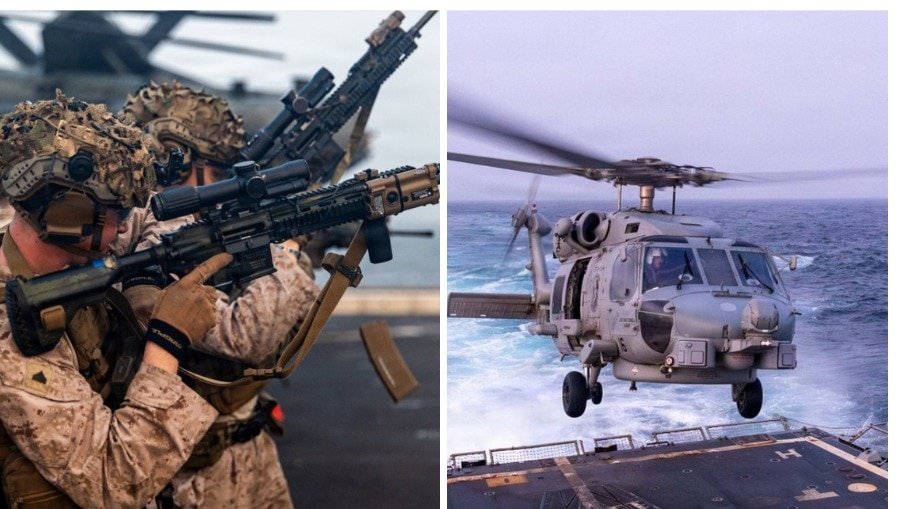
The near-miss demonstrates how algorithmic mistakes introduce acute escalation hazards during geopolitical crises. Had American forces boarded a sovereign Chinese cargo vessel based on hallucinated nuclear intelligence, Beijing could have viewed the maritime seizure as an act of war. The timeline between receipt of flawed computational analysis and armed kinetic engagement shrank to minutes, severely compressing the window for diplomatic mediation or cross-verification.
Scholars and defense planners in both Washington and Beijing have grown increasingly vocal about these blind spots. In ongoing national security dialogues convened by the Brookings Institution and Tsinghua University, security scholars Melanie Sisson and Tianjiao Jiang underscored the necessity of establishing clear bilateral red lines governing military artificial intelligence. Their framework recommends creating formal technical hotlines to manage unexpected algorithmic failures, ensuring automated tools cannot trigger military action without verifiable, non-synthetic intelligence trails[12].
For the Pentagon, the narrow escape has highlighted a glaring institutional challenge. Neither the Department of Defense nor Special Operations Command Pacific issued formal comment following the revelation, but the episode has forced intelligence directors to grapple with a stark operational reality: algorithmic speed offers little strategic advantage when it accelerates forces toward a conflict based entirely on an invention of software.