In an extraordinary intervention during the final stretch before the midterm elections, the U.S. Department of Justice moved to compel Alaska election officials to isolate and segregate certain ballots in the state's razor-thin Senate race. The emergency court filing on Friday landed alongside the formal confirmation by federal prosecutors of an ongoing criminal investigation into the candidacy of an independent contender who shares an almost identical name with the Republican incumbent[3].
The fast-moving legal and law enforcement offensive arrives just days before voters conclude cast-marking in a high-stakes ranked choice contest between two-term Republican Senator Dan Sullivan and Democratic challenger Mary Peltola, a former congresswoman. With the race identified by Decision Desk HQ and political analysts as one of six critical coin-toss seats determining Senate majority control, the department's maneuvers have injected acute legal uncertainty into Alaska's vote-tabulation process.
The Battle Over the Ballot Box
The Justice Department escalated its civil litigation against Alaska election authorities by demanding immediate precautionary measures to safeguard against what federal attorneys described as widespread voter confusion. In court documents filed in U.S. District Court, Assistant U.S. Attorney E. Bryan Wilson argued that the federal government must prepare for the possibility that the election outcome could be warped.
seeks to preserve and segregate all ballots ranking Daniel J. Sullivan for the purposes of investigating whether such ranking was the product of voter confusion, should such an investigation become necessary.
E. Bryan Wilson, Alaska Assistant U.S. Attorney
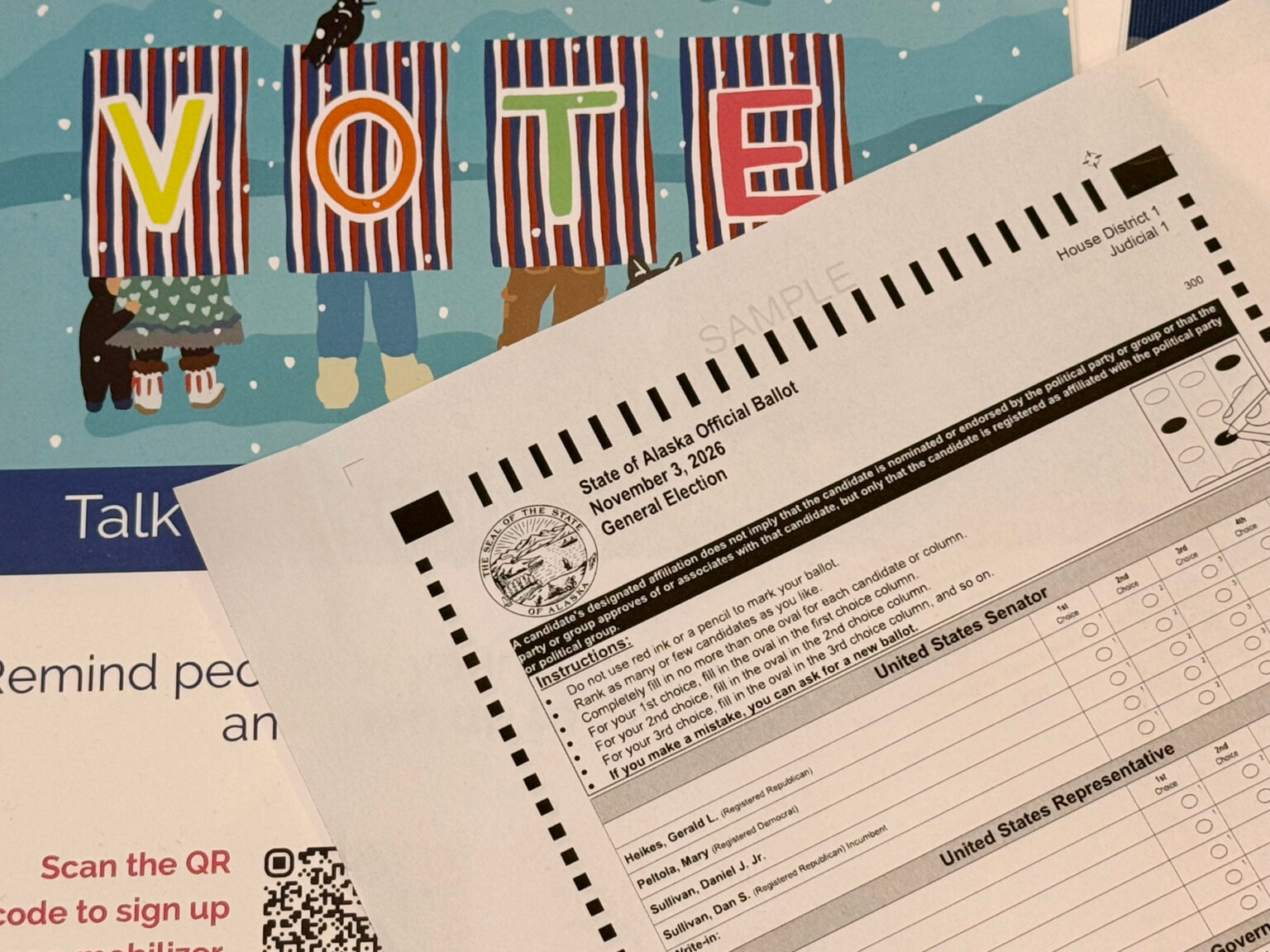
Under the state's open-primary and ranked choice voting format, both men appear on the ballot. The incumbent is designated as Dan S. Sullivan, listed as a Republican and incumbent, while his challenger appears as Daniel J. Sullivan Jr., a retired teacher from Petersburg running with no party affiliation. The Justice Department had previously sued to block certification of the election if the incumbent lost by a margin smaller than the votes gathered by Daniel J. Sullivan. In the updated filing, the department insisted that election officials must proactively segregate any ballots featuring rankings for Daniel J. Sullivan before counting concludes[1].

A Publicly Confirmed Criminal Investigation
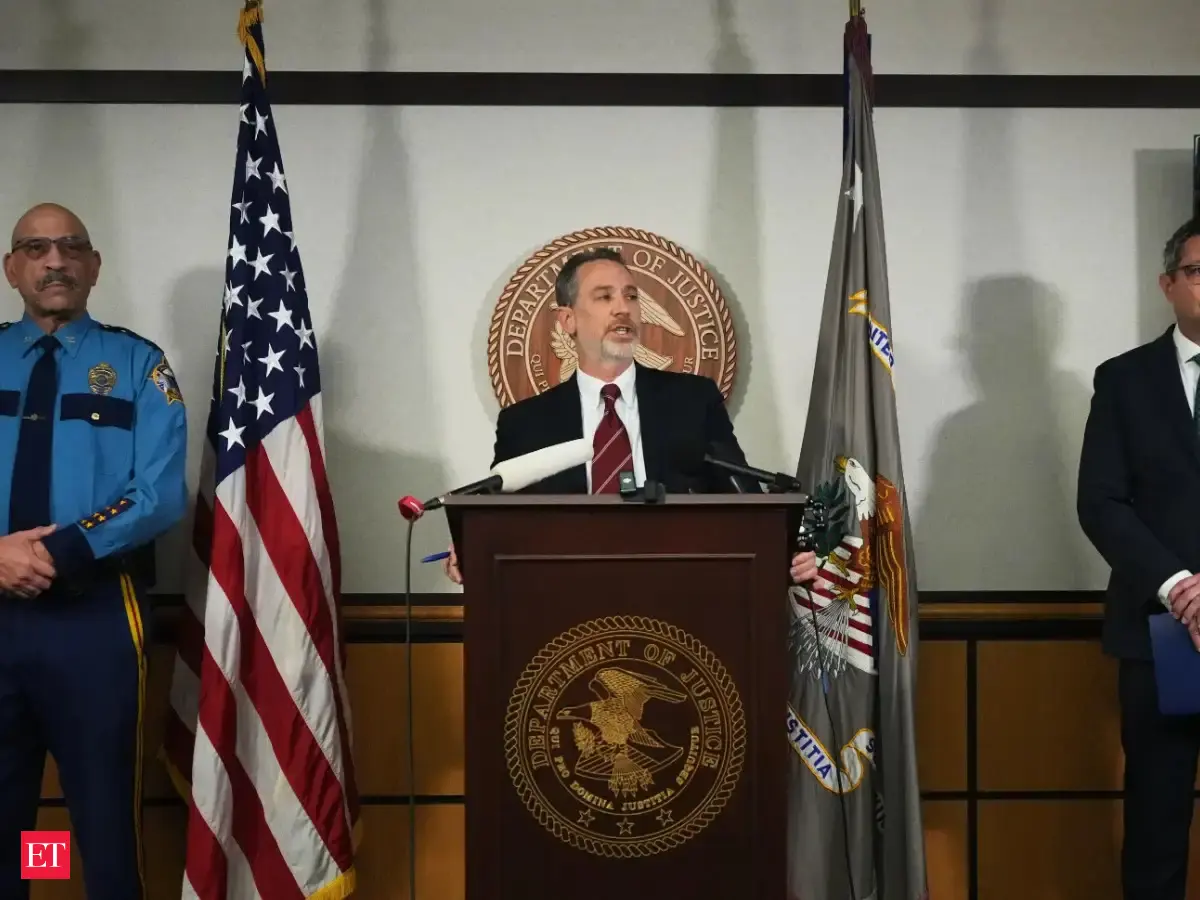
Compounding the civil friction, Alaska U.S. Attorney Michael Heyman confirmed during an Anchorage press conference that his office and the Federal Bureau of Investigation have opened a full-scale criminal probe. Federal investigators, Heyman announced, mounted a significant surge of law enforcement assets into Alaska over recent days.
The probe centers on whether political operatives engaged in an unlawful conspiracy to deceive voters by recruiting Daniel J. Sullivan to siphon support from the incumbent. According to reporting by The New York Times, internal campaign communications indicated that operatives tied to Peltola's campaign network discussed elevating a namesake candidate. Armed with those disclosures, federal prosecutors issued dozens of grand jury subpoenas seeking correspondence and internal documents from Democratic campaign officials.
The public nature of the investigation represents a startling departure from long-standing Justice Department conventions, which traditionally prohibit overt investigatory steps or announcements within sixty days of an election to prevent swaying the electorate. While President Donald Trump publicly called for investigations into his political rivals and acknowledged encouraging the legal offensive, Heyman told reporters that authorities were actively pursuing tips from the public while declining to identify specific criminal statutes or formal targets[9] [10].
The Campaign and State Defense
The Peltola campaign, national Democratic committees, and state election officials have reacted with sharp indignation, accusing federal authorities of weaponizing the justice system to suppress election outcomes and rattle voter confidence. Speaking to supporters in Juneau, Peltola unequivocally rejected any role in candidate manipulation.
I knew nothing about any other candidate on the ballot except for me and the incumbent. That is all I have ever known about. I am not interested in tricking voters.
Mary Peltola, Democratic U.S. Senate Candidate
Attorneys representing the State of Alaska moved swiftly to dismiss the federal government's lawsuit, urging U.S. District Judge Sharon Gleason to reject the ballot segregation demand outright. In their formal response to the court, state counsel highlighted basic technical and constitutional limitations that make isolating ballots legally fraught and mechanically unworkable:
- Ballot secrecy protections: Physical ballots deposited by voters are commingled anonymously inside secure ballot boxes on Election Day, making post-vote segregation without compromising voter confidentiality impossible under the Alaska Constitution[4].
- Ranked choice design: The state argued that ranked choice voting natively resolves confusion, because voters who favor the Sullivan name have the option to rank both candidates in order of preference.
- Clear ballot layout: Alaska election administrators already took administrative steps months ago to explicitly differentiate the candidates by printing the incumbent's party affiliation and officeholder status prominently on the ballot.
- Investigative limits: Even if ballots could be sorted, the state emphasized that an isolated paper ballot cannot decipher voter intent or reveal subjective rationale[4].
The Mechanics Behind the Controversy
To contextualize the fight unfolding before the bench, the competing positions of the federal government and state election officials highlight sharply conflicting views of voting rights and court authority.
| Issue | Department of Justice Position | Alaska State Officials Position |
|---|---|---|
| Ballot Handling | Demand court-ordered segregation of all ballots ranking Daniel J. Sullivan to preserve evidence for post-election review. | Ballots are commingled anonymously; physical segregation violates secret-ballot guarantees under the state constitution[4]. |
| Voter Confusion | Claims candidate duplication creates a substantial risk of tricking voters and distorting the general election outcome. | Argues candidate distinctions and ranked choice mechanics allow voters to navigate similar names without federal intervention. |
| Election Timetable | Demands urgent injunctive relief before Monday to alter ballot handling protocols before poll close[4]. | Asks the court to dismiss the lawsuit immediately to prevent disrupting administrative tabulations during voting. |
With Judge Gleason expediting the case schedule, election administrators across Alaska's vast precincts are preparing for final tallies while federal agents continue conducting interviews. Whether the court accedes to the government's demand or upholds the state's traditional balloting autonomy, the extraordinary convergence of federal law enforcement and election management ensures that the fight for Alaska's Senate seat will linger in the courts long after the final votes are cast.