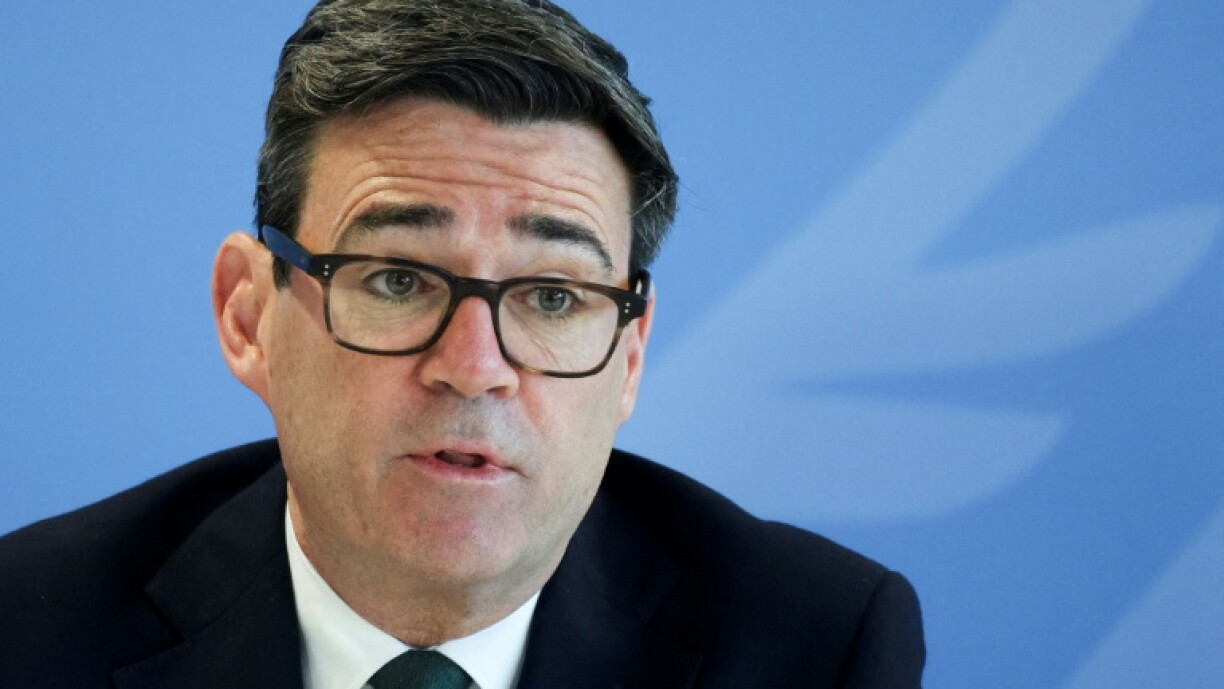
Prime Minister Andy Burnham has triggered an intense political dispute across Westminster after indicating openness to readopting free movement arrangements with the European Union. The intervention marks a major departure from the hard red lines that have defined British politics since the 2016 referendum, signaling a willingness to revisit reciprocal mobility rules as part of a wider push to revive economic growth and trade ties with Brussels[1] [3].
The debate comes ahead of a crucial UK-EU summit scheduled for November 20 in Brussels, where Downing Street intends to outline potential avenues for future cooperation. In an interview published by The Sunday Times, the prime minister argued that Britain must move past political dogma and examine the changing composition of migration following the country's formal departure from the bloc. While acknowledging the domestic friction that surrounded cross-border migration a decade ago, Burnham maintained that the historical reality of European mobility differed fundamentally from contemporary immigration patterns.
I think you have to have a very factual, quite evidence-based debate about this.
Andy Burnham, Prime Minister of the United Kingdom
Rethinking Post-Brexit Migration Dynamics
According to reporting from the Financial Times, the prime minister drew a direct contrast between the nature of continental migration under single market rules and the non-European migration that expanded rapidly under previous Conservative administrations. Burnham contended that free movement historically functioned largely on a temporary basis, providing reciprocal work and educational access that benefited British citizens alongside European workers[3].
Speaking to The Sunday Times, Burnham characterized pre-Brexit European migration as revolving-door migration where people would come and then go back, arguing that the demographic balance has shifted markedly since the introduction of points-based border controls. Data compiled by the Migration Observatory at the University of Oxford indicates that net migration of European Union citizens turned negative in 2022, with approximately 162,000 more European nationals departing the country than arriving between mid-2021 and 2025. Burnham maintained that confronting these figures directly is essential to forming sound policy rather than relying on lingering political taboos.

Cabinet Backing and the Shift Toward 2029
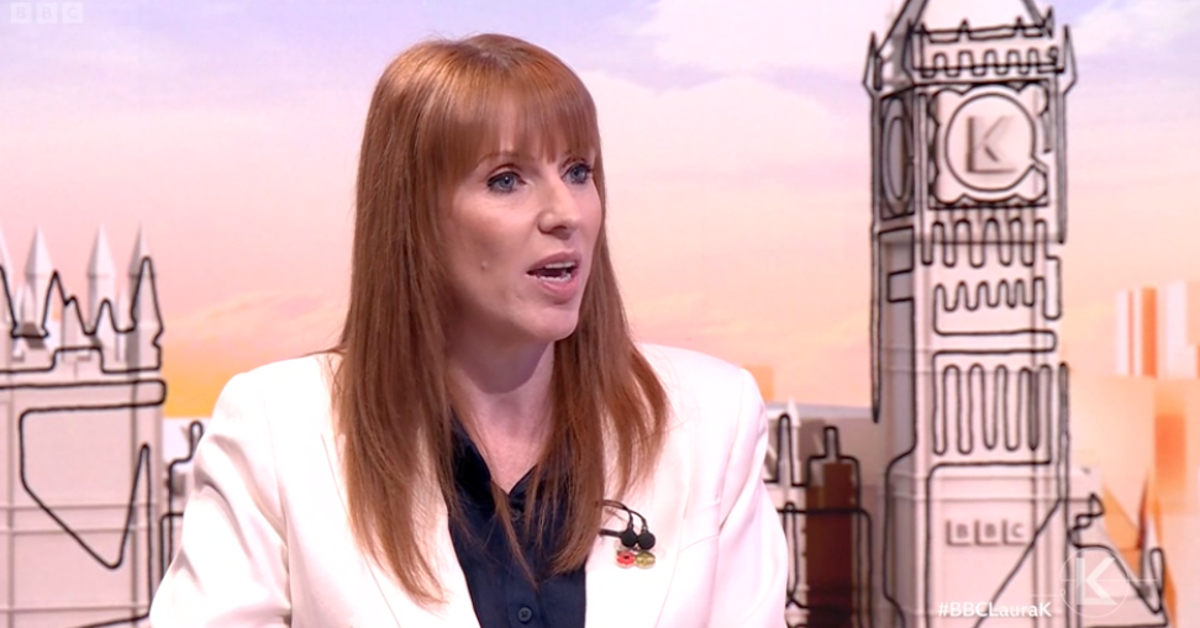
Senior figures across the cabinet moved swiftly to support the prime minister's remarks. Housing Secretary Angela Rayner defended the approach during appearances on Sky News and the BBC program Sunday with Laura Kuenssberg, framing Burnham's stance as an act of economic pragmatism rather than an ideological rerun of the 2016 campaign. Rayner highlighted the lingering commercial costs facing domestic industries, noting that British goods exports have dropped by roughly 20 percent amid customs friction and procedural red tape[7].
Rayner emphasized that while the administration remains committed to its 2024 general election manifesto throughout the current parliament, any long-term trade-offs between market access and mobility rules should ultimately be put before the electorate. Addressing viewers on the BBC, Rayner said:
The Prime Minister is clear that you can't take anything off the table when you're having a conversation.
Angela Rayner, Housing Secretary
Support for the review also emerged among pro-European parliamentarians. Stella Creasy, chair of the Labour Movement for Europe, told The Guardian that Britain has been long overdue for a mature examination of what mobility rules mean for domestic supply chains and domestic workers. Nevertheless, government officials have drawn clear limits around the scope of the dialogue. While single market options and customs alignments remain on the table, Burnham explicitly ruled out joining the eurozone single currency or entering the passport-free Schengen Area[1].
Domestic Backlash and Electoral Realities
Despite the Downing Street push, the suggestion of revisiting free movement faces formidable institutional and political resistance. Parliamentary members representing northern and Midlands constituencies have expressed private apprehension that floating changes to border policy risks alienating working-class voters who backed leaving the EU to curtail immigration numbers.
| Policy Domain | Labour 2024 Manifesto Line | Current Government Position |
|---|---|---|
| EU Free Movement | Expressly ruled out | Open to debate for post-2029 mandate |
| Single Market Membership | Ruled out | Explored as part of long-term review |
| Customs Union | Ruled out | Options under consideration |
| Schengen Area and Euro | Excluded | Categorically rejected |
Opposition parties have mounted an aggressive offensive against the remarks. Nigel Farage, leader of Reform UK, denounced Burnham's overture as a total betrayal of the referendum outcome. Appearing on the BBC, Reform UK Treasury spokesman Robert Jenrick condemned any step toward reinstating European mobility rules as completely irrational given current public concerns regarding demographic pressure and public service capacity[6].
Negotiating leverage in Brussels creates a secondary obstacle. EU leaders, including European Commission President Ursula von der Leyen, have consistently warned that single market benefits cannot be unbundled from the four core freedoms, which include people, goods, services, and capital. With the upcoming November gathering focusing on discrete files such as youth mobility schemes, food and drink safety standards, and emissions trading, Burnham's broader conversation serves primarily as the opening gambit in what promises to be a multi-year fight over the party's platform for the next general election.