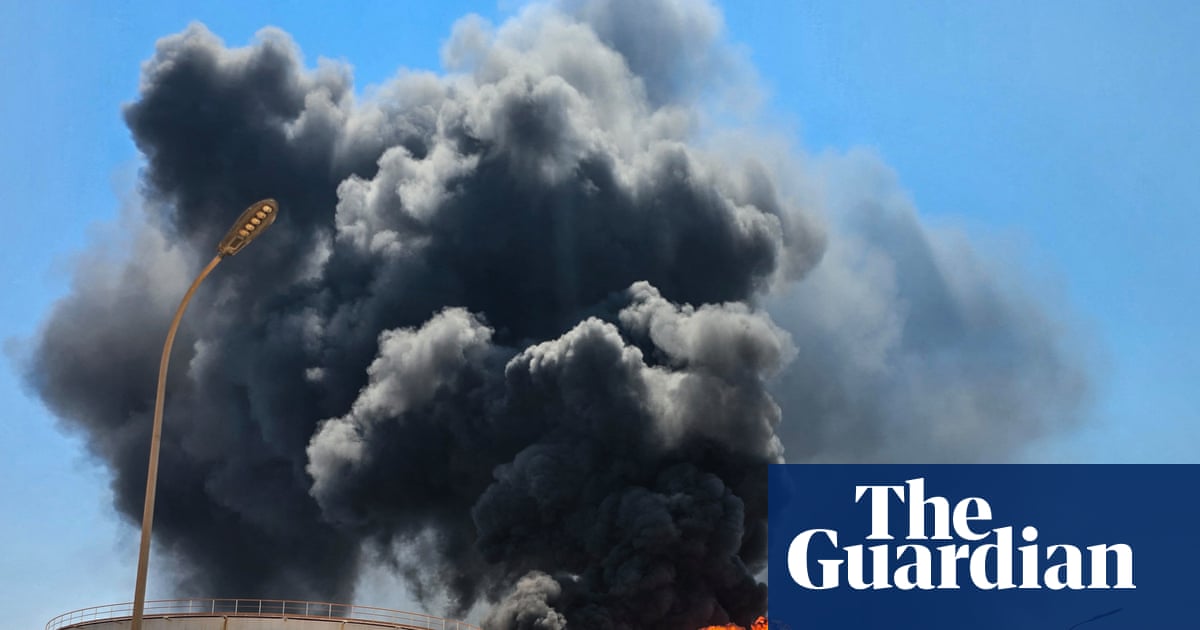
An ambitious, United States backed diplomatic initiative to unify Libya's bifurcated government and security apparatus has stalled following allegations that eastern military commander Saddam Haftar directed a covert drone campaign against western energy infrastructure. Officials within the Tripoli-based Government of National Unity (GNU) revealed that ongoing political cooperation with the eastern leadership has broken down after an intelligence investigation tied recent explosive attacks on fuel storage facilities and power generation plants directly to operatives under his supervision[1].
The disruption halts what had been the most tangible rapprochement in years between the rival factions that have partitioned the North African nation since the 2011 overthrow of Muammar Gaddafi. The fallout exposes the fragile foundations of external peace mediation in Libya, where critical energy assets frequently serve as both battlefield targets and instruments of political coercion[1].
The Zawiya Strikes and the Sabotage Investigation
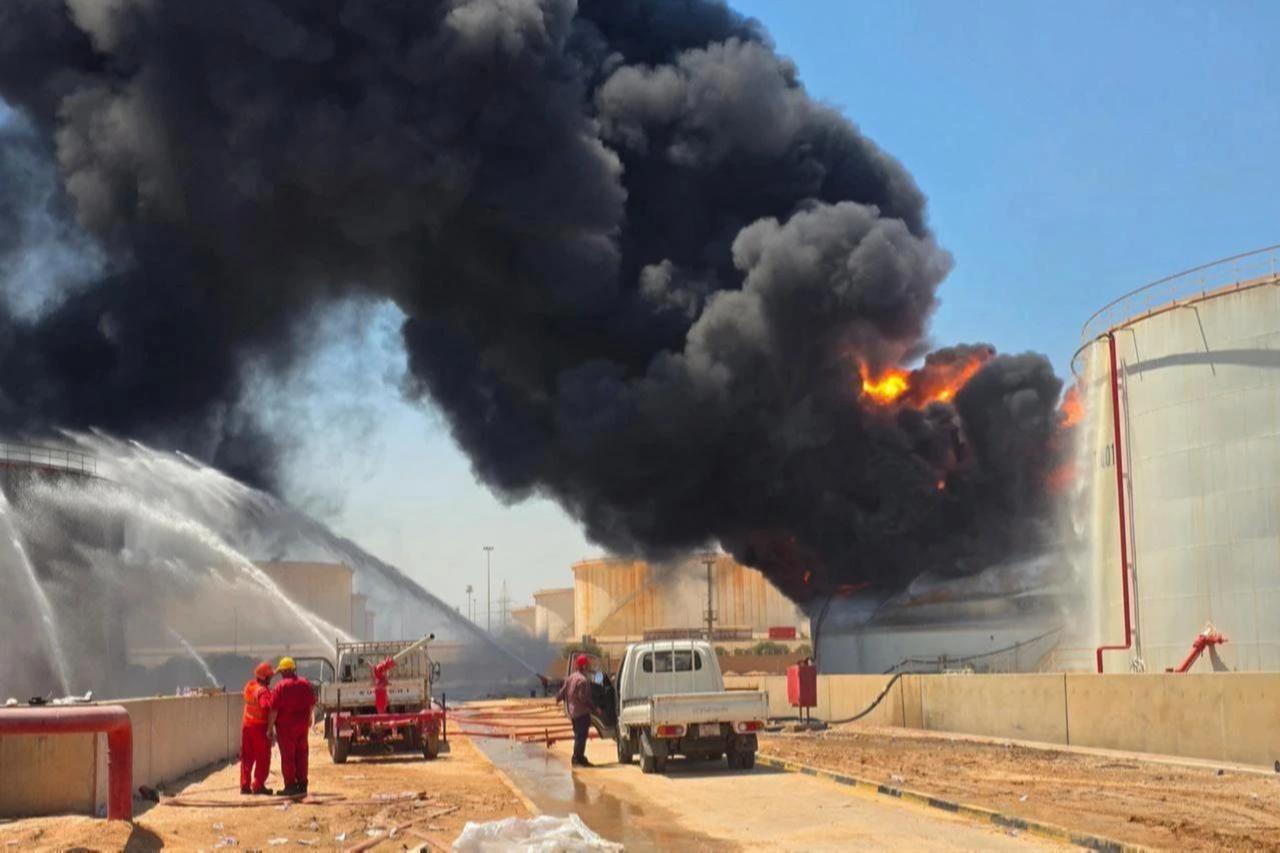
The immediate catalyst for the diplomatic rupture stems from a succession of remotely detonated drone incursions during August that targeted critical utility and petroleum sites in western Libya. The primary blow struck the coastal city of Zawiya, situated roughly 50 kilometers west of Tripoli, which hosts Libya's second-largest oil refinery with an operational refining capacity of approximately 120,000 barrels per day. According to statements from the Libyan Oil Ministry, a loitering drone struck a primary fuel storage tank operated by the state-run Brega Petroleum Marketing Company, igniting an inferno that destroyed roughly 4.5 million liters of gasoline and collapsed the container.
Parallel strikes struck water utility infrastructure and power plants across Zawiya and southern Tripoli, dramatically worsening chronic summer electricity blackouts and intensifying civic anger directed at the administration of Prime Minister Abdul Hamid Dbeibah. In early September, as reported by the Turkish news agency Anadolu, the GNU Defense Ministry announced the arrest of five individuals, including foreign nationals, accused of forming an organized sabotage network[5].
While western Libyan authorities initially withheld details regarding the sponsors of the plot, subsequent findings shifted the blame toward the eastern military hierarchy. The Guardian reported that interrogation records and internal security findings led Tripoli investigators to conclude the operatives were acting under the direct authority of Saddam Haftar, the deputy commander of the eastern-based Libyan National Army (LNA) and the influential son of field marshal Khalifa Haftar. GNU officials described the evidentiary link as a definitive breach of trust.
No formal decision has been made, but in light of what has been discovered it is impossible to work with Saddam.
GNU sources to The Guardian
Collapse of the Boulos Power-Sharing Initiative
The timing of the revelations has effectively paralyzed a political project driven by Massad Boulos, the senior advisor on Arab and African affairs to former U.S. President Donald Trump. The framework aimed to bypass years of parliamentary gridlock through an elite power-sharing structure. Under the blueprint outlined by Boulos, Khalifa Haftar was slated to assume the presidency, while a political figure allied with the Dbeibah family would retain the premiership in Tripoli.
Western diplomats had viewed Saddam Haftar as an indispensable partner capable of commanding security units across the south and east, hoping to integrate disparate armed factions into a synchronized national command. The diplomatic effort had quietly progressed through direct backchannel negotiations, including an Abu Dhabi summit where Saddam Haftar met with GNU Deputy Defense Minister Abdul Salam Al-Zoubi[7].
That momentum has evaporated. Security analysts and regional reporting indicate that the aerial attacks on western utilities were triggered by eastern frustration over perceptions that Dbeibah was intentionally dragging out implementation of the compromise. Accusations that western Libyan factions were covertly encouraging southern tribal groups to resist LNA units further inflamed tensions, transforming fragile diplomatic negotiations back into kinetic confrontation[1].
Infrastructure as a Geopolitical Lever
The targeting of the Zawiya fuel complex underscores the systemic vulnerability of Libya's energy sector, which remains the lifeblood of the domestic economy and an indispensable crude supplier to southern Europe. Weaponized commercial drones and precision munitions have proliferated among both eastern and western actors, providing factions with cheap, asymmetric tools to hold vital infrastructure hostage without launching full-scale ground offensives.
| Facility Target | Location | Damage Sustained | Strategic Impact |
|---|---|---|---|
| Zawiya Oil Complex | 50 km west of Tripoli | Gasoline storage tank destroyed (4.5M liters lost) | Constrained regional fuel distribution; secondary refinery disruption |
| Zawiya Generation Units | Zawiya District | Electrical transmission and water stations struck | Triggered severe civilian power outages across Tripolitania |
| Tripoli Power Facilities | South Tripoli corridor | Direct hits on peripheral storage; further plots intercepted | Strained national grid stability; sparked protests against the GNU |
The targeting of refining infrastructure has historically served as a pressure tactic in internal disputes over state finances. While Khalifa Haftar famously blockaded oil export terminals during his 2019 assault on Tripoli to choke national revenue, targeted drone sabotage represents a more calibrated strategy designed to instigate public unrest within rival territory without prompting immediate international sanctions[1].

Diverging Narratives and Lingering Uncertainties
Despite the severe political repercussions, significant evidentiary ambiguities persist. The LNA General Command in Benghazi has not formally commented on the findings released in Tripoli, and representatives associated with the Haftar family have consistently dismissed accusations of sabotage as politically motivated fabrications manufactured by rivals seeking to deflect accountability for civic infrastructure failures.
Independent security observers note that eastern Libya has concurrently endured its own internal security tremors. In mid-August, as documented by Reuters and The National News, Brigadier General Fawzi Al-Mansouri, the chief of military intelligence for Haftar's forces, was killed when a vehicle bomb detonated outside his Benghazi home. Although no formal links between the Benghazi assassination and the western drone campaign have been established, the cross-country violence suggests that internal maneuvering, tribal resistance, and factional scores continue to dictate terms on the ground[8].
With official lines of communication severed between the Dbeibah administration and Saddam Haftar, the prospect of unifying Libya's military institutions or holding overdue national elections appears more distant than at any point over the past year. By treating vital municipal grids and refining facilities as acceptable collateral in political bargaining, the rival factions have once again demonstrated that national reconciliation cannot simply be negotiated from the top down.