
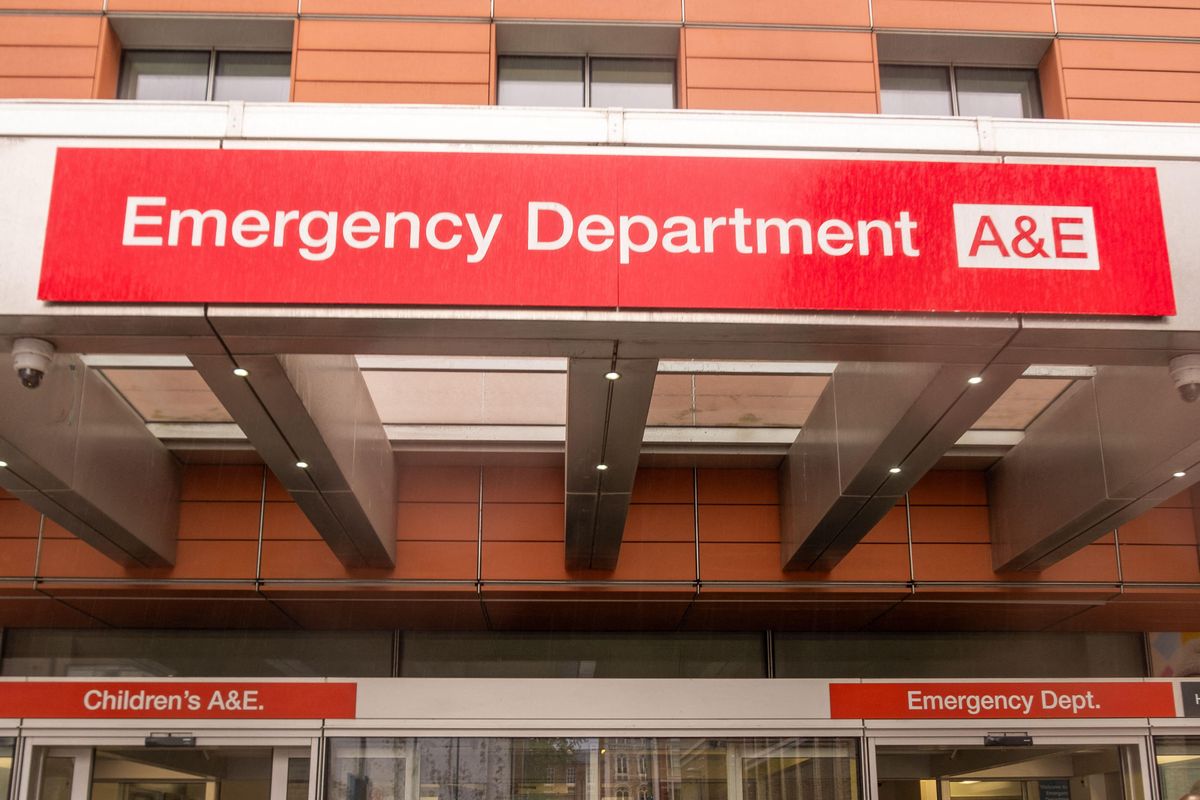
Patients, relatives, and frontline healthcare workers across England will soon hold the formal right to demand an urgent second clinical opinion inside every hospital emergency department. NHS England announced the national expansion of Martha's Rule to accident and emergency units, extending the critical care safety net from inpatient hospital wards directly into emergency waiting rooms. The move represents a major structural shift in how urgent care assesses clinical deterioration, ensuring that escalating concerns raised by families cannot be overridden by attending clinical teams[1].
Under the policy, hospital emergency departments must advertise and maintain a dedicated telephone helpline operational 24 hours a day, seven days a week. Anyone who fears a patient is deteriorating without adequate medical attention can trigger a rapid clinical review from an independent team, typically drawn from critical care outreach specialists. Health officials confirmed that the phased rollout across emergency rooms will conclude by March 2028, following earlier expansions across inpatient wards and maternity units.
From Personal Tragedy to Systemic Clinical Reform
The policy bears the name of Martha Mills, who died in 2021 at the age of 13 after suffering from untreated sepsis following a cycling accident that injured her pancreas. While she was admitted under specialist care at King's College Hospital NHS Foundation Trust in south London, her parents repeatedly warned doctors and nurses that her condition was worsening. A subsequent coroner's inquest found that clinicians missed vital warning signs of septic shock and concluded that Martha would have survived had she been moved to the paediatric intensive care unit in time[4].
Martha's parents, Merope Mills and Paul Laity, spent years campaigning to ensure that no family faced similar dismissals when advocating for a dying child. As reported by The Guardian, where Mills works as a senior editor, Martha would have turned 19 this month. Their relentless public advocacy prompted the initial 2024 pilot of the rule across 143 hospital sites, gradually expanding to every acute inpatient hospital and maternity ward before reaching emergency services.
A&Es see some of our most vulnerable patients, so the ability to raise concerns about deterioration quickly and trigger a rapid review of care is essential.
Professor Aidan Fowler, National Director of Patient Safety at NHS England
Professor Fowler described the emergency rollout as a critical new lifeline that will tackle entrenched hierarchical clinical cultures, empowering junior staff and relatives alike to challenge senior diagnostic assumptions when a patient slips downhill.

Data from Inpatient Wards and Emergency Pilots
Health authorities point to empirical evidence showing that patient-led escalation hotlines prevent catastrophic clinical declines. Over the first 16 months of Martha's Rule operating across inpatient wards, helplines recorded more than 10,000 calls, potentially saving 446 lives, according to official figures released by NHS England. Calls frequently prompted immediate prescription of critical antibiotics, diagnostic scans, or direct admissions to intensive therapy units[1].
To determine whether the escalation model could function inside volatile and overcrowded emergency environments, NHS England conducted an eight-month pilot program across seven acute hospital trusts. Data gathered during that trial confirmed that the safety mechanism was both necessary and operative in high-turnover clinical zones[2]:
- Trial sites logged 69 calls directly from emergency departments and waiting rooms.
- Several reviews triggered immediate emergency surgeries that clinical teams had not initially scheduled[3].
- Multiple patients received immediate transfers to intensive care or high-dependency units following independent evaluations.
- July 2026 recorded a national monthly high of 1,678 calls across all participating hospital departments, underscoring rising patient awareness.
The Three Pillars of Martha's Rule
The operational framework of Martha's Rule rests on three standardized obligations designed to catch physical deterioration before organs fail. First, medical staff must record structured, daily assessments that directly ask patients or their families how they feel their condition is progressing. Second, doctors and nurses are explicitly protected and encouraged to request second opinions from external critical teams if they disagree with an attending consultant's treatment plan. Third, patients and their relatives retain independent telephone access to critical care outreach teams via posters and leaflets displayed openly across waiting bays[8].
| Implementation Phase | Clinical Settings Covered | Target Completion |
|---|---|---|
| Phase 1 | Acute inpatient hospital wards (143 pilot sites) | April 2024 |
| Phase 2 | All acute inpatient hospitals and maternity units | June 2026 |
| Phase 3 | Every emergency department (A&E) and waiting area | March 2028 |
Baroness Merron, the health minister, stated that cementing these rights across all emergency care settings is central to national efforts to restore trust in the health service and reduce avoidable hospital mortality[3].
Frontline Realities and Capacity Constraints
While patient advocacy groups and healthcare leaders widely welcomed the announcement, the policy arrives amid severe systemic pressures across English emergency departments. Emergency medicine leaders caution that critical care outreach teams, who respond to callouts, must be adequately staffed to prevent severe delays in responding to hotline escalations. With thousands of patients waiting hours on trolleys or in ambulatory corridors, critical care nurses and outreach doctors will need clear operational pathways to triage genuine emergencies without diverting staff from actively coding patients.
NHS leaders such as Matthew Hopkins noted broad institutional backing for the reform, emphasizing that giving vulnerable patients a voice remains non-negotiable. However, health policy analysts stress that the ultimate success of extending Martha's Rule across emergency departments will depend not merely on hanging helpline posters in waiting rooms, but on whether strained acute trusts possess the workforce required to answer the phone and arrive at the bedside immediately.