Executive Departures Continue Ahead of Anticipated IPO
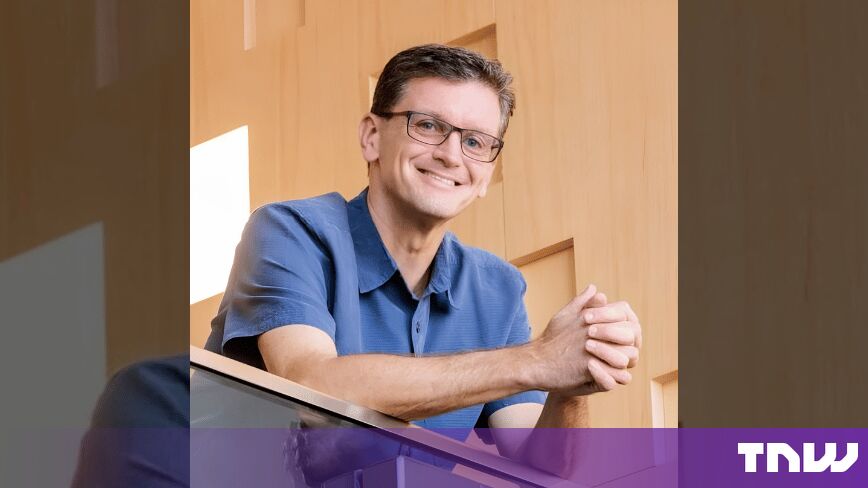
OpenAI has seen a significant wave of executive departures in 2026, with Chris Malone, its head of data centers, being the latest high-profile exit. Malone, who joined OpenAI in March 2025, departed last week after 17 months with the company. His departure adds to a growing list of senior leaders who have left OpenAI this year, including former Chief Operating Officer Brad Lightcap, Chief Revenue Officer Denise Dresser, and Fidji Simo, who served as second-in-command to CEO Sam Altman. These exits occur as OpenAI prepares for a potential public listing, now anticipated in 2027.
The string of departures, totaling at least seven senior executives since April, has drawn attention, with analysts noting that such a cluster of C-suite exits is unusual in the months leading up to an IPO. OpenAI's Chief Financial Officer, Sarah Friar, informed staff last week that the company aims to go public by 2027, or potentially sooner if growth accelerates. This period of leadership change also follows a reorganization of OpenAI's infrastructure organization earlier in 2026, where Malone's reporting line was shifted away from President Greg Brockman to Vice President Sachin Katti.
Strategic Pivot in Data Center Development
Malone's departure coincides with a notable shift in OpenAI's data center strategy. The company is reportedly moving away from its previous focus on building out its own data centers, a program known as Stargate, towards primarily leasing entire facilities. Malone had been instrumental in overseeing OpenAI's infrastructure plans, including a projected compute investment target of $600 billion by 2030, later revised to $750 billion through 2030. The Stargate initiative, a joint venture with Oracle and SoftBank, aimed to construct the massive computing capacity required for OpenAI's models, with a flagship site planned for Abilene, Texas.
However, the Stargate effort reportedly faced a rocky start, leading OpenAI to initially favor deals with cloud providers over self-development. The renewed emphasis on leasing whole facilities indicates a strategic pivot, allowing OpenAI to acquire computing capacity faster and potentially with reduced risk compared to direct construction. This new leasing effort is now being led by other executives within the company, not Malone. For instance, OpenAI recently signed a 10-gigawatt data center lease in Ohio with SoftBank's SB Energy, a deal partly backed by a Nvidia financial guarantee of up to $105 billion.
Infrastructure Reorganization and New Leadership
The role previously held by Malone has not remained a single position; instead, OpenAI has broken up the responsibilities and made leadership changes within its infrastructure team. The company has appointed a Chief Technology Officer for computing capacity, and other individuals are now spearheading the revived initiatives to lease entire facilities. In July, Uday Ruddarraju was elevated to Chief Technology Officer of computing capacity, reporting to President Greg Brockman. Brent Mayo, who joined from Elon Musk's xAI earlier this year, reports to Ruddarraju and is responsible for keeping OpenAI's computing projects on schedule. Both Ruddarraju and Mayo were key figures in building Musk's Colossus supercomputer cluster.
This restructuring underscores OpenAI's commitment to scaling its computing power despite the executive turnover. The company has stated that it has a strong and experienced data center team with clear leadership and the technical expertise to execute its ambitious plans. The executive reshuffling and strategic adjustments are occurring as OpenAI dramatically expands its compute ambitions, with projected spending on computing power reaching hundreds of billions of dollars through the end of the decade.