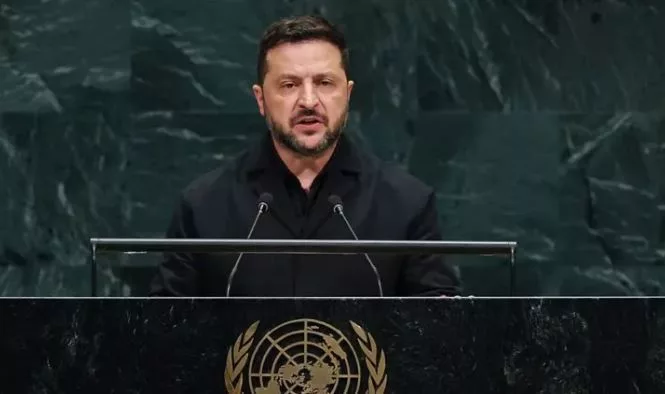
A severe diplomatic rift opened between Seoul and Kyiv on Monday after South Korea summoned Ukraine's top envoy to formally protest the public disclosure of a prisoner transfer involving two captured North Korean soldiers. South Korean officials accused Ukrainian President Volodymyr Zelenskyy of breaching an explicit confidentiality agreement by announcing at the United Nations General Assembly that the captured troops had been quietly flown to South Korea[3].
The diplomatic friction marks a sudden deterioration in relations between two governments that share an adversarial interest in the burgeoning military alliance between Moscow and Pyongyang. While Ukraine celebrated the transfer as evidence of North Korea's direct combat participation alongside Russia, the disclosure triggered instant backlash across South Korea's political spectrum, placing the government in Seoul under intense domestic and geopolitical strain.
The Diplomatic Summons and Breach of Trust Allegations
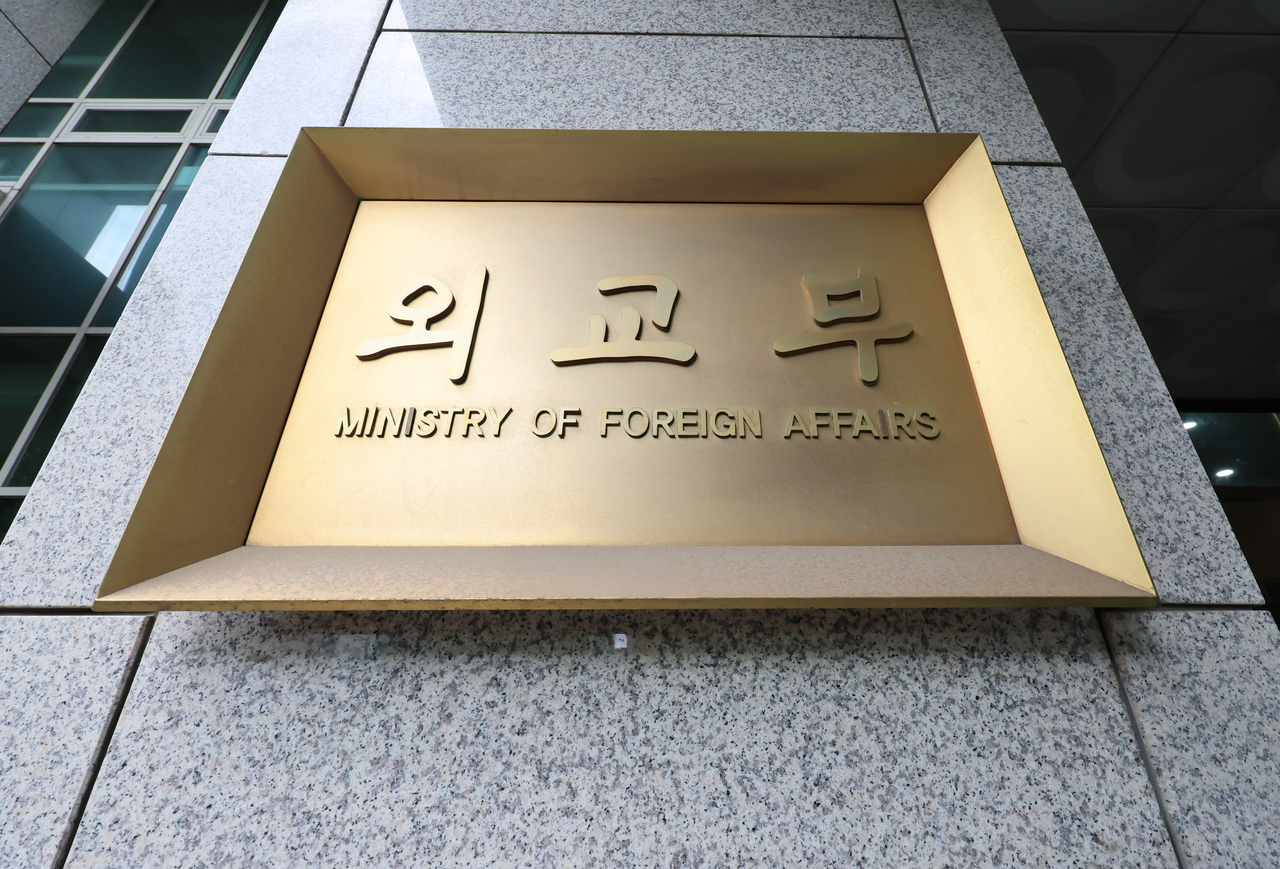
South Korea's First Vice Foreign Minister Park Yoon-joo called in Andrii Vieshkin, Ukraine's chargé d'affaires and acting ambassador in Seoul, to lodge a stern diplomatic complaint. According to a statement issued by the South Korean Foreign Ministry, Park expressed deep regret over Kyiv's unilateral disclosure and strongly contested Ukraine's later denials that a secrecy agreement was in place. Vieshkin said he would convey Seoul's concerns back to Kyiv, the ministry said.[4]
The confrontation follows days of escalating statements from Seoul. Senior presidential adviser for public relations Seong Ghi-hong announced that Seoul is demanding an official explanation and formal apology from the Ukrainian presidency. Addressing reporters, Seong characterized Ukraine's position as a serious breach of intergovernmental goodwill.
an act that seriously undermines trust between the two governments and causes significant damage to friendly relations between the two countries.
Seong Ghi-hong, Senior Presidential Secretary for Public Relations
South Korean President Lee Jae-myung had initially raised concerns via social media while traveling in Mexico, describing prisoner repatriation as an extremely delicate topic carrying far-reaching national security ramifications for the Korean Peninsula. Lee maintained that both governments had explicitly pledged to keep the transfer out of public view.[8]
Zelenskyy's UN Address and Ukraine's Rebuttal
The row began during high-level speeches at the United Nations General Assembly in New York, where President Zelenskyy dedicated part of his speech to recounting the battlefield capture of foreign fighters. Zelenskyy told delegates that Ukrainian forces had transferred two North Korean prisoners of war to the Republic of Korea, explaining that the troops were taken alive during fighting in Russia's Kursk region in early 2025.
Kyiv swiftly pushed back against South Korea's accusations of bad faith. Dmytro Lytvyn, a communications adviser to President Zelenskyy, rejected Seoul's version of events in a post on social media, writing plainly that no such confidentiality agreement was ever concluded between the two administrations. The Ukrainian presidency appeared to see the public confirmation as vital proof to rally international support against the deployment of thousands of North Korean soldiers to bolster Russian trench lines.[4]
Yet Seoul maintains that the operational secrecy had served mutual interests. South Korean officials explained that Kyiv had sought quiet diplomacy to avoid domestic outcry over giving away captured foreign fighters instead of trading them directly for Ukrainian personnel held in Russian detention. In return, Seoul needed discretion to protect the repatriated soldiers' relatives from retaliation back home in North Korea.
The Dilemma Over Captured North Korean Soldiers
The fate of North Korean soldiers captured in eastern European combat zones has tested the limits of international humanitarian law and Asian regional security. Under South Korea's constitution, all people residing across the Korean Peninsula are legally considered citizens of the Republic of Korea. Consequently, when North Korean service members captured abroad express a wish to defect rather than face repatriation to Pyongyang, Seoul faces a legal and moral obligation to accept them.
The following factors illustrate why handling North Korean combat defectors presents unique operational hurdles compared to traditional European prisoner exchanges:
- Asylum versus Repatriation: The captured soldiers voiced dread over execution or labor camp imprisonment if returned to Pyongyang, formally requesting sanctuary in the South.[3]
- Retaliation Risks: North Korean state security often subjects the immediate families of military defectors to internal exile, penal labor, or collective punishment.
- Domestic Hostage Trades: The Ukrainian public has prioritized prisoner swaps that return captured Ukrainian servicemen, creating political hazards for Kyiv whenever foreign troops leave custody outside prisoner-for-prisoner exchanges.[1]
- Legal Status: The troops were deployed under bilateral Moscow-Pyongyang arrangements with fraudulent Russian papers, complicating standard third-party processing under the Geneva Conventions.
Widening Repercussions for Seoul and Kyiv
The clash has instantly reverberated through South Korea's domestic political landscape. Conservative opposition lawmakers accused the Lee Jae-myung administration of showing weakness toward Pyongyang and seeking to suppress the soldier transfer to avoid provoking North Korean leader Kim Jong Un. The administration's critics argued that defection assistance should be handled transparently as a triumph of South Korean constitutional principles rather than shrouded in secrecy.[3]
Internationally, the incident threatens to further freeze diplomatic cooperation between Seoul and Kyiv. Ukraine has long pressed South Korea to supply lethal military hardware, including advanced artillery shells and Patriot air defense interceptor systems, capitalizing on South Korea's robust domestic defense manufacturing sector. South Korea has consistently maintained a strict policy barring the direct export of lethal weapons to active war zones, limiting its assistance to humanitarian aid and non-lethal equipment.
With presidential aides in Seoul warning that additional measures are under active review if an apology is not forthcoming, the public spat risks pushing the two countries further apart at the precise moment their security interests converge against an assertive Russia-North Korea axis.
Video
South Korea demands Ukraine's apology over disclosure of North Korean POW transfer →