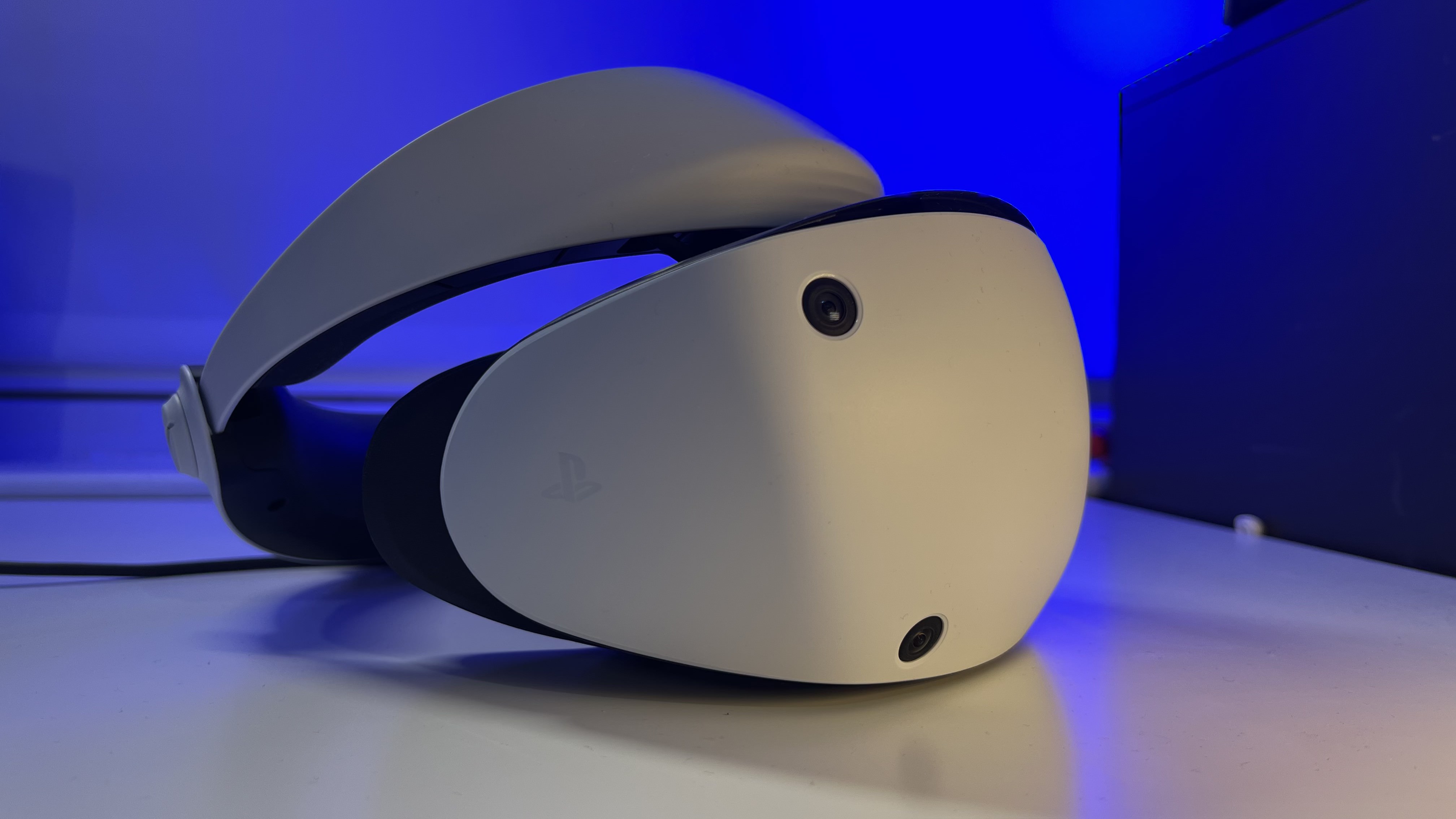
Public records maintained by the United States Patent and Trademark Office reveal that Sony Group Corporation has executed a substantial transfer of extended reality patents to Meta Platforms. The transaction, which stems from a broader assignment agreement structured late last year, signals a decisive strategic retreat by the Japanese entertainment giant from consumer virtual and augmented reality hardware[1].
The deal delivers a rich library of specialized hardware and display innovations directly to the owner of the market-leading Meta Quest line. By relinquishing intellectual property accumulated across more than a decade of research and development, Sony is effectively conceding the hardware race in spatial computing, leaving Meta to consolidate its technical dominance across both standalone virtual reality headsets and next-generation smart glasses.
Inside the 419-Patent Agreement
The patent movement came to light through filings spotted by ZDNet Korea and subsequently documented by industry outlets including VGC and Road to VR. Records at the United States Patent and Trademark Office show that 43 domestic patent properties were formally reassigned to Meta in batches between June and September of this year, broken into two assignments in June, twenty in July, and twenty-one in September[7].
Those domestic filings represent only the initial phase of a much wider cross-border transaction. Under the Confirmatory Assignment agreement struck between the companies in December 2025, Sony agreed to transfer ownership of 419 patents worldwide. While 180 of these properties reside in the United States, the remaining 239 cover technical protections secured across patent authorities in Japan, China, South Korea, and Europe.
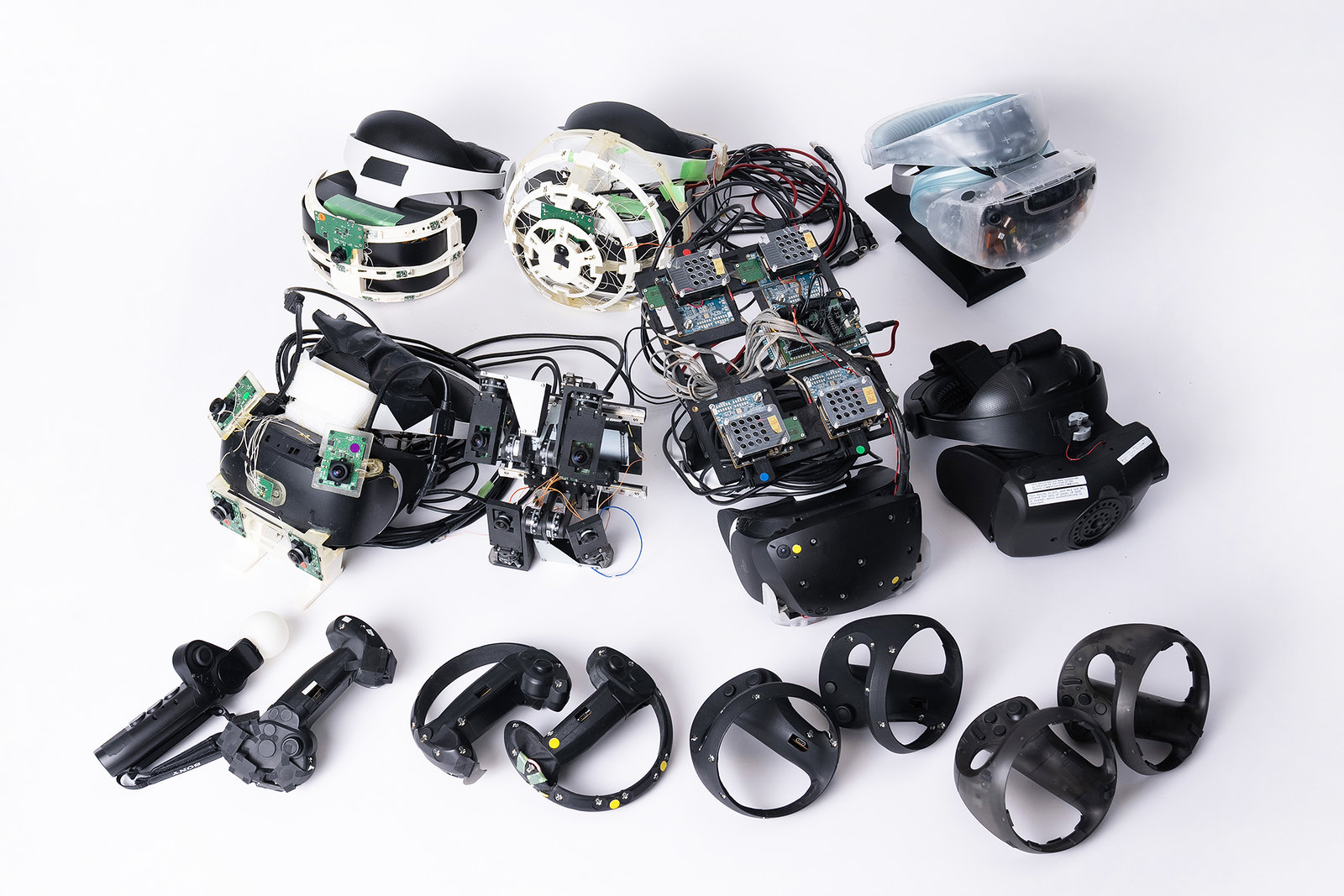
The intellectual property portfolio spans inventions developed between 2010 and 2022. This timeline encompasses the entirety of Sony exploratory era for the original PlayStation VR through the core engineering phases that produced the PlayStation VR2. The catalog includes claims on head-mounted display ergonomics, optical lens alignments, tracking mechanisms, and dedicated spatial information processing methods[5].
The Slow Fading of PlayStation VR2
For gaming and hardware analysts, the patent sale serves as the institutional postscript to a device that struggled to establish commercially viable momentum. Sony launched the PlayStation VR2 in February 2023 with an aggressive price tag of $549.99, surpassing the baseline cost of the PlayStation 5 console required to power it. While reviewers widely praised the hardware for its dual OLED displays, eye-tracking precision, and foveated rendering capabilities, the accessory faced immediate headwinds.
First-party software support arrived at a trickle. Sony anchored the launch with Horizon Call of the Mountain, but published only one other bespoke first-party title for the platform, the tactical shooter Firewall Ultra, which shut down within months after its developer closed. Despite notable VR modes retrofitted into Gran Turismo 7 and Capcom Resident Evil entries, third-party developers largely hesitated to make the substantial capital investments necessary for exclusive PSVR2 experiences[1].
Signs of internal deprioritization escalated rapidly over the following two years. Sony enacted retail price cuts exceeding 30 percent in an effort to clear inventory, paused manufacturing runs during periods of oversupply, and eventually released an official PC adapter in 2024 to allow owners to connect the peripheral to SteamVR platforms. Releasing a dongle that bypassed the PlayStation ecosystem altogether was viewed across the gaming sector as an admission that the headset could no longer sustain a closed, platform-exclusive software model.
Strategic Impact on Meta Hardware Portfolio
For Meta, absorbing hundreds of established Sony patents offers both offensive and defensive benefits. The parent company of Facebook operates under significant fiscal scrutiny regarding its Reality Labs division, where restructuring efforts earlier this year included layoffs across mixed-reality hardware units. Yet Meta Chief Executive Mark Zuckerberg has maintained a relentless deployment schedule for head-worn consumer electronics[6].
The patents bolster Meta intellectual property fortress as it navigates aggressive competition from rival consumer tech companies and prepares future form factors. In particular, Sony engineering heritage in high-density microdisplays, optical coatings, and wearable weight distribution provides Meta with established legal safeguards and practical industrial solutions.
| Metric / Detail | Sony VR Trajectory | Meta XR Strategy |
|---|---|---|
| Hardware Focus | Tethered console peripheral, legacy PS VR2 | Standalone Quest headsets, lightweight XR glasses |
| Patents Acquired / Sold | 419 patents transferred globally (180 U.S.) | Absorbed 419 global patents across 4 regions |
| Ecosystem Model | Console walled garden opened to PC adapters | Meta Horizon OS licensed to third-party OEMs |
| Primary R&D Period | Heavy development from 2010 through 2022 | Continuous annual capital spend via Reality Labs |
The transaction strengthens Meta patent portfolio at an opportune moment, especially as the company works to scale ultra-slim mixed-reality spectacles that require precise ocular packaging identical to Sony earliest optical patents.
Corporate Intent and Lingering Ambiguities
While the transfer demonstrates a dramatic pullback, industry legal observers emphasize that several questions remain regarding the exact scope of the corporate carve-out. Neither Sony nor Meta has responded to public inquiries or published financial terms detailing how much capital changed hands in the December 2025 contract[4].
Furthermore, analysis of USPTO assignment manifests by legal observers shows that the transfers were executed specifically by parent firm Sony Group Corporation rather than the gaming subsidiary Sony Interactive Entertainment. In certain filings, Sony assigned an undivided interest, a technical mechanism that sometimes leaves the assignor with residual internal rights or cross-licensing protections rather than a total operational forfeiture. Sony also remains active in specialized enterprise visualization tools, maintaining products like its XYN spatial-content creator line.
What the transaction almost certainly closes, however, is any near-term prospect of a dedicated PlayStation VR3. Stripped of the primary patents governing its tracking, optics, and head-mounted display interfaces, PlayStation hardware division appears fully reoriented around standard console revisions, cloud delivery, and core television-based gaming[5] [12].