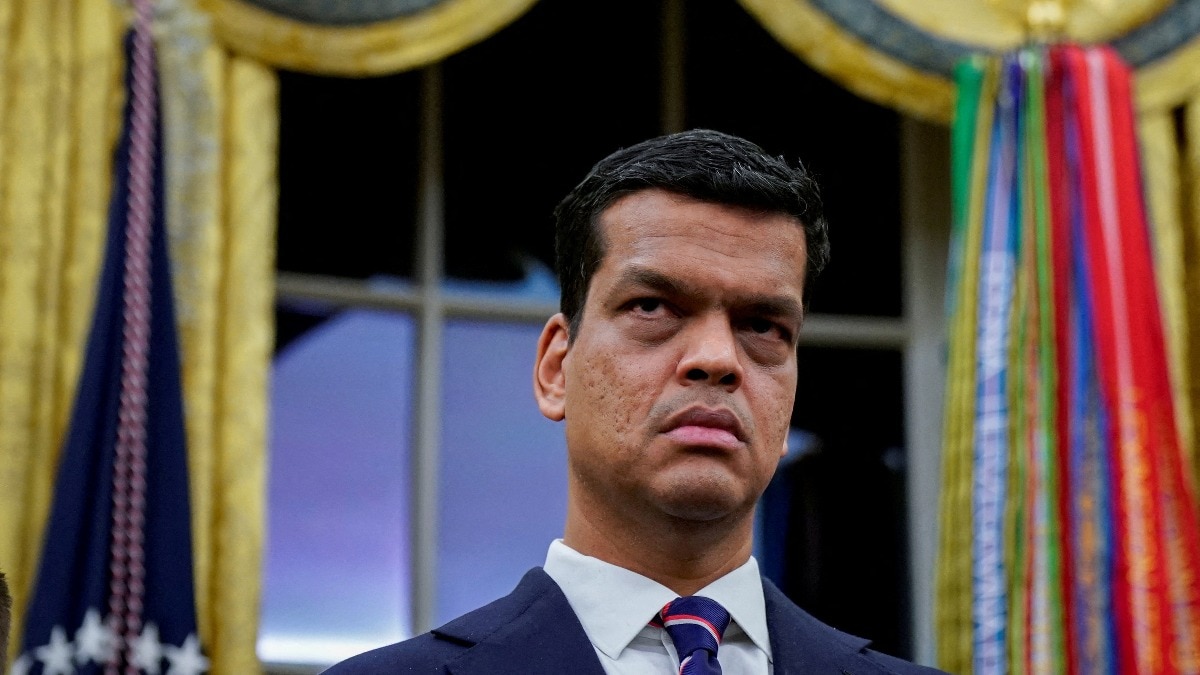
A Pivotal Figure's Departure from the White House
Sriram Krishnan, the influential White House senior policy advisor for Artificial Intelligence, is set to conclude his tenure at the end of June after 18 months of service. Krishnan, an Indian-American technology investor and former partner at Andreessen Horowitz, played a critical role in shaping the Trump administration's AI strategy. His departure was announced via a post on X, where he expressed the immense privilege of serving the American people.
White House spokesman Kush Desai affirmed Krishnan's vital contributions, stating that he has been a "critical asset" in President Trump's efforts to secure American dominance in technology and innovation. Desai also indicated that the administration looks forward to continuing to collaborate with Krishnan in his new venture. Krishnan's exit comes at a time when artificial intelligence is increasingly viewed as both a significant economic opportunity and a national security challenge.
Shaping America's AI Landscape
During his time in the White House, Krishnan was a key architect of the administration's "AI Action Plan," a blueprint designed to reduce regulation of emerging technology and promote the development of data centers across the country. He was also instrumental in drafting an executive order that sought to limit states' ability to regulate AI. These efforts to advance a light-touch approach to AI sometimes created friction between Krishnan and his allies in Silicon Valley and more populist supporters of Trump.
Krishnan's influence extended to international diplomacy, as he was part of White House delegations to international summits in France and India. He also participated in trips where President Trump highlighted tech deals, including visits to the Middle East and Britain. Furthermore, Krishnan was involved in crafting executive orders aimed at facilitating exports of U.S. technologies, boosting data center infrastructure, and addressing "woke" artificial intelligence, which sought to counter perceived liberal political bias in AI tools.
Future Endeavors: A New Institution for AI Policy
Following a brief break, Krishnan intends to establish an outside institution dedicated to influencing technology policy and addressing major AI-related challenges facing the United States and its allies. While the specifics of this new initiative are still in nascent stages, it is designed to allow Krishnan to maintain an active role in shaping the Trump administration's response to AI development. He emphasized that his future work will focus on building institutions capable of tackling long-term AI challenges, such as energy, data centers, and ensuring Americans experience the benefits of AI.
Krishnan's decision to continue engaging with AI policy from an external position suggests a desire to leverage his expertise without the direct constraints of a government role. His close ally, David Sacks, who served as the White House AI and crypto czar, also indicated that Krishnan would continue working with the White House as an outside adviser. This transition highlights a trend where influential tech figures move between formal government roles and external advisory capacities to maintain their impact on policy.