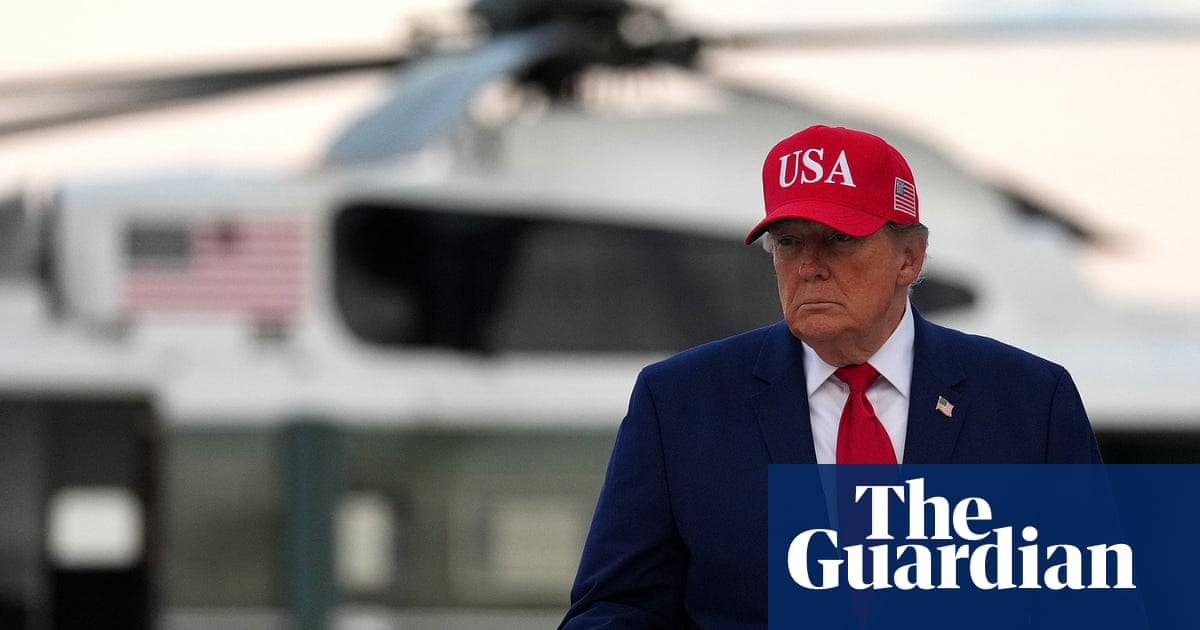
President Donald Trump has issued an executive order waiving a sweeping package of mandatory sanctions and tariffs against Russia just two days before they were scheduled to take effect. Invoking a national security waiver provision inside the newly enacted legislation, Trump halted measures targeting Moscow's energy sector, financial institutions, and petroleum export partners. The move marks an abrupt reversal of Congressional efforts to constrict the Kremlin's war finances[1].
The White House action deepens an increasingly acrimonious split between Washington and Kyiv. It arrives barely a week after the administration reached an agreement with Russian President Vladimir Putin to release millions of tons of Russian diesel into global markets, alongside sharp public broadsides from Trump suggesting Ukraine needs new leadership. In Kyiv, Ukrainian officials warned that easing economic pressure as winter approaches will only embolden Moscow to escalate attacks on civilian power infrastructure[3].
The Graham Act and the National Interest Waiver
Congress passed the Lindsey O. Graham Sanctioning Russia and Iran Act of 2026 last month with overwhelming bipartisan support, honoring the late South Carolina senator who died suddenly in July after crafting the measure. The legislation gave the White House 30 days to implement harsh penalties or submit a certification justifying an exemption. That deadline was set to expire on Sunday.
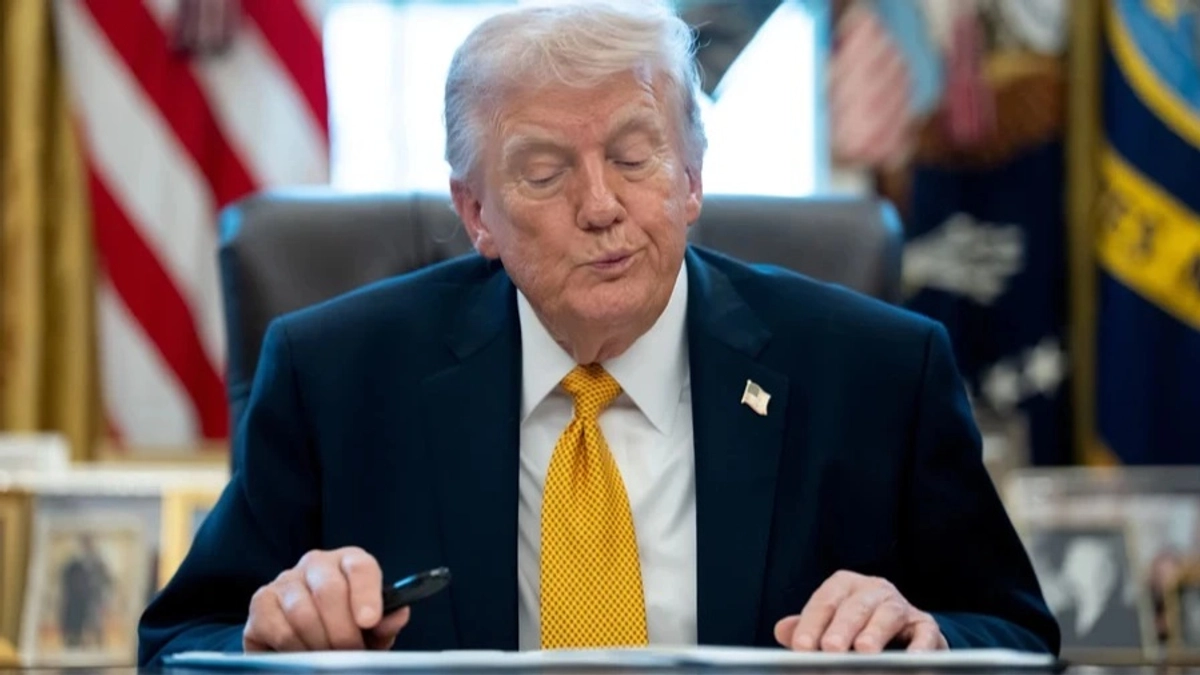
Late Friday night, Trump submitted a formal certification to Capitol Hill declaring the suspension vital to domestic priorities. In the text of the directive released by the administration, Trump stated that the reprieve served broader geopolitical and economic purposes[7]:
I have submitted to the Congress a certification that the issuance of such a waiver at this time is in the national interests of the United States.
Donald Trump, President of the United States
According to reporting by Bloomberg and the Financial Times, the executive order formally established the statutory penalties while simultaneously suspending their enforcement, preserving presidential discretion to activate them later. The suspended measures include punitive tariffs designed to dismantle Russia's export channels and isolate its maritime commerce.
| Graham Act Statutory Measure | Original Mandated Provision | Status Under Executive Order |
|---|---|---|
| Secondary Buyer Tariffs | Up to 100% tariffs on the top five importers of Russian crude oil and gas | Waived indefinitely pending review |
| Direct Import Duties | 500% tariffs on all Russian energy products entering the United States | Suspended under national interest waiver |
| Maritime Shadow Fleet | Sanctions on aging tankers and entities evading petroleum price caps | Enforcement paused |
| Financial Institutions | Penalties on Russian banks and state defense facilitators | Application frozen |
Diesel Prices, Midterms, and Friction Over Energy Ceasefires
The administration's reluctance to enact the sanctions stems directly from domestic energy anxieties ahead of competitive November congressional elections. Global petroleum and diesel prices have climbed sharply following geopolitical turbulence in the Middle East and ongoing Ukrainian drone strikes against Russian oil refineries. Trump explicitly warned Ukrainian President Volodymyr Zelenskyy to stop targeting Russian refining infrastructure, arguing the strikes drive up diesel costs for American motorists[12].
As CBS News and Fox Business reported, Trump sought an alternative route to stabilize domestic supplies by negotiating directly with Moscow. The resulting arrangement permits Russian refineries to deliver refined fuels to international markets. Russian presidential envoy Kirill Dmitriev celebrated the waiver on social media, describing the suspension of the Graham Act as an important and truly historic moment.
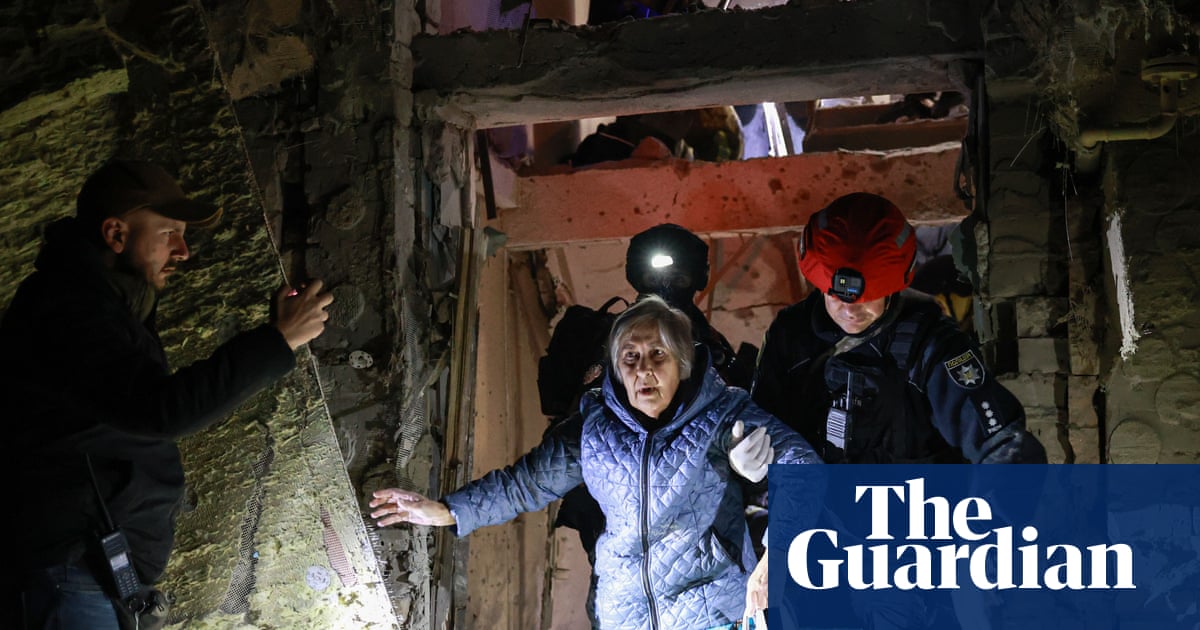
Compounding friction between the two capitals, Trump recently claimed on social media that both nations had agreed to a mutual energy infrastructure ceasefire. Ukrainian leadership denied any such binding compact. Instead, Ukraine suffered overnight barrages where Russian forces launched cruise missiles and more than 300 attack drones against more than 15 energy facilities nationwide, according to statements from Ukrainian defense officials[15].
Kyiv Sounds the Alarm as Alliances Falter
In Kyiv, Zelenskyy reacted with dismay, calling the waiver an economic lifeline for the Kremlin. During remarks reported by the Interfax-Ukraine news agency, the Ukrainian president expressed concern that Washington would continue unwinding sanctions incrementally.
Unfortunately, the lifting of sanctions will continue, and I believe that the 'diesel deal' is the first step.
Volodymyr Zelenskyy, President of Ukraine
Zelenskyy argued on social media that a sanctions blackout provides financial rewards for Putin and encourages the Kremlin to sustain its war effort. His public appeals urged lawmakers on Capitol Hill to organize support to revive the Graham Act. Even so, Zelenskyy took care to avoid severing personal ties with Trump entirely, telling reporters he still hopes the American president will use diplomatic weight to halt strikes against Ukraine's power grid[6].
Compounding Kyiv's challenges, Ukrainian operations face logistical disruptions. Zelenskyy disclosed that Starlink satellite terminals operating within Ukraine have experienced speed caps at velocities exceeding roughly 100 miles per hour. According to Ukrainian authorities, the restriction hampers high-speed interceptor drones deployed to destroy Russian Shahed drones. Ukrainian officials noted that the limitation does not appear to affect commercial Starlink terminals inside European Union nations, prompting European partners to explore non-American satellite alternatives.
Congressional Backlash and Diplomatic Uncertainty
On Capitol Hill, the sanctions pause provoked bipartisan friction. Lawmakers had viewed the Graham Act as an enduring tribute to the late senator and a binding mechanism to squeeze Russian revenues. Democratic leaders accused the White House of disregarding congressional intent, while defense-minded Republicans expressed discomfort over offering economic concessions to Moscow without reciprocal security guarantees for Ukraine[4].
Despite the anger, congressional aides acknowledge that legislative mechanisms to override an executive waiver face practical hurdles before the election recess. For now, Washington maintains that maintaining leverage over secondary energy buyers like China and India through suspended tariff authority grants the president diplomatic flexibility. Yet with Ukrainian cities facing winter power shortages and Russia monetizing fuel flows, the decision leaves Western policy fractured at a critical stage of the conflict.