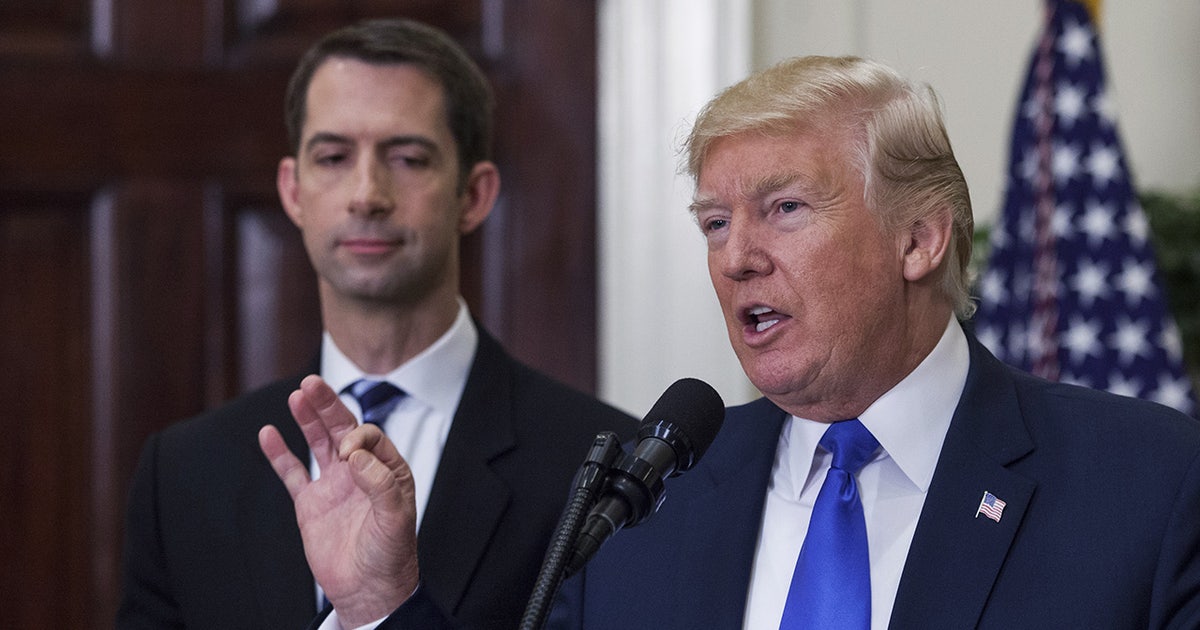
President Donald Trump dramatically escalated a public feud within his own party on Saturday morning by publishing what appeared to be the personal cellphone number of Arkansas Senator Tom Cotton on his social media platform, Truth Social. Trump urged his followers, specifically those in Arkansas, to call the Republican lawmaker directly and demand that he stop blocking federal legislation to make Daylight Saving Time permanent[3].
The high-profile confrontation comes just weeks before the November midterm elections, spotlighting a bizarre policy rift between the former president and a reliable conservative ally. While Republican leaders have sought to keep voter focus tightly fixed on economic inflation and gas prices, Trump used the weekend to wage a scorched-earth campaign over the nation's twice-yearly clock switch.
The Escalation on Truth Social
Trump singled out Cotton, the chairman of the Senate Intelligence Committee, in a series of agitated posts. The former president cast Cotton as the solitary obstacle preventing the Sunshine Protection Act from reaching the Senate floor. While calling the Arkansas lawmaker a friend, Trump nevertheless gave out Cotton's private digits and urged voters to bombard the line[7].
Everyone in Arkansas, a State I love, and won 3 times, the last by by 34 points, tell Tom to, GET IT DONE!
Donald Trump, Truth Social post
News organizations attempting to verify the post found immediate disruption. The Associated Press reported that calls placed to the Arkansas area-code number went unanswered, with an automated message indicating the voicemail inbox was completely full. Reuters reported that its calls routed straight to an unidentified voicemail box. The Daily Beast similarly noted that reporters were barred from leaving any messages because the inbox had collapsed under caller volume within minutes.
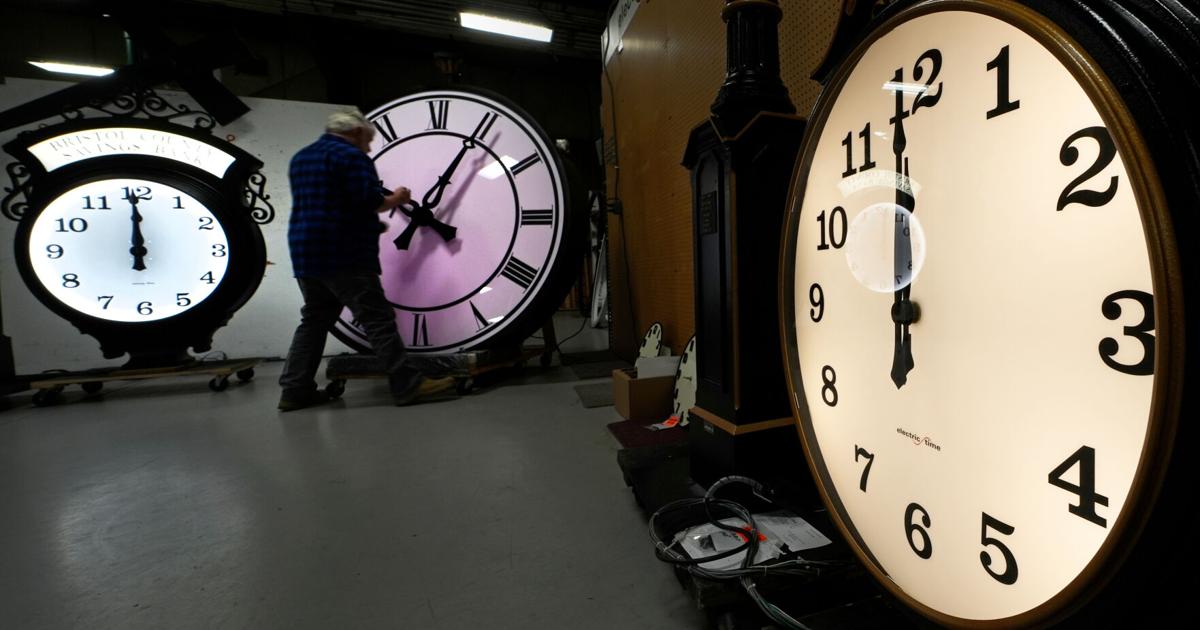
Trump later took to the microphones as he departed the White House for a campaign rally in Vandalia, Ohio, calling the current practice of adjusting clocks twice each year depressing and disruptive. He told reporters that running around for two days to change clocks discombobulates everyone, complaining that darker evenings rob golfers of afternoon daylight on the greens and hurt outdoor sports. To reinforce his argument, Trump posted an endorsement letter from Brian Rolapp, the chief executive of the PGA Tour, who argued that later sunsets would provide a substantial boost to the golf industry[3].
Cotton Rebuffs Pressure Over Morning Safety
Cotton did not capitulate to the online blitz. Instead, the Arkansas senator took to X, formerly known as Twitter, on Saturday afternoon to reiterate his unbending opposition to permanent Daylight Saving Time. Cotton made clear that while everyone dislikes the mechanical hassle of setting clocks back and forth, history demonstrates that permanent daylight time carries severe unintended consequences.
Arkansans don't want their kids going to school in the pitch dark, and I'll always put Arkansas first.
Sen. Tom Cotton, statement on X
Cotton reminded supporters that the federal government previously attempted year-round Daylight Saving Time during the 1973 to 1974 energy crisis. Congress enacted the experiment with broad initial approval, only to repeal it months later after nationwide public outrage erupted when schoolchildren were struck by vehicles during dark, frigid winter mornings. Under permanent daylight time, sunrise would not occur until after 8:30 a.m. or nearly 9:00 a.m. across wide swaths of the American interior during December and January[11].
A Deeply Divided Congress and Capitol Hill Realities
The legislative vehicle driving the clash is the Sunshine Protection Act, which cleared the House of Representatives in July by an overwhelming vote of 308 to 117. Despite strong bipartisan backing in the lower chamber, the measure ran into immediate resistance in the Senate. While Trump asserted that Cotton is solely responsible for shelving the bill, opposition in the upper chamber runs far broader than one senator.
| Policy Position | Key Proponents | Primary Arguments |
|---|---|---|
| Permanent Daylight Saving Time | Donald Trump, PGA Tour, commercial retail lobbies | Later afternoon daylight reduces evening crime, boosts recreation, and stops clock adjustments. |
| Permanent Standard Time | Sleep researchers, medical bodies, safety advocates | Aligns body clocks with the solar cycle; prevents hazardous dark winter morning commutes. |
| Status Quo (Twice-Yearly Switch) | Traditionalists, regional transportation officials | Preserves moderate morning sunrise in winter while maximizing summer leisure hours. |
Other Republican senators have voiced frank skepticism about bringing the bill forward. Senator John Kennedy of Louisiana remarked that the measure was as dead as disco, telling reporters he doubted Senate leaders would dedicate scarce floor time to the proposal. The current legislative calendar makes passage even more improbable, as the Senate is effectively recessed on campaign duty until after the November elections[3].
Midterm Politics and the Return of Doxing Tactics
Trump's tactic of weaponizing personal contact details against political adversaries is not without precedent. During the 2016 Republican presidential primary race, Trump famously stood before cameras and recited the personal cellphone number of South Carolina Senator Lindsey Graham, instructing crowds to dial him up. Graham later filmed a humorous video destroying his flip phone in response, though the episode cemented Trump's willingness to tear up traditional decorum.
Yet targeting Cotton represents a sharper risk. Cotton chairs the Senate Intelligence Committee and ranks among the most influential national security voices in the Republican caucus. Unlike moderate Republicans who occasionally cross party lines, Cotton has consistently aligned with Trump's conservative agenda on judicial nominations, trade policy, and border security[3].
GOP strategists have privately expressed bafflement that Trump chose to expend political capital on Daylight Saving Time during the final sprint toward the midterms. With critical races on the line in Ohio, Texas, and swing states across the map, senior Republicans would far prefer their standard-bearer to focus his microphone on economic headwinds and administrative accountability. Trump, however, showed little interest in changing course, later posting another demand on Saturday evening telling Cotton to hand Republicans a victory and just take the win.