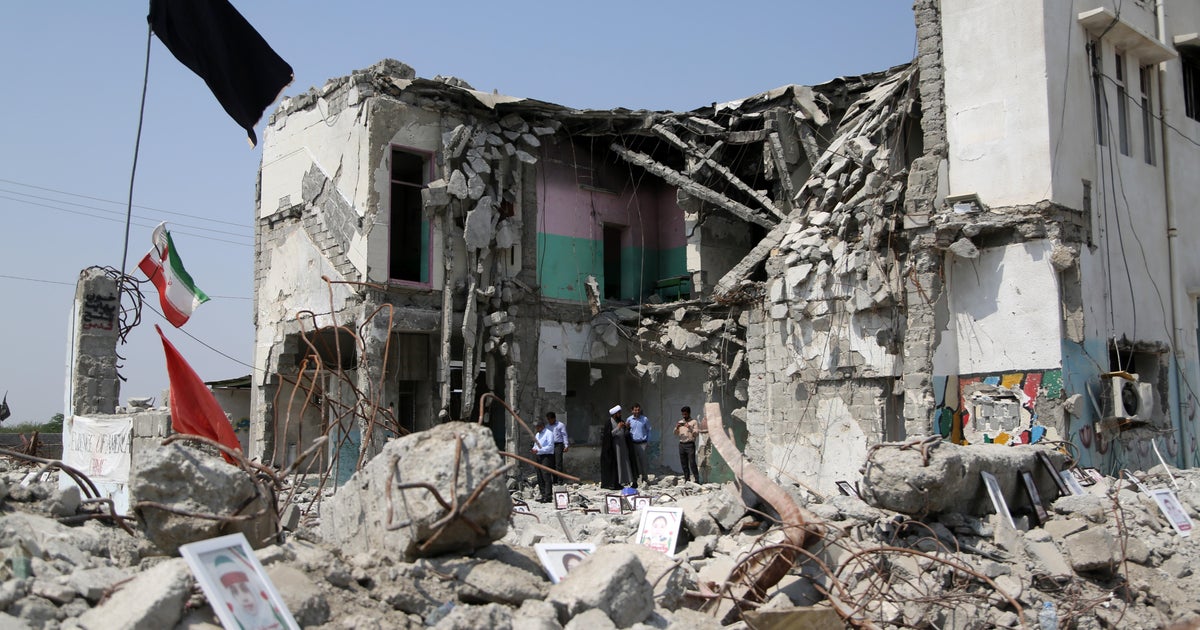
Independent human rights investigators mandated by the United Nations reported on Thursday that there are reasonable grounds to believe the United States committed war crimes during its military campaign against Iran. The findings center on two deadly February airstrikes that hit a clearly marked girls' primary school and a municipal sports facility, killing at least 178 civilians, predominantly children and women[3] [4].
The report from the Independent International Fact-Finding Mission on Iran, delivered to the UN Human Rights Council in Geneva, lands as the war passes the six-month mark. The assessment presents an unsparing accounting of civilian suffering on both fronts: it charges American forces with carrying out indiscriminate missile bombardments while simultaneously documenting crimes against humanity committed by Iranian security authorities during widespread, lethal crackdowns on anti-government demonstrators.
Devastation in Minab and Lamerd
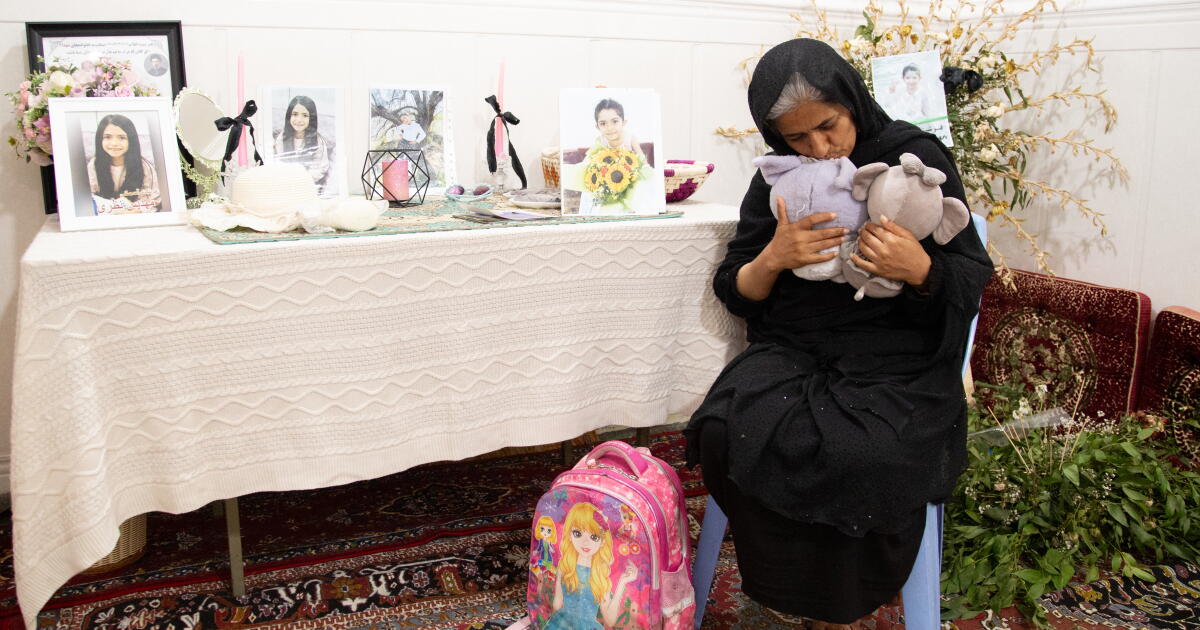
The primary focus of the investigators' war crimes determination rests on operations conducted during the initial wave of United States and Israeli air attacks on February 28. According to an investigation by The Associated Press, at least one American Tomahawk cruise missile struck the Shajareh Tayyebeh Primary School in the southern city of Minab. Iranian health officials and state media reported that approximately 170 people died at the site, most of them schoolgirls between the ages of 7 and 12.
The fact-finding team concluded that the school was a clearly identifiable civilian structure. In an official statement, the panel emphasized that international humanitarian law strictly forbids attacks launched without adequate verification of a target's military character[9]:
Following the United States and Israeli attacks on 28 February, the mission found reasonable grounds to believe the United States committed the war crime of launching indiscriminate attacks resulting in the loss of life or injury to civilians or damage to civilian objects.
UN Independent International Fact-Finding Mission on Iran
A second incident scrutinized in the 18-page document occurred in the southern city of Lamerd. In that strike, precision missiles dispersed thousands of tungsten pellets across a public sports complex and neighboring residential blocks, killing 22 civilians. The weapon system showered dense urban quarters with anti-personnel fragments, which the mission highlighted as indicative of indiscriminate force in populated areas. Beyond the February attacks, human rights monitor JURIST noted that investigators are reviewing subsequent summer strikes in Hormozgan province, including a July blast on a home in Qeshm and a September strike on a wedding gathering in Kuhestak.
Dual Accountability and Crimes Against Humanity
While the findings against American forces represent an unusual UN panel determination involving direct US combat operations, the report directed severe criticism toward Tehran. Jurist Sara Hossain of Bangladesh, who chairs the mission established by the Human Rights Council in 2022, detailed a pattern of state violence inside Iran that investigators say meets the threshold of crimes against humanity[10].
According to Anadolu, the report documented that the Iranian government's suppression of major domestic demonstrations in late 2025 and early 2026 reached an unprecedented escalation. Iranian security forces engaged in mass killings, arbitrary detentions, and torture on what the panel described as a staggering scale. The mission noted that the regime imposed severe nationwide internet and telecommunications blackouts to mask abuses and silence independent reporting[7].
As the mission summarized in Geneva, ordinary Iranian civilians remain trapped between state repression at home and foreign military bombardments from abroad. Mission expert Max du Plessis stated that repeated aerial attacks inflicting heavy civilian tolls raise fundamental questions regarding whether attacking parties are respecting legal duties to take all feasible precautions.

Washington Pushback and Intelligence Deficits
The White House swiftly rejected the panel's conclusions. White House spokeswoman Anna Kelly released a statement dismissing the council's credibility, asserting that the UN Human Rights Council has accomplished nothing for human rights while spouting unserious nonsense for decades. Kelly declared that the only party in the conflict committing war crimes was the Iranian government, pointing to state terror, strikes across neighboring countries, and the killing of US personnel[6].
Yet internal assessments within the American defense establishment reveal lingering ambiguity. CBS News reported that a preliminary United States intelligence review conceded Washington was likely responsible for the strike on the Minab school. Officials briefed on that inquiry suggested the attack was not intentional, pointing instead to outdated targeting intelligence that erroneously classified the compound as an active installation for the Islamic Revolutionary Guard Corps.
Pentagon officials have maintained that a formal military inquiry into the incident remains open. The Department of Defense has declined to comment on the outside findings published by the United Nations while its internal review proceeds. The US military has historically maintained that it never deliberately targets civilian infrastructure, a position reiterated by Secretary of State Marco Rubio and Defense Secretary Pete Hegseth during earlier congressional and media inquiries[11].
Diplomatic Ripples at the Half-Year Mark
The release of the UN findings coincides with delicate diplomacy in New York. Despite the active conflict and the bitter exchange over the Geneva report, the United States government decided to allow an Iranian delegation to enter the country for high-level UN General Assembly sessions. The BBC reported that Iranian President Masoud Pezeshkian and Foreign Minister Abbas Araghchi secured travel clearances to attend the diplomatic gathering.
The arrival of Iranian leadership on American soil places the findings of the fact-finding mission squarely into bilateral and multilateral maneuvering. Though the mission lacks executive enforcement powers and its conclusions are non-binding, experts emphasize that the documented evidence could serve as material for future universal jurisdiction cases or prosecutions in international tribunals[7].
With regional hostilities now past their sixth month, human rights advocates and international jurists argue that establishing transparency around strikes on civilian targets is vital. Whether the Pentagon's internal probe ever yields public disciplinary action or acknowledgment remains one of the conflict's central unanswered questions, even as the graves of dozens of schoolchildren in Minab keep the legal controversy alive.
Video