
Brazil's presidential election is headed to a fiercely contested runoff on October 25 after right-wing Senator Flávio Bolsonaro defied polling forecasts to finish ahead of incumbent President Luiz Inácio Lula da Silva in Sunday's first round of voting. Wit[1] [2]h neither candidate clearing the required 50 percent threshold for an outright victory, Latin America's largest democracy now faces a tense three-week sprint that pits the legacy of the Workers' Party against a resurgent Bolsonarista movement.
According to official returns published by Brazil's Superior Electoral Court, Flávio Bolsonaro took roughly 47 percent of the valid vote, tallying over 56 million ballots. Lula, seeking an unprecedented fourth non-consecutive term at age 80, finished second with approximately 45 percent, representing nearly 54 million votes. The outcome delivered a major political shock to the left, which had entered the weekend hopeful of a decisive early victory.
An Upset Built on Polarized Defiance
The first-round outcome represents an extraordinary political comeback for the Bolsonaro dynasty. Flávio Bolsonaro, the 45-year-old eldest son of former president Jair Bolsonaro, entered the race after his father was disqualified from running and sentenced to more than 27 years in prison for his role in plotting a coup attempt following his 2022 loss to Lula. Handp[1]icked by his father to lead the right-wing ticket, Flávio turned the campaign into a referendum on the current administration's record.
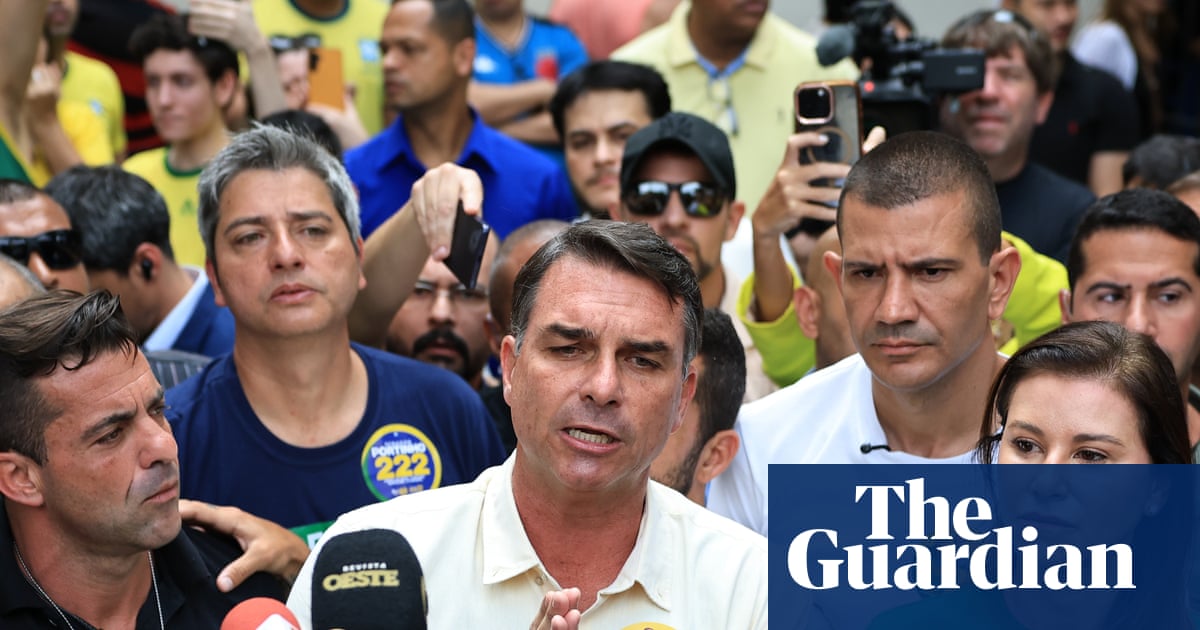
Speaking to journalists and crowds of supporters gathered outside his residence in Brasília late Sunday, Flávio framed the vote as a clear rejection of the status quo.
The word is change. Brazil can't take it anymore. The era of the Workers' Party is hereby over, leaving behind a record of hopelessness.
Flávio Bolsonaro, Brazilian Senator and presidential candidate
In São Paulo, Lula acknowledged the difficulty of the evening, telling supporters the result was unexpected after internal polling had projected a possible first-round win. However, t[6]he veteran leader struck an combative tone about the coming head-to-head matchup, remarking that he thrives in knockout stages and that a completely new campaign begins immediately.
First-Round Election Results
The final tallies verified by electoral authorities demonstrate how consolidated the top two contenders were, leaving third-party alternatives with almost no room to breathe. Minor conservative and centrist figures captured less than 8 percent of the national total combined.
| Candidate | Party Alliance | Valid Vote Share | Total Ballots |
|---|---|---|---|
| Flávio Bolsonaro | Liberal Party (PL) | 47.07% | 56.1 million |
| Luiz Inácio Lula da Silva | Workers' Party (PT) / FE Brasil | 45.12% | 53.8 million |
| Renan Santos | Missão | 2.20% | 2.6 million |
| Ronaldo Caiado | Social Democratic Party (PSD) | 2.10% | 2.5 million |
| Others / Minor Candidates | Various | 3.51% | 4.2 million |
As Courthouse News Service reported, voter participation was substantial, with roughly 124.5 million citizens casting ballots out of 158.7 million registered voters, leaving an abstention rate hovering near 21 percent.
The Conservative Surge Across Congress
Beyond the presidential contest, Sunday was marked by a decisive wave of conservative victories in legislative and state races. The Guardian [4]reported that candidates aligned with the Bolsonaro family captured key positions across Brazil, cementing right-wing dominance over the National Congress.
Members of the immediate Bolsonaro family achieved significant personal victories:
- Michelle Bolsonaro, the former first lady, won a seat representing the Federal District in the Federal Senate.
- [2]ong>Carlos Bolsonaro, Jair Bolsonaro's second son, was also elected to the Federal Senate.
- Jair Renan Bolsonaro, the former president's youngest son, secured a seat in the lower Chamber of Deputies.
- Tarcísio de Freitas, a key Bolsonaro ally and former infrastructure minister, won re-election as governor of São Paulo, Brazil's economic heartland.
Right-leaning and conservative parties won 34 of the 54 Senate seats contested on Sunday, according to legislative tallies. Regardless of who wins the presidency on October 25, the incoming executive will face an entrenched conservative majority in Congress, placing severe constraints on any progressive legislative agenda.
Global Repercussions and Runoff Dynamics
The runoff outcome will carry profound implications for world trade, climate diplomacy, and hemispheric alliances. During his current term, Lula restored Brazil's environmental enforcement in the Amazon basin, worked to preserve multilateral institutions, and expanded trade cooperation with China. In contrast, Fl[11]ávio Bolsonaro has aligned himself closely with conservative movements abroad, including United States President Donald Trump.
Reporting by Reuters noted that Flávio Bolsonaro benefited from widespread anti-Workers' Party protest votes, driven by persistent public anxiety regarding the cost of living and sluggish economic expansion. Lula's campaign h[7]as pointed to foreign pressure, accusing external actors of trying to tip the scales against his administration through targeted tariffs and political rhetoric.
Analysts cited by Al Jazeera observed that Flávio Bolsonaro enters the second round with structural momentum, because the candidates who finished in third, fourth, and fifth places represent right-of-center parties whose constituents are far more inclined to back Bolsonaro over Lula. Yet the race remains statistically within reach for Lula, who must persuade disaffected moderates and mobilize voters who stayed home in the first round to secure another term.