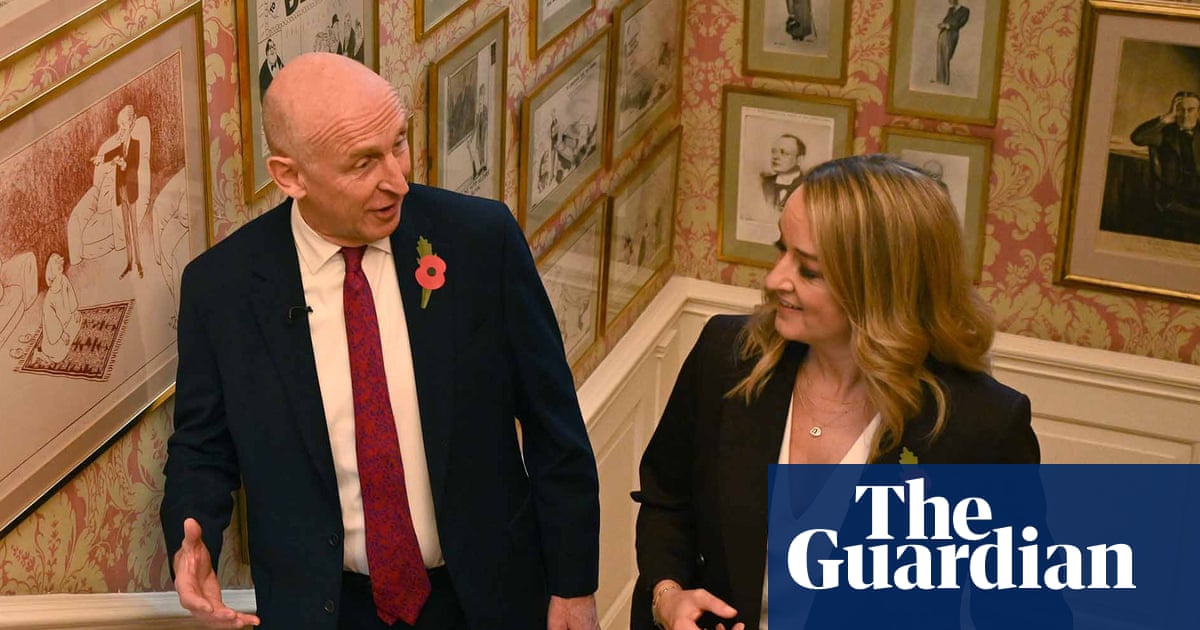
The Labour government's commitment to equalizing the minimum wage for younger workers has been thrown into serious doubt after Chancellor John Healey declined to guarantee that the pay gap for 18- to 20-year-olds would be closed before the next general election. The development marks a significant political retreat from a central 2024 manifesto promise intended to eradicate what the party previously labeled discriminatory age bands[2].
Speaking in broadcast interviews, the Chancellor indicated that the administration would proceed gradually rather than forcing rapid parity, citing concerns over potential labor market consequences. The hesitation follows a recent budget announcement that delivered a blanket 3.9 percent increase across statutory pay tiers, leaving the structural disparity between younger and older workers firmly intact.
The Budget Adjustments and Stalled Parity
Under the statutory changes set to take effect from April 2027, the National Living Wage for workers aged 21 and over is slated to rise to £13.21 an hour, while the National Minimum Wage for 18- to 20-year-olds will increase to £11.27. [3]Because both brackets received an identical 3.9 percent proportional lift, the cash gap between the two cohorts actually widened slightly, growing from £1.86 to £1.94 an hour.
In an interview with the BBC, John Healey defended the trajectory by emphasizing the necessity of balancing wage floors against employment opportunities. As the Guardian reported, the Chancellor framed the pacing around economic caution rather than abandonment of the principle.
There's no question about whether or if. It's a question of when. It's a question of how fast. And I want to make sure that we can look hard at those trade-offs that inevitably are there between jobs and wages.
John Healey, Chancellor
Government officials have pointed to independent advice from the Low Pay Commission, which recommended pausing on aggressive alignment. Mi[3]nisters are wrestling with broader labor market anxieties, including persistent youth unemployment figures that leave roughly one million young people aged 16 to 24 outside of work, education, or training.


Industry Pressures and Union Backlash
The cautious approach has drawn a fierce rebuke from organized labor, who argue that young adults face the exact same economic pressures as older colleagues. Unison general-secretary Andrea Egan criticized ministers for propagating a false choice between labor costs and employment generation. Similar condemnation came from TUC general-secretary Paul Nowak, who argued that young staff deserve a fair rate for the job rather than continued wage penalties.
Conversely, employer groups in retail, hospitality, and small business sectors have lobbied heavily against rapid equalization. Business representatives argue that successive above-inflation wage hikes alongside rising employer national insurance contributions make entry-level hiring economically risky for small enterprises. Bu[5]siness Secretary Jonathan Reynolds previously acknowledged these cross-currents, noting that while the overarching goal remains active, economic realities demand flexibility.