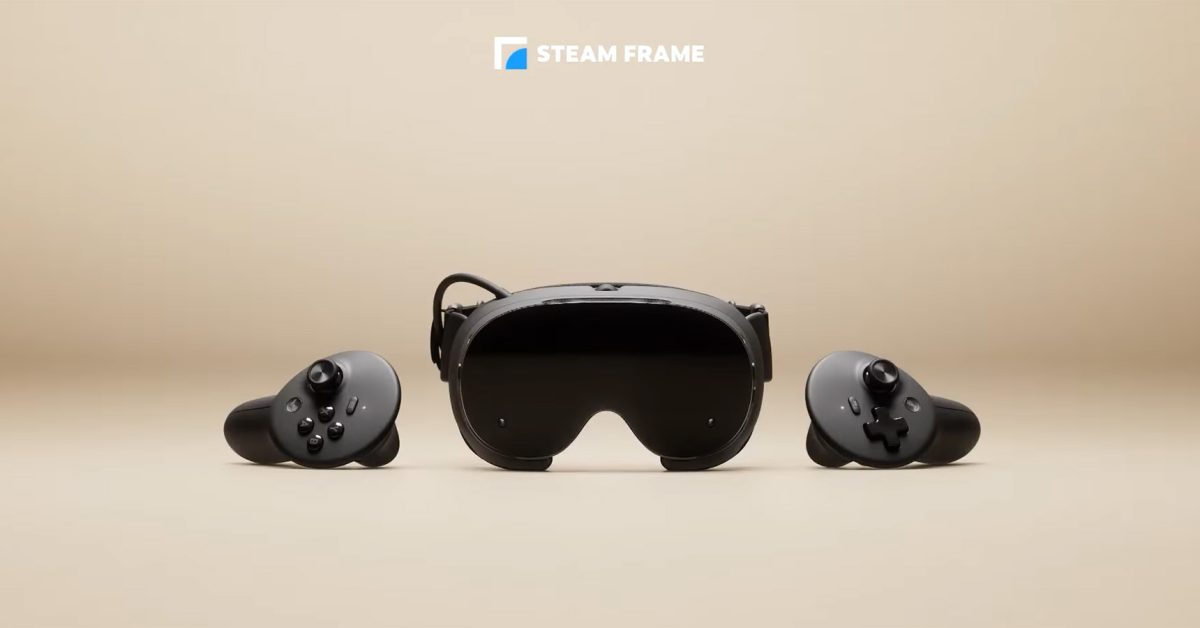
Valve has quietly published the source code for Lepton, an internal compatibility tool engineered to run native Android games directly on Linux-based systems and inside the Steam ecosystem. The release marks a major technical pivot for the Bellevue, Washington gaming company as it expands its software footprint beyond conventional desktop and handheld PC hardware[3].
First formally surfaced during the unveiling of the Steam Frame standalone headset, Lepton functions by executing games inside isolated containers while forwarding graphics calls directly to native Linux and Vulkan libraries. By opening up the repository, Valve gives developers and the broader open-source community free rein to inspect, adapt, and build upon a platform layer originally designed to import standalone virtual reality titles from mobile architectures.
Engineering a Lean Android Container for Linux
Rather than delivering a full Android emulation suite, Valve designed Lepton specifically as an execution environment for games. Technical documentation on the project GitLab repository explains that Lepton dispenses with background processes, multi-user permissions, and unnecessary system daemons to minimize computing overhead. Every application inside the container runs as the same user, and each game receives its own isolated instance[2].
Independent Linux outlet It's FOSS reported that Lepton is assembled from several foundational open-source efforts rather than constructed from scratch. Valve combined its custom glue code with elements from Waydroid, which provides the namespace containerization infrastructure, alongside base layers from LineageOS and the upstream Android Open Source Project (AOSP). Minor architectural dependencies also reference components from Anbox, Halium, and Hybris to bridge Android audio, input, and display pipelines.
According to licensing details outlined in the repository, the project operates under a split structure. The launcher tool that Steam calls to initiate an application uses the permissive MIT license, while the underlying custom container root filesystem carries a GPLv3 license due to the inherited open-source requirements of its container stack.
The Quest Connection and the Steam Frame Launch
The immediate catalyst behind Lepton is the hardware rollout of the Steam Frame, Valve's standalone VR headset powered by a Qualcomm Snapdragon processor. Unlike the x86-based Steam Deck handheld, the Steam Frame relies on an Arm64 architecture. That hardware configuration created an immediate content challenge: while the PC VR library is extensive, most standalone virtual reality software over the last six years was built natively for Meta Quest, which runs an operating system derived from Android[4] [8].
As technology site 9to5Google reported, developers have already begun leveraging the compatibility environment to bring Quest-targeted APKs to Valve's platform without having to rewrite underlying game engines. Valve updated its Steamworks publishing backend to streamline the process, allowing developers to designate Android as a supported platform and upload an APK directly as the executable payload[4].
Lepton is a tool for use with the Steam client which allows games which are exclusive to Android to run on the Linux operating system. Most users should use Lepton provided by the Steam Client itself. Lepton is intended to help game developers bring their VR Android games to the Steam Frame. Other use cases are possible, but were not the focus of development and may lack polish.
Valve developer documentation on GitLab

Valve's Three Pillars of Architecture Translation
The release of Lepton completes an ambitious software strategy that frees the Steam platform from dependence on a single operating system or processor architecture. For years, Valve relied on Proton, its compatibility layer built on Wine and DXVK, to translate Windows DirectX APIs into Vulkan for desktop Linux and the Steam Deck. To support Arm-based hardware, Valve began backing FEX, a fast user-mode emulator that converts x86 and x86-64 binary instructions into Arm64 instructions.
| Tool | Primary Function | Target Platforms | Core Tech Base |
|---|---|---|---|
| Proton | Translates Windows system APIs and DirectX to Linux | x86_64 PCs, Steam Deck | Wine, DXVK, VKD3D[4] |
| FEX | Translates x86 instruction sets to Arm64 architectures | Arm64 Linux, Steam Frame | Dynamic binary translation JIT |
| Lepton | Runs Android APKs inside containerized Linux runtime | Steam Frame, SteamOS Linux | Waydroid, LineageOS, AOSP[2] |
Analysis published by MLQ.ai noted that this multi-layered approach allows a single hardware device to handle wildly different software formats. A traditional PC VR title can run on the Steam Frame through Proton and FEX simultaneously, while a standalone mobile title can deploy directly through Lepton to achieve near-native performance.
Limitations and Community Potential
Despite the excitement surrounding the release, Valve has been explicit about the software's constraints. Lepton does not offer a general Android environment, nor does it include Google Play Services or proprietary Google APIs. Titles requiring Google Play integrity checks or specific anti-cheat mechanisms will fail without specialized workarounds[10].
Publications including How-To Geek have highlighted that while Lepton is optimized for standalone VR, the underlying code works on standard desktop Linux distributions and the Steam Deck. The publication observed that mobile studios interested in reaching PC audiences outside the Windows ecosystem could turn to Lepton as a frictionless deployment pipeline.
Historically, when Valve open-sources internal compatibility software, community developers step in to bridge remaining usability gaps. Much like Proton spawned popular community variations such as Proton-GE to patch proprietary codecs and fix edge-case games, open-source developers on repositories and forums have already begun exploring ways to turn Lepton into a versatile launcher for standard 2D mobile titles across the Linux desktop.
Video